

Have you ever found yourself lying awake at night with a racing heart, a restless mind, and no clear reason why? Or perhaps you’ve walked into a meeting or a crowded room and suddenly felt overwhelmed, tense, or even breathless? This is anxiety—not just a mental or emotional experience, but a whole-body response, deeply tied to the nervous system. To truly break free from anxiety, we need to go beyond surface-level stress tips and learn how our body remembers, responds, and eventually heals. Let’s learn about Anxiety and the Nervous System.
Why Anxiety Gets ‘Stuck’ in the Body
Anxiety is your body’s natural alarm system. It’s meant to alert you to danger, like a fire alarm that goes off when smoke is detected.
But in today’s world, the threats aren’t usually physical—they’re emotional, social, or psychological:
Deadlines. Social expectations. Notifications. Rejection. Uncertainty.
Your brain doesn’t always know the difference between real danger and perceived stress. So, your sympathetic nervous system goes into overdrive, activating the fight, flight, or freeze response. And when this system stays on too long without release, your body gets “stuck” in stress mode—tense muscles, shallow breathing, fatigue, even digestive issues.
This is why anxiety isn’t just “in your head.” It lives in your chest, your gut, your shoulders… and sometimes, it refuses to let go.
The Many Faces of Anxiety: How Life Roles Shape It
The way we experience anxiety depends on where we are in life and what we carry.
👩🎓 Teenagers
Navigating identity, peer pressure, academic stress, and the constant comparison of social media. Their nervous systems are still developing, making them more sensitive to emotional ups and downs.
💼 Working Professionals
Managing performance pressure, tight schedules, and never-ending notifications. Many face burnout from always needing to “do more” or prove themselves.
🏅 Athletes
Even peak performers deal with fear of failure, performance pressure, or injuries. The body may be trained for physical stress—but emotional stress still takes a toll.
👩👧 Parents & Caregivers
Constant alertness, decision fatigue, and emotional labor can make it hard for the nervous system to return to baseline. Many experience chronic tension, guilt, and overwhelm.
No matter your role, the nervous system holds onto every story—every deadline, rejection, worry, and unspoken emotion.
Finding Safety Again: Breath as Your Anchor
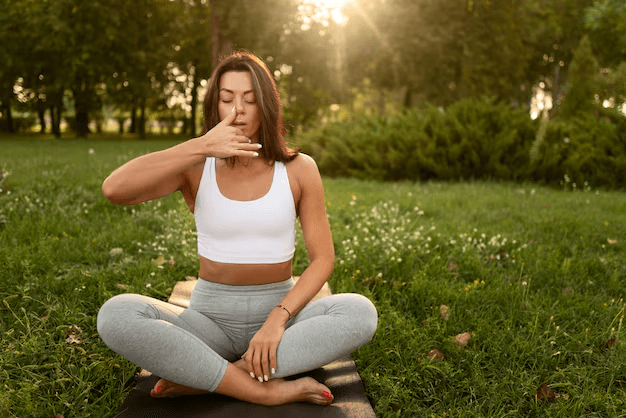
When anxiety overwhelms you, your breath becomes shallow and quick, reinforcing the sense of danger. But the moment you begin to breathe with intention, you send a signal to your body that you’re safe.
Try this:
🌟 1. Box Breathing (for high-stress moments)
Inhale for 4 seconds → Hold 4 → Exhale 4 → Hold 4
Repeat for 4 rounds. Perfect before meetings, calls, or exams.
🌟 2. 4-7-8 Breathing (to fall asleep or calm racing thoughts)
Inhale 4 → Hold 7 → Exhale 8
Repeat 3–5 times. This slows the heart rate and eases the nervous system into relaxation.
These techniques don’t just help you cope. They help you retrain your nervous system—to return to peace, more quickly and reliably.
Relevant blog to read: Breathing Techniques for Anxiety: 5 Proven Ways to Calm Your Mind
From Frantic to Grounded: Healing Through the Body
Sometimes words aren’t enough. When anxiety feels intense, body-based techniques can help bring you back to the present moment.
❄️ Cold Exposure (Shock your system into calm)
- Splash cold water on your face
- Place an ice pack on your neck or wrist
- Try a 30-second cold shower
This activates your vagus nerve, which plays a key role in calming your body.
🌱 Grounding Practices (Reconnect with the now)
- Take off your shoes and walk barefoot on grass
- Hold a stone, crystal, or any textured object
- Try the 5-4-3-2-1 technique:
Name 5 things you see, 4 you can feel, 3 you hear, 2 you smell, 1 you taste
These aren’t distractions—they’re interruptions to your anxiety loop. They help your nervous system switch gears from chaos to calm.
Daily Well-Being Practices for Long-Term Relief
Anxiety doesn’t disappear overnight. But with daily rituals, you can train your body to live in safety more often than fear.
Here are a few powerful habits:
- Gentle movement (like yoga or stretching) to discharge tension
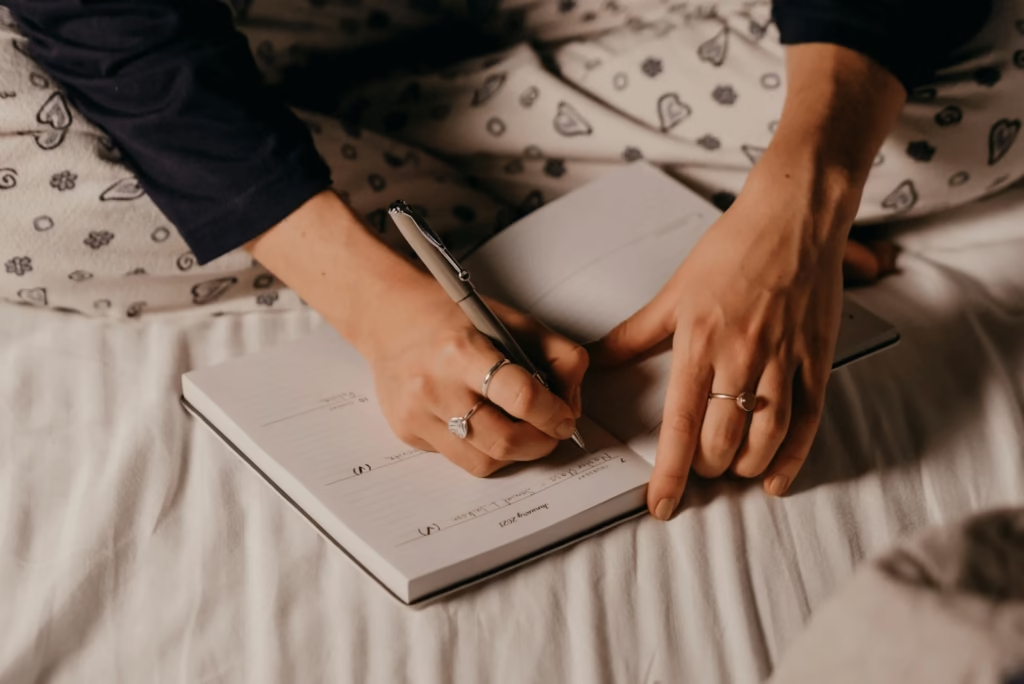
- Journaling to release mental clutter
- Progressive Muscle Relaxation: tense and release muscle groups to teach your body how to let go
- Digital detoxes: protect your nervous system from overstimulation
- Affirmations and self-talk: remind your nervous system you’re safe and capable
Healing is slow. But it’s also beautiful.
Relevant blog to read: The Ultimate Guide to a Well-being Routine: Nurturing Your Mind, Body, and Soul
Relevant blog to read: How to Start a Gratitude Journal: A Step-by-Step Guide
Final Thoughts: From Survival Mode to Safety
You are not broken.
Anxiety is not weakness—it’s your nervous system doing its best to keep you safe in an overstimulating world.
But you can teach it new patterns. You can create moments of pause, breath, and groundedness. You can soften the edges of anxiety with simple, powerful daily practices.
And most importantly—you don’t have to navigate this alone. Every breath you take with intention is a small act of freedom.
Frequently Asked Questions
Because your nervous system controls both emotional and physical reactions—when it’s stuck in stress mode, your body shows it through tension, racing heart, etc.
Yes, conscious breathing signals safety to your brain, helping regulate your stress response.
Try cold water on your face, grounding objects, or 4-7-8 breathing—it resets your system quickly.
It can be managed and significantly reduced. With practice and awareness, your nervous system can learn to recover faster and stay calmer.
Start small—just 5 minutes a day can create change. Over time, build a rhythm that feels sustainable and soothing.
Building Long-Term Nervous System Resilience
Calming anxiety and the nervous system in the moment is valuable, but true relief comes from teaching your body that it’s safe over and over again. Every time you respond to stress with a slow breath instead of a spiral, you’re strengthening the pathways that return you to calm. Resilience isn’t about never feeling anxious—it’s about recovering faster each time.
Small, repeatable practices compound into a steadier baseline:
- Keep a consistent sleep and wake time so your body knows what to expect.
- Move daily—walking, stretching, or gentle exercise discharges built-up tension.
- Limit inputs that spike your stress, including doom-scrolling and late-night screens.
- Name your emotions out loud, which signals safety to the brain’s alarm centre.
Supportive habits make regulation easier. A regular meditation for stress relief practice trains your body to downshift on command, and if your worry tends to centre on other people, our guides on social anxiety and how social media affects mental health can help you spot and ease common triggers.
Author’s note
Thank you for taking the time to focus on your well-being and for being your own cheerleader in this journey called life. I truly appreciate you for choosing to invest in yourself today, and I’m honored that you spent a part of your day here. Remember, every small step you take matters, and you’re doing an amazing job. Keep going—you’ve got this!




2 Comments