

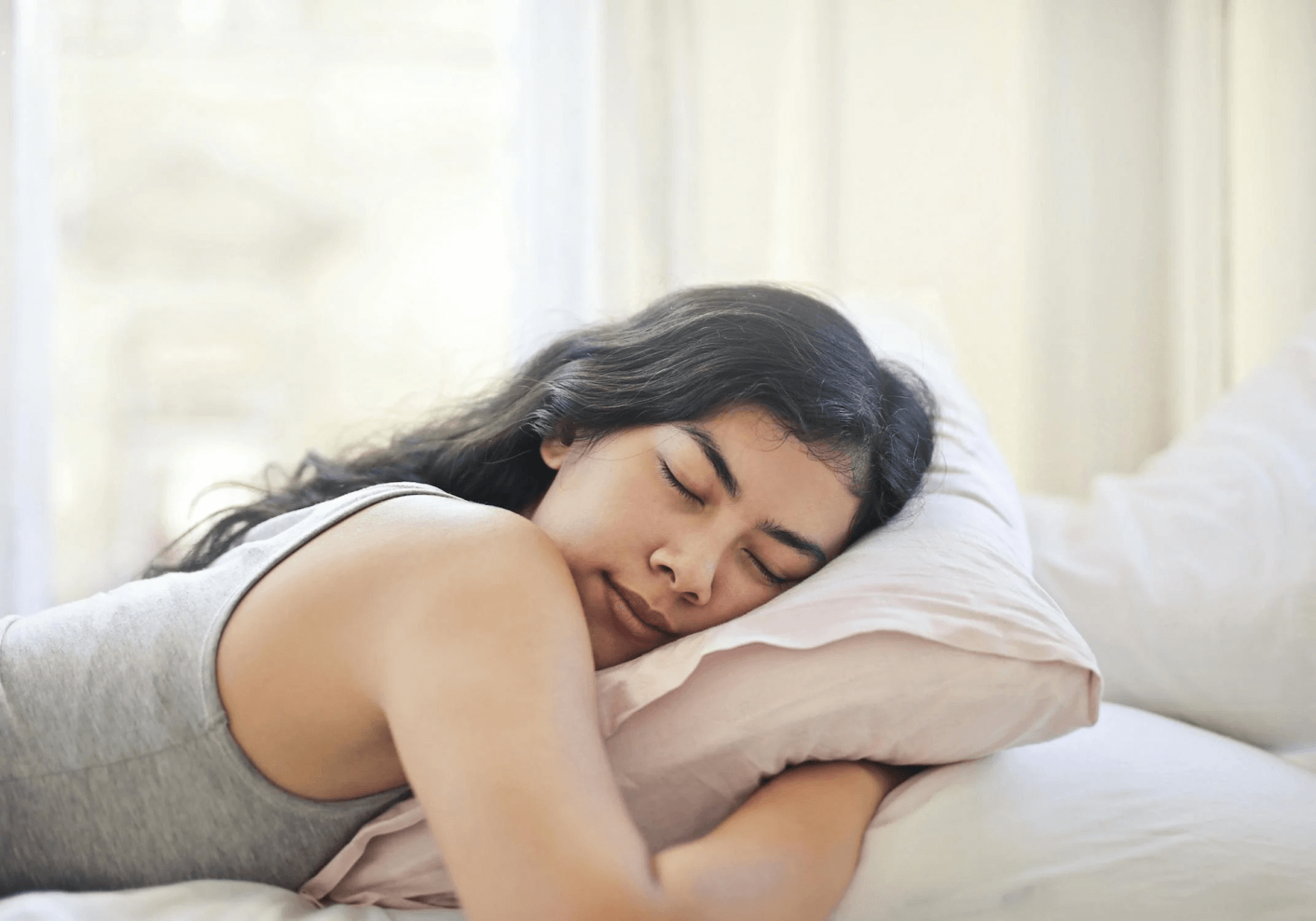
Are you struggling to unwind after a hectic day? Well, these are stressful times. Therefore, it’s necessary to channel your overwhelming thoughts into a relaxed state to unlock a more restful night. By focusing on your breath, you can allow your mind and body to enter a calm, restorative state, leading to renewed energy each morning.
With the right approach, you can calm the mind, reduce stress, and prepare your body for sound sleep. Imagine hitting the bed and releasing with just a few easy breathing techniques. Let us introduce you to some effective breathing exercises for sleep. Kickstart your journey to better sleep with mindfulness.
Relevant blog to read: Breathing Techniques for Anxiety: 5 Proven Ways to Calm Your Mind
Why Sleep Is So Important for Health
Adequate and sound sleep is important for maintaining overall health. It allows your body to recharge and heal as you sleep and get quality rest throughout the night.
Sleep supports:
- Cognitive function
- Mental clarity
- Emotional balance
- Physical recovery
Moreover, good-quality sleep repairs the immune system and boosts vitality.
As per statistics, 35% of all adults in the U.S. report sleeping for less than seven hours per night on average. Poor sleep or chronic conditions like insomnia can lead to impaired concentration, increased stress and vulnerability, severe mood swings, and anxiety and depression. Thankfully, breathing exercises for sleep, such as deep belly breathing, can improve the immune system and help you achieve deeper, better sleep.
The Science of Breathing and Sleep

Breathing and sleep play a vital role in healing the nervous system, specifically the parasympathetic system. It helps slow down physiological functions and prepares the body for relaxation, which further promotes deep sleep. By practicing breathing exercises for sleep, we can lower blood pressure and slow down the heart rate.
How does this happen? Deep breathing, particularly slow breathing, signals the brain to shift from “fight or flight” mode to reduced stress and tension. Breathing exercises to sleep, such as belly breathing or the 4-7-8 sleep breathing exercise allow the muscles to relax. Before bed, practice some breathing exercises for sleep, which can slow down the heart rate, quiet the mind, and ease the sympathetic nervous system.
Relevant blog to read: How to Get More Deep Sleep
How Breathing Exercises Aid Sleep
Breathing exercises enable reduced anxiety, calm racing thoughts, and facilitate healthy mental well-being. Sleep breathing exercises such as the 4-7-8 technique activate the parasympathetic nervous system, leading to a tranquil state. This not only helps promote restful sleep but also helps manage stress and anxiety. It also reduces cortisol, which is the body’s primary stress hormone.
Structured breathing exercises for sleep also lead to reduced sleep onset latency (the time it takes to fall asleep) for more restful, undisturbed sleep. Thereby, diminishing racing thoughts results in deeper, restorative rest.
As per a survey, diaphragmatic breathing, i.e., breathing slowly and deeply using the diaphragm muscle (lifting the abdomen gently to expand the chest), reduces anxiety levels and promotes relaxation. The shift in parasympathetic dominance caused by vagal stimulation makes this method better for relaxing both the body and the mind.
Best Breathing Exercises for Falling Asleep
Below are some effective breathing exercise for sleep to alleviate insomnia and disturbed sleep:
- Progressive Relaxation Breathing
- This technique combines deep breathing with muscle relaxation to release trapped stress and tension.
- To practice progressive relaxation breathing, lie down comfortably on your bed, take slow, deep breaths, and focus on each muscle group.
- Start from your feet and work your way up to calves, thighs, abdomen, arms, chest, shoulders, and face muscles. Relax each area and release stress, thereby promoting peaceful sleep.
- Resonance Breathing: Resonance breathing, aka coherent breathing, focuses on balancing the breath with equal inhales and exhales. Therefore, stabilizing the nervous system makes it a powerful tool for relaxation. It promotes a state of calm and reduces anxiety, ultimately improving sleep quality. You can practice this sleep breathing exercise with a count of 5-6 seconds for both inhalation and exhalation.
- Humming Bee Breath (Bhramari): Humming Bee Breath, also known as Bhramari, is a sleep breathing exercise that involves the calming sound of humming to ease the mind and repair cells.
- To practice this breathing exercise to sleep, sit or lie down comfortably and take a deep breath in.
- As you exhale, gently press your lips together and make a soft humming sound, such as the gentle buzzing of a bee.
- The wonderful technique creates a serene atmosphere, slows down the mind and stimulates the vagus nerve, resulting in a relaxed mind.
Relevant blog to read: 4-7-8 Breathing Technique: Your Guide to Instant Relaxation
How to Incorporate Breathing Exercises Into Your Bedtime Routine
To maximize the effectiveness of sleep breathing exercise, be mindful of the following practices:
- Consistency is key
Consistency plays a crucial role when practicing breathing exercises for sleep to relax the nervous system.

- Build a routine
For best results, practice them at the same time each night. Thereby, creating a routine that allows the body to wind down after a hectic day.
- Create a calm environment
To incorporate breathing exercises into your daily routine, it is essential to create a calm, comfortable and quiet environment for sleep.
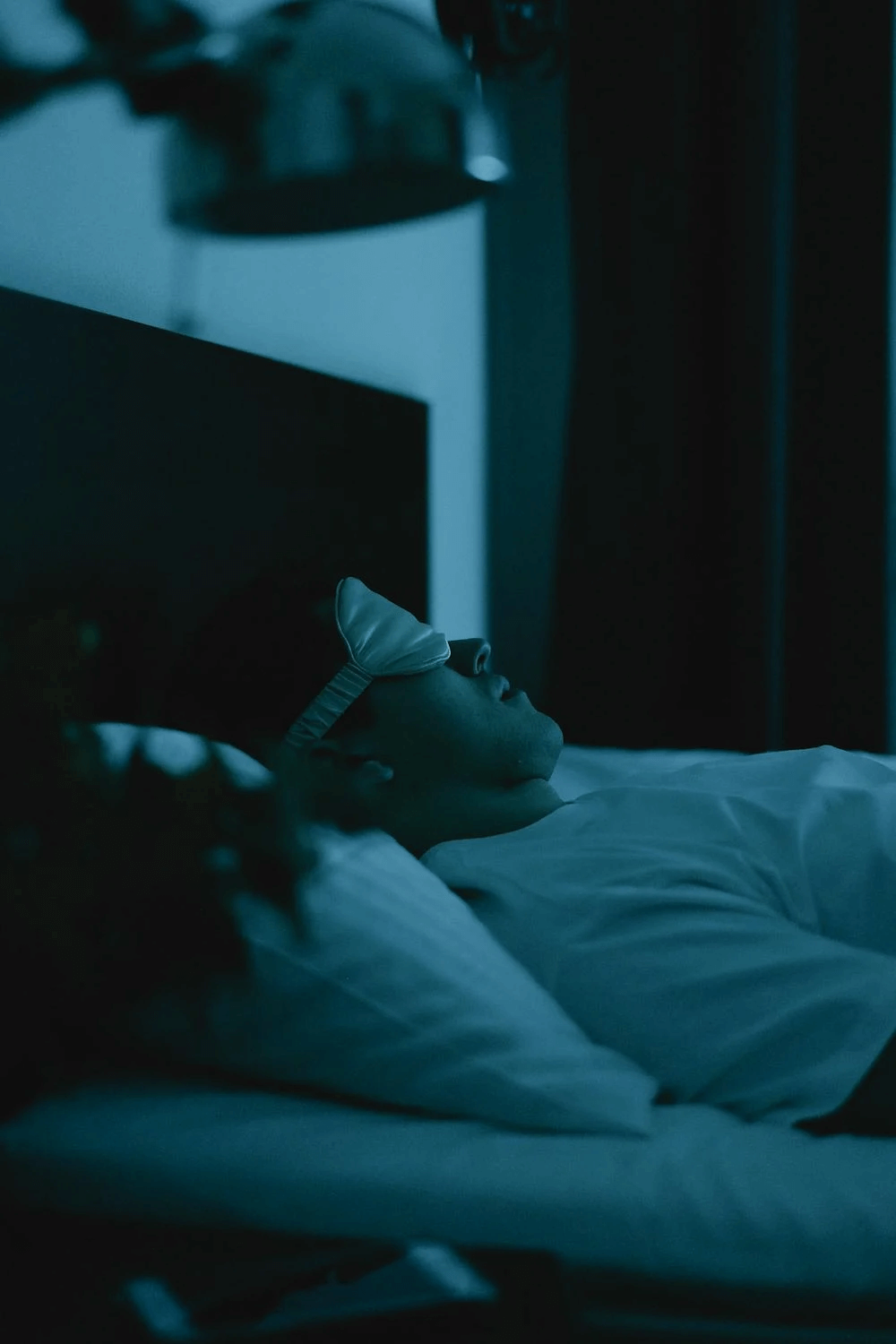
💡Pro tip: Start with dimming lights, adjusting room temperature and removing distractions, such as replacing blue-ray lights from electronic devices with soft, calming music.
In a serene setting, you can peacefully transition into a restful sleep. It also schedules the body’s internal clock or circadian rhythm, which leads to reduced stress hormones and relaxation.
Final thoughts:
Breathing exercises act as an effective tool to improve sleep quality and promote relaxation. It lowers stress levels, calms the nervous system and prepares the body for restorative sleep that heals the mind, body and soul. By incorporating breathing exercises for sleep such as progressive relaxation, resonance breathing, 4-7-8 breathing and humming bee breath, you can leverage multiple benefits, including improved focus and mindfulness.
For professional guidance, you can download the app My Well-being to access a sleep-breathing exercise program. These breathing exercises for sleep are designed to grant immediate relaxation and create a calming bedtime routine for complete rejuvenation.
Relevant blog to read: The Power of Breath: How does breathing help one relax
Frequently Asked Questions
Most people notice the effects of breathing exercises for sleep within a week or two. The immediate results include reduced stress and anxiety and alleviated signs of depression and chronic insomnia.
It is suggested to practice sleep breathing exercises approximately 20–30 minutes before you hit the bed. This allows your mind and body to wind down naturally and enjoy a restful, peaceful sleep.
Yes, breathing exercises to sleep offer many benefits for those struggling with sleep disorders, such as insomnia. Deep breathing allows the parasympathetic nervous system to reduce stress and anxiety and enable your ability to relax and sleep peacefully.
Yes, consistency plays a key role in improving your sleep quality. While you may notice immediate results such as mind relaxation, reduced stress and anxiety, and improved cognitive function, it will take regular practice to experience long-term improvements in sleep quality.
Extra Tips to Get the Most From Breathing Exercises for Sleep
Breathing exercises for sleep work best when they are part of a wider wind-down routine. A few small adjustments can help these techniques calm your nervous system faster and carry you into deeper, more restful sleep:
- Keep your bedroom cool and dark. A calm environment helps your body register that it is time to rest, making each slow breath more effective.
- Put screens away early. Blue light delays melatonin, so swap late scrolling for a few rounds of slow, deep breathing.
- Stay consistent. Practising at the same time each night trains your body to associate the technique with sleep.
- Do not force it. If your mind wanders, gently return to the breath without judgment, that softness is part of the practice.
- Support deeper rest. Combine breathing with these habits for getting more deep sleep to feel truly restored.
If racing thoughts often keep you awake, pairing your breathing practice with a calming mind routine can help. Explore mindfulness meditation for sleep to quiet mental chatter and drift off more easily.
Listen to our Podcast
Also available on Youtube and Apple Podcast.
Sources & Further Reading
Author’s note
Thank you for taking the time to focus on your well-being and for being your own cheerleader in this journey called life. I truly appreciate you for choosing to invest in yourself today, and I’m honored that you spent a part of your day here. Remember, every small step you take matters, and you’re doing an amazing job. Keep going—you’ve got this!



I got this web page from my pal who told me on the topic of this site and at the moment this time I am visiting this web page and reading very informative articles or reviews at this place.
Thank you so much for stopping by, and a big thanks to your friend for sharing our blog with you! 😊 We’re so glad you’re finding the articles informative and helpful. If there’s a specific topic you’d love to see covered or something you’re working on in your well-being journey, feel free to let us know — we’re here for you! 💛
— The My Well-being Team