

Your breath is more powerful than you think, especially when it comes to managing anxiety. Struggling with anxiety can leave you feeling overwhelmed, but breathing techniques for anxiety offer a simple, natural remedy. By learning the right techniques, you can regain control and calm your mind in moments of panic.
In this article, we’ll explore five proven breathing exercises that can help reduce anxiety and stress. So, are you ready to reclaim your calm? Let’s explore these transformative breathing exercises and take the first step toward lasting relief.
Relevant blog to read: The Power of Breath: How does breathing help one relax
Understanding Anxiety and Its Impact on Breathing
Anxiety affects not only your mind but also your body, especially your breathing patterns. Here’s how anxiety can alter your breath and how you can use this to your advantage.

How Anxiety Alters Breathing Patterns
- Rapid, Shallow Breathing: Anxiety triggers your body’s “fight-or-flight” response, causing rapid, shallow breaths. This increases feelings of panic and stress.
- Chest Breathing: When anxious, you may start breathing from your chest instead of your diaphragm. This shallow breathing can escalate anxiety and cause hyperventilation.
- Cycle of Panic: The faster you breathe, the more anxious you feel, which leads to even faster breathing. This cycle amplifies panic symptoms.
Relevant blog to read: Do I Have Social Anxiety? Signs, Symptoms, and How to Overcome It
The Importance of Breath in Managing Anxiety
Breathing deeply and slowly can help activate the parasympathetic nervous system, which promotes relaxation. Controlled breathing counteracts the physical effects of anxiety by:
- Regulating Your Breath: Proper breathing slows down your body’s fight-or-flight response, helping you regain control.
- Calming the Body: Breathing exercises can help you feel grounded and reduce the physical symptoms of anxiety.
Mindful Breathing for Anxiety Management
- Conscious Breathing: By focusing on each breath and slowing it down, you signal to your body that it’s safe to relax.
- Breaking the Cycle: Mindful breathing breaks the cycle of shallow, rapid breathing, making it easier to calm your mind and body.
- Simple & Effective: Mindful breathing is an easy, accessible technique that can be done anytime, anywhere.
Breathing Exercises for Anxiety Attacks
- Diaphragmatic Breathing: Deep belly breaths that engage the diaphragm can help regulate your breath and reduce panic during an anxiety attack.
- Calming Breathwork: Focused, slow breathing exercises help you relax by slowing your heart rate and calming your nervous system.
Relevant blog to read: Best Breathing Exercises for Sleep and Relaxation: Unlock Deeper Rest
Breathing to Reduce Panic
- Controlled Breathing: Focusing on long, deep inhales and exhales helps reduce the intensity of panic attacks by regulating oxygen levels in your body.
- Effective in Minutes: These techniques can quickly reduce the physical sensations of panic, bringing your body and mind back to a calm state.
How Breath Helps with Anxiety Symptoms
- Activates Calm: Proper breathing triggers the parasympathetic nervous system, countering stress.
- Restores Balance: It can help bring your body back to a relaxed state, balancing both physical and mental tension.
5 Proven Breathing Techniques to Calm Anxiety
When anxiety strikes, proper breathing can be one of the quickest and most effective ways to regain control. Five proven breathing techniques for anxiety that help you calm your mind and body are as follows:
1. Diaphragmatic Breathing (Belly Breathing)
What It Is: Diaphragmatic breathing involves breathing deeply into your belly, not your chest, to engage your diaphragm. This technique helps to slow your heart rate and activate the relaxation response in your body.
How It Helps:
- Reduces Panic: Slowing your breathing helps counteract rapid, shallow breaths that occur during an anxiety attack.
- Promotes Calm: Encourages the body to switch from “fight-or-flight” mode to a more relaxed state.
How to Do It:
- Sit or lie down comfortably.
- Place one hand on your chest and the other on your belly.
- Breathe deeply through your nose, allowing your belly to rise (not your chest).
- Exhale slowly through your mouth, allowing your belly to fall.
- Repeat for 3-5 minutes.
2. Box Breathing (Four-Square Breathing)
What It Is: Box breathing is a structured technique where you breathe in, hold, breathe out, and hold again, each for a count of four. It’s a simple yet effective way to focus your mind and slow your breath.
Benefits:
- Balances Breath: Regulates your breathing rate, helping to calm anxiety.
- Reduces Stress: Helps break the cycle of rapid breathing and brings your focus away from anxious thoughts.
Spets to Do It:
- Inhale slowly through your nose for 4 counts.
- Hold your breath for 4 counts.
- Exhale slowly through your mouth for 4 counts.
- Hold your breath again for 4 counts.
- Repeat for several cycles.
3. 4-7-8 Breathing
What It Is: The 4-7-8 breathing technique is a simple pattern that involves inhaling for 4 seconds, holding the breath for 7 seconds, and exhaling for 8 seconds. This technique is known for promoting relaxation and reducing stress.
Learn how It Helps:
- Calms the Nervous System: The prolonged exhale activates the parasympathetic nervous system, promoting relaxation.
- Reduces Anxiety Symptoms: Focusing on the breath helps distract the mind from anxious thoughts.
Learn how to Do It:
- Close your eyes and take a deep breath.
- Inhale through your nose for 4 seconds.
- Hold your breath for 7 seconds.
- Exhale slowly through your mouth for 8 seconds.
- Repeat 4-5 times.
Relevant blog to read: 4-7-8 Breathing Technique: Your Guide to Instant Relaxation
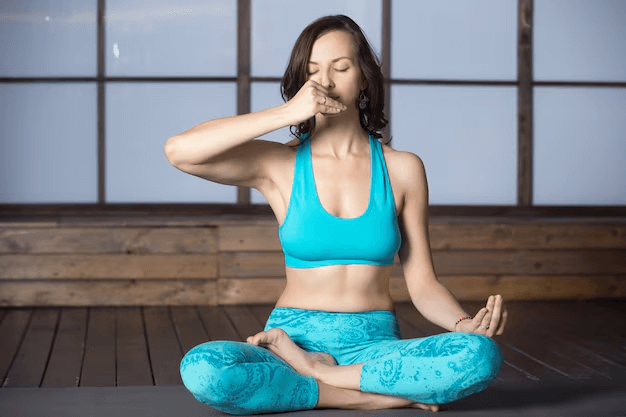
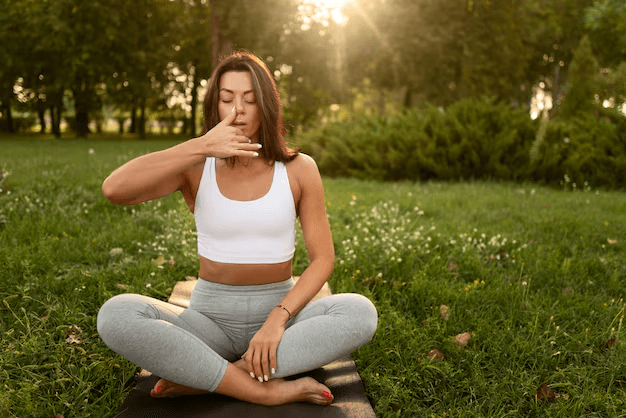
4. Alternate Nostril Breathing (Nadi Shodhana)
What It Is: Nadi Shodhana, or alternate nostril breathing, involves inhaling and exhaling through one nostril at a time, which helps to balance the flow of air and energy in the body.
How It Helps:
- Balances the Mind: This technique helps to calm the nervous system and reduce mental tension.
- Enhances Focus: It brings awareness to the breath and the body, making it easier to manage anxiety.
How to Do It:
- Sit comfortably and close your eyes.
- Use your right thumb to close your right nostril.
- Inhale deeply through your left nostril.
- Close your left nostril with your right ring finger, and release your right nostril.
- Exhale through your right nostril.
- Inhale through your right nostril, then close it and exhale through your left nostril.
- Continue alternating nostrils for several minutes.
5. Pursed-Lip Breathing
What It Is: Pursed-lip breathing involves inhaling through your nose and exhaling slowly through pursed lips like you’re blowing out a candle. This technique helps to control your breathing and increase lung capacity.
How It Helps:
- Improves Oxygen Exchange: The slow exhale increases oxygen intake, helping to reduce feelings of anxiety.
- Promotes Calm: Helps slow your breathing, making it easier to regain control during anxiety attacks.
How to Do It:
- Inhale deeply through your nose for 2 counts.
- Purse your lips as if you are blowing out a candle.
- Exhale slowly through your pursed lips for 4-6 counts.
- Repeat for several minutes, focusing on slowing your breath.
How to Incorporate Breathing Techniques Into Your Daily Routine
Consistency is key when it comes to managing anxiety. Incorporating breathing techniques for anxiety into your daily routine can significantly reduce stress and help you better manage anxiety over time. You can make these techniques a natural part of your day by following the below steps:
1. Start Your Day with Mindful Breathing
Why It Works: Starting your day with mindful breathing for anxiety management sets a calm tone for the hours ahead. It helps balance your nervous system and prepares you to tackle daily challenges without feeling overwhelmed.
How to Do It:
- Morning Routine: Spend 5-10 minutes practicing diaphragmatic breathing or box breathing as soon as you wake up. This will center your focus and bring calmness into your mind and body.
- Set a Reminder: Place a note on your bathroom mirror or set an alarm to remind you to take 5 deep, calming breaths before you start your day.
2. Take Breathing Breaks Throughout the Day
Why It Works: With work, family, and other responsibilities, stress can build up during the day. Taking breathing exercises for anxiety attacks at strategic moments can help reset your body and mind.
Ways to Do It:
- Midday Practice: Schedule a 2-minute break every 2-3 hours to practice a calming breathwork technique like pursed-lip breathing or 4-7-8 breathing. This short session will help relieve tension and boost energy levels.
- Workplace Tip: If you’re feeling overwhelmed, step outside for a few moments, practice box breathing, and return with a clearer mind.
3. Use Breathing to Manage Stressful Moments
Why It Works: During high-stress moments, anxiety can escalate quickly. Incorporating breathing to reduce panic in these moments helps to regain control and reduce physical symptoms of stress.
How to Do It:
- Breathing to Calm the Body: Before important meetings, presentations, or any situation where anxiety tends to spike, practice 4-7-8 breathing for 3-5 minutes to calm your mind and slow your heart rate.
- Emergency Tool: Keep a list of anxiety-relief breathing techniques on your phone or in your planner for quick reference when anxiety hits unexpectedly.
4. Wind Down with Breathing Before Bed
Why It Works: A peaceful night’s sleep is essential for long-term anxiety management. Breathing techniques for anxiety can signal to your body that it’s time to wind down, reducing nighttime anxiety and improving sleep quality.
How to Do It:
- Bedtime Routine: Dedicate 5-10 minutes to alternate nostril breathing or diaphragmatic breathing before bed. These calming techniques will help ease muscle tension and quiet your racing mind.
- Create a Relaxing Environment: Dim the lights, put away screens, and practice breathing exercises in a calm, quiet space to enhance their effectiveness.
5. Make Breathing a Part of Your Fitness Routine
Why It Works: Incorporating breathing techniques for anxiety during physical activity can help improve your performance while simultaneously relieving tension and reducing anxiety.
How to Do It:
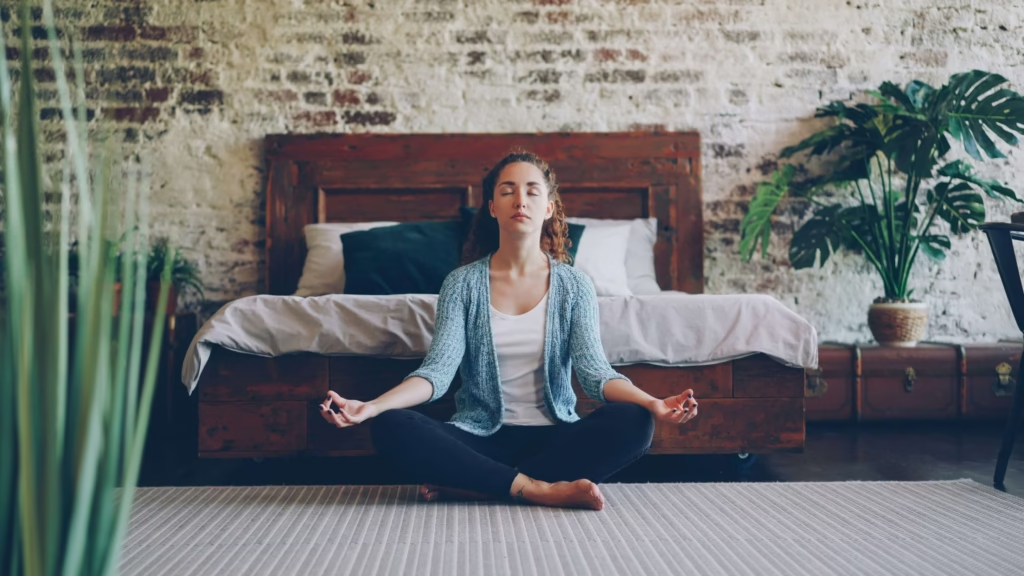
- Breath and Movement: Try combining breathing to reduce panic with your exercise routine. For example, during yoga or stretching, focus on mindful breathing for anxiety management to deepen your practice and relax your body.
- Fitness Goals: Whether walking, running, or doing strength training, use techniques like pursed-lip breathing to help regulate your breath during more intense activities.
Final Thoughts
If anxiety has been a constant companion, incorporating breathing techniques for anxiety into your daily routine can make a significant difference. The five proven techniques, diaphragmatic breathing, box breathing, 4-7-8 breathing, alternate nostril breathing, and pursed-lip breathing, are simple yet powerful tools to help you manage stress, reduce panic, and maintain a calm mind.
By practicing these anxiety-relief breathing techniques, you can quickly regain control of your emotions in overwhelming situations, and over time, experience lasting relief from anxiety symptoms. Whether you’re looking to calm your body in the middle of an anxiety attack or seeking a way to wind down before bed, breathing to reduce panic or using mindful breathing for anxiety management will empower you to face challenges with more clarity and less stress.
Take action today! Let’s breathe easier, together.
Relevant blog to read: Best Breathing Exercises for Sleep and Relaxation: Unlock Deeper Rest
How Breathing Techniques Calm the Nervous System
Breathing techniques for anxiety are not just a distraction; they work directly on your physiology. When you slow and lengthen your exhale, you activate the parasympathetic nervous system, the body’s natural “rest and digest” mode. This is why a few minutes of controlled breathing can shift you out of a fight-or-flight spiral.
- Slower heart rate: longer exhales signal safety and gently lower your pulse.
- Lower cortisol: steady breathing helps reduce the stress hormones that fuel anxiety.
- Sharper focus: balanced oxygen flow calms racing thoughts and restores clarity.
If anxious feelings show up most in social settings, it can help to first understand your triggers by exploring whether you might have social anxiety, and then learn more about how breathing helps you relax so you can reach for the right technique in the moment.
Frequently Asked Questions
There isn’t a one-size-fits-all technique, but diaphragmatic breathing and box breathing are highly effective for calming anxiety and reducing stress.
Start with 5-10 minutes daily. Consistency is key. You can gradually increase the duration as you become more comfortable.
Yes, techniques like 4-7-8 breathing and pursed-lip breathing can help control your breath and reduce the intensity of a panic attack.
Yes, lightheadedness can occur, especially if you breathe too rapidly. Slow, controlled breaths can prevent this and promote relaxation.
Listen to our Podcast
Also available on Youtube and Apple Podcast.
Sources & Further Reading
Author’s note
Thank you for taking the time to focus on your well-being and for being your own cheerleader in this journey called life. I truly appreciate you for choosing to invest in yourself today, and I’m honored that you spent a part of your day here. Remember, every small step you take matters, and you’re doing an amazing job. Keep going—you’ve got this!


19 Comments