

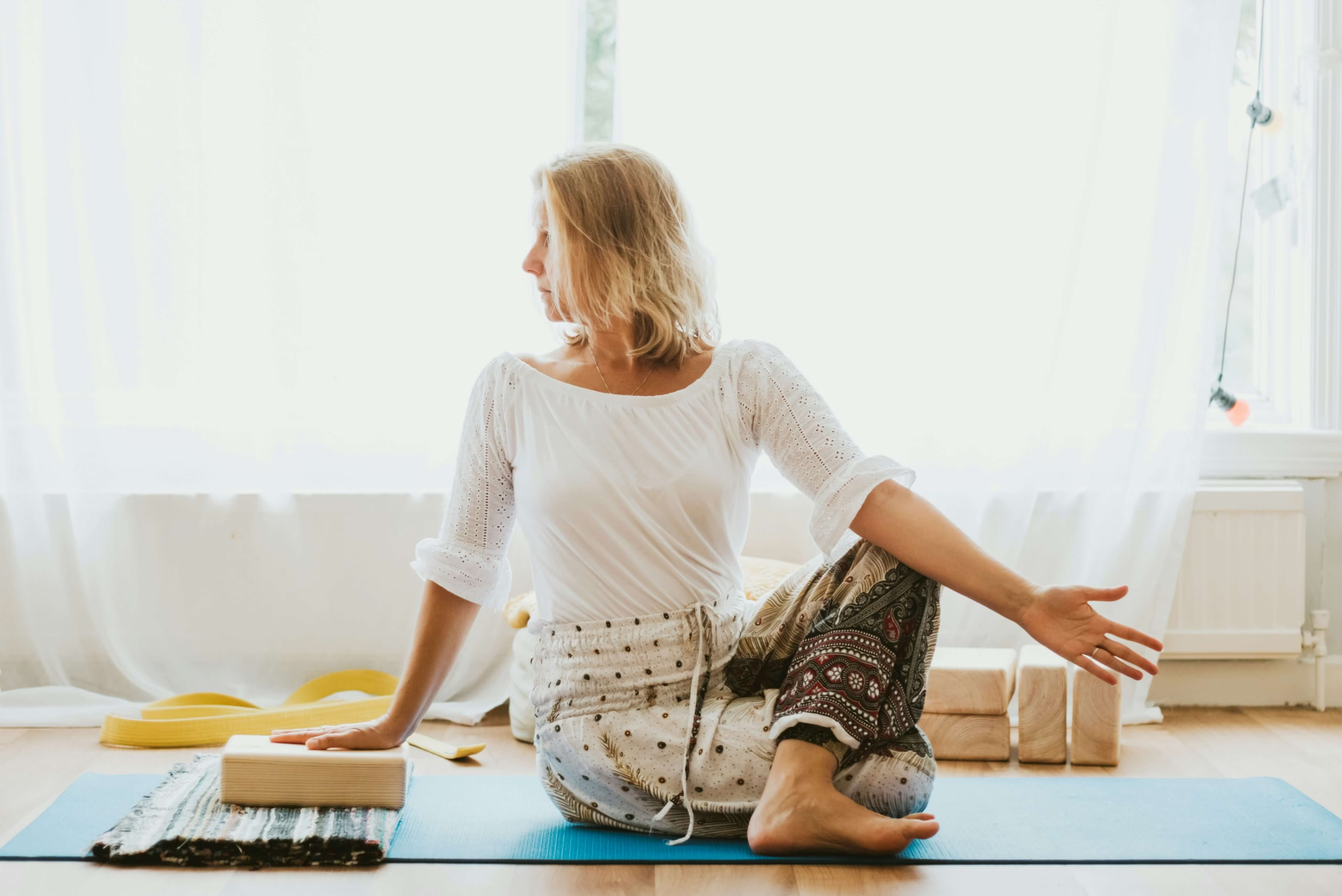
In our fast-paced world, anxiety can feel like a constant companion—a low hum of worry that never fully goes away. It’s that familiar tension in your shoulders, the racing thoughts that keep you up at night, or the sense of impending dread that can strike without warning. While we often look for external solutions to this inner turmoil, one of the most powerful and accessible tools for finding relief lies within us: our breath. The ancient practice of meditation for anxiety is not a magic cure, but it is a profoundly effective way to calm your nervous system, build emotional resilience, and quiet the anxious mind. This blog is a compassionate guide to using meditation for anxiety. We’ll demystify what meditation is, explain why it’s so powerful for an anxious mind, and provide 7 simple techniques you can start today. By learning to anchor yourself in the present moment, you can begin to find your inner sanctuary, even when the world outside feels chaotic.
Relevant blog to read: What Is Meditation and How to Practice It Properly
Why Meditation is So Important for Anxiety
Anxiety is, at its core, your body’s “fight or flight” response—the sympathetic nervous system—stuck on high alert. This constant state of stress floods your body with cortisol and adrenaline, making you feel perpetually on edge.
Meditation works as an antidote by doing the following:
- Activates Your “Rest and Digest” System: Intentional breathing, a key component of meditation, directly activates your parasympathetic nervous system. This signals to your body that it’s safe to relax, lowering your heart rate and reducing stress hormones.
- Builds Your Mental Muscle: Meditation is a workout for your focus. By practicing bringing your attention back to your breath, you train your mind to be less reactive to anxious thoughts. You learn to observe them without being swept away by them.
- Creates a Pause: Anxiety is often a knee-jerk reaction. Meditation creates a crucial pause between a trigger and your response. This allows you to choose calm instead of reacting with fear.
By consistently practicing meditation for anxiety, you’re not just calming yourself in the moment; you’re building a more resilient, less reactive nervous system.
Relevant blog to read: Meditation for ADHD: 9 tips and techniques
7 Easy Meditation Techniques for Anxiety Relief
You don’t need to be an expert to start. These techniques are designed for beginners and can be done in just a few minutes.
1. Mindful Breathing (The Foundational Anchor)
- How to do it: Sit or lie down comfortably. Close your eyes and focus all your attention on your breath. Notice the cool air entering your nostrils and the warm air leaving. Feel your chest and belly rise and fall.
- Why it helps: Your breath is always in the present moment. By focusing on it, you pull your mind away from anxious thoughts about the past or future.
- When to do it: Any time you feel anxiety start to build. It’s a perfect practice to start your morning or to do before bed.
2. Box Breathing (The Calming Rhythm)
- How to do it: Inhale slowly for a count of 4. Hold your breath for a count of 4. Exhale slowly for a count of 4. Hold the empty lungs for a count of 4. Repeat for a few minutes.
- Why it helps: The structured rhythm of this exercise helps to regulate a racing heart and brings a sense of control to your breath and body.
- When to do it: This is a perfect technique to use in a stressful meeting or in a situation that triggers panic.
3. The Body Scan Meditation
- How to do it: Lie down or sit comfortably. Bring your full attention to your toes, noticing any sensations. Slowly, without judgment, move your attention up your body, from your toes to your head.
- Why it helps: This exercise pulls your mind out of its anxious thoughts and into the physical sensations of your body, which is a powerful grounding technique.
- When to do it: This is an excellent exercise for falling asleep or for moments when you feel disconnected from your body.
4. The 5-4-3-2-1 Grounding Technique
- How to do it: Look around and name five things you can see. Name four things you can feel. Name three things you can hear. Name two things you can smell. Name one thing you can taste.
- Why it helps: It instantly pulls you out of a mental spiral and anchors you in your physical reality, which is the most effective way to combat an anxiety or panic attack.
- When to do it: Use this in a moment of acute anxiety or when your thoughts are racing.
5. Mindful Walking
- How to do it: As you walk, bring your full attention to the sensation of each step. Notice your foot lifting, moving through the air, and landing on the ground. Coordinate the rhythm with your breath.
- Why it helps: This exercise turns a simple, everyday activity into a moving meditation, helping you to stay present and calm your nervous system.
- When to do it: Use this in moments of stress or when you need a gentle mental break from your work or home life.
6. The Focused Meditation
- How to do it: Choose a single object to focus on—a candle flame, a flower, or a specific piece of art. When your mind wanders, gently bring it back to that one object.
- Why it helps: This practice helps to strengthen your concentration and focus, making your mind less susceptible to anxious distractions.
- When to do it: This is a great exercise for a short break, to reset your focus before a task.
7. Loving-Kindness Meditation (Metta)
- How to do it: Sit comfortably. Direct feelings of compassion and kindness toward yourself by silently repeating phrases like, “May I be happy, may I be peaceful, may I be safe.” Then extend these wishes to a loved one, and finally, to someone you are in conflict with.
- Why it helps: It’s a powerful antidote to anger and resentment, which are often fuel for anxiety. By practicing compassion, you calm your nervous system and heal old wounds.
- When to do it: A great practice for the evening, to release any negative feelings from the day.
How Well-being Practices Help
Meditation is a powerful tool, but it is most effective when it’s part of a holistic approach to well-being.
- Journaling: A simple way to get your anxious thoughts out of your head and onto a page. It provides a safe space for emotional processing.
- Physical Activity: Regular exercise is one of the most effective ways to reduce stress hormones and boost feel-good endorphins.
- Prioritize Sleep: Deep, restorative sleep is when your body and mind do their most important healing work.
- Setting Boundaries: Assertive communication and clear boundaries reduce external sources of stress and anxiety in your life.
By combining these practices, you create a powerful defense system for your mental and emotional health.
Final Thoughts: Finding Peace, One Breath at a Time
Meditation for anxiety is not about erasing fear; it’s about building an inner foundation of peace that is strong enough to withstand it. By taking a few minutes each day to connect with your breath, you are giving yourself a profound gift—the ability to find a moment of stillness in the chaos, to build a more resilient mind, and to live a life of greater calm and purpose. Your journey to inner peace begins now, one breath at a time.
How to Build a Daily Meditation for Anxiety Routine
Techniques work best when they become a routine rather than an emergency measure. To make meditation for anxiety a daily anchor, start absurdly small—even two minutes of slow breathing counts—and attach it to a moment that already exists in your day, such as your first cup of coffee or the drive home. Consistency calms the nervous system far more than the occasional long session, so aim for daily reps over perfect ones. Notice the difference between practicing to prevent anxiety and reaching for a technique mid-spike; you will want both. On calmer days, keep practicing so the skill is ready when worry surges. Jot down how you feel before and after in a few words, and be patient, because a steadier baseline builds over weeks, not overnight.
Frequently Asked Questions
A. Aim for consistency over duration. Even 3-5 minutes a day is incredibly effective. The goal is to build a consistent habit.
A. No. The goal is not to stop your thoughts, but to observe them without judgment. This is the key to training your mind to be less reactive to them.
A. That is completely normal! When your mind wanders, you just notice it and gently bring your focus back to your anchor (your breath). This act of bringing your focus back is the entire practice.
A. No. Meditation for anxiety is a powerful complementary tool, but it is not a substitute for professional medical advice or medication. Always consult with a healthcare professional.
A. Yes. Many of these techniques, like Box Breathing or a Mindful Gaze, can be done discreetly at your desk or in a quiet break room.
Related Reading
- Meditation for Stress Relief: 5 Techniques to Quiet the Mind
- Breathing Techniques for Anxiety: 5 Proven Ways to Calm Your Mind
- Beyond Deep Breaths: Advanced Techniques for Managing Daily Anxiety
- Body Scan Meditation: How It Prepares Your Mind and Body for Sleep
Author’s note
Thank you for taking the time to focus on your well-being and for being your own cheerleader in this journey called life. I truly appreciate you for choosing to invest in yourself today, and I’m honored that you spent a part of your day here. Remember, every small step you take matters, and you’re doing an amazing job. Keep going—you’ve got this!


4 Comments