

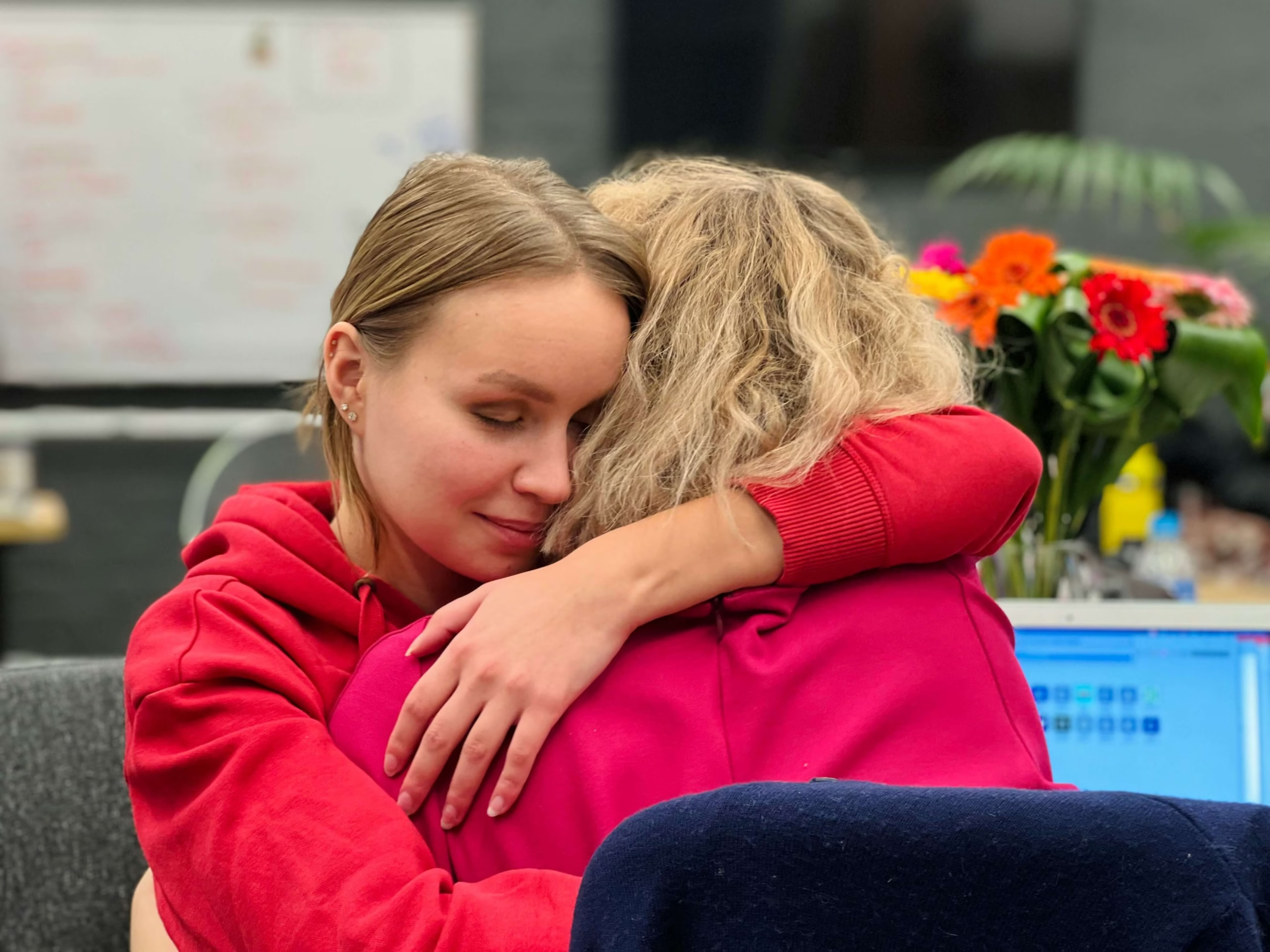
While often associated with childhood, adults too can experience Separation Anxiety Disorder. This involves excessive distress when anticipating or experiencing separation from loved ones or home. Understanding its roots is vital for fostering independence and emotional security at any age. It is a condition of excessive fear that is disproportionate to the actual danger of a situation, and it can profoundly impact an individual’s ability to live a full and independent life.
This detailed guide is a compassionate toolkit for understanding and healing from Separation Anxiety Disorder. We’ll explore the symptoms in both children and adults, provide a clear framework for coping, and offer actionable strategies to help you or a loved one find lasting peace and independence.
Relevant blog to read: Meditation for Anxiety and a Calmer Mind: 7 Easy Techniques
When to Seek Professional Help for Separation Anxiety Disorder
Occasional worry about being apart from someone you love is part of being human. Separation Anxiety Disorder is different: the fear is persistent, out of proportion to the situation, and it starts to shrink your world. If a child refuses school for weeks, or an adult turns down work, travel, or time with friends to avoid being apart from an attachment figure, that is a signal worth listening to — not a character flaw to push through alone.
Consider reaching out to a doctor or therapist when the anxiety lasts four weeks or more in children (six months or more in adults), triggers physical symptoms like headaches or nausea, or leads to panic when separation is anticipated. Support is not a last resort; it is a skillful, compassionate first step.
Helpful signs it is time to ask for more support include:
- Avoiding school, work, or sleep away from home
- Frequent physical complaints tied to separation
- Escalating panic even with reassurance
- Relationships or daily routines quietly narrowing
In the meantime, gentle daily tools can steady the nervous system. Many readers find relaxation techniques for anxiety and a small gratitude practice help soften the edges of fear while professional support does the deeper work.
What Is Separation Anxiety Disorder?
Separation Anxiety Disorder is a mental health condition that is characterized by an excessive, persistent, and age-inappropriate fear of being separated from a primary attachment figure (e.g., a parent, partner, or child) or from home.
- For Children: This is a normal part of development for very young children. However, for older children, the fear is so intense that it interferes with daily activities like school, friendships, or sleepovers.
- For Adults: In adults, this disorder often manifests as a deep fear of being alone, a constant worry that something bad will happen to a loved one, or an inability to be apart from a partner.
This is more than just feeling sad or missing someone. The fear is so intense that it can lead to physical symptoms and a significant reduction in a person’s quality of life.
Recognizing the Signs: Symptoms in Adults and Children
The first step to healing is to recognize the symptoms.
- Physical Symptoms:
- Headaches, stomachaches, or nausea before a separation.
- A racing heart, shortness of breath, or a feeling of being faint.
- Difficulty sleeping, especially when alone.
- Emotional and Mental Symptoms:
- A constant, intense worry that something bad will happen to a loved one.
- A deep fear of being alone or of leaving home.
- An unwillingness to go to school, work, or be in a social situation.
- A sense of panic or dread when a separation is imminent.
- Behavioral Symptoms:
- Clinginess or a constant need for reassurance from a loved one.
- An inability to be alone or to go out in public.
- An unwillingness to sleep in a different room or to be away from home.
How to Cope
Coping with Separation Anxiety Disorder is a journey of building resilience and emotional security from the inside out.
1. Practice Mindful Presence
- Strategy: In moments of anxiety, you need to bring your mind back to the present.
- How to do it: Use a simple, grounding technique like Box Breathing. Inhale 4, hold 4, exhale 4, hold 4. This simple rhythm calms your nervous system and reminds your body that it is safe.
- Why it helps: It’s a powerful way to break the cycle of anxious thoughts and bring you back to the present moment.
2. Challenge Your Anxious Thoughts
- Strategy: Your anxious thoughts are often disproportionate to the actual danger. You need to learn how to challenge them.
- How to do it: Ask yourself, “Is this a real threat? What is the worst that could happen? What is the most likely outcome?”
- Why it helps: It helps to reframe the catastrophic thinking that fuels the anxiety.
3. Build a Strong Inner Anchor
- Strategy: Your fear of being alone often comes from a lack of internal security. You need to build a strong sense of self-worth that is not dependent on the presence of others.
- How to do it: Use affirmations like, “I am safe and secure,” or, “I am capable of handling what comes my way.”
- Why it helps: It helps to build a new inner narrative that is rooted in confidence and self-trust.
4. Practice Gradual Exposure
- Strategy: The best way to overcome a fear is to face it in small, manageable steps.
- How to do it: Start with a very small separation. For a child, this could be leaving them with a trusted family member for a few minutes. For an adult, this could be going for a short walk alone. As you get more comfortable, you can gradually increase the duration and distance of the separation.
- Why it helps: It retrains your nervous system to associate being alone with safety, not with fear.
5. The Power of a Journal
- Strategy: A journal is a safe, private space to process your emotions and to track your progress.
- How to do it: Use a journal to write down your fears, to track your progress with gradual exposure, and to write down all the things you are proud of yourself for doing.
- Why it helps: It helps you to externalize your fear, which can make it feel more manageable and less overwhelming.
The Holistic Approach: Your Well-being Arsenal
Coping with Separation Anxiety Disorder is a long-term project that requires a compassionate, holistic approach.
- Mindfulness & Meditation: This is the foundation of emotional regulation. Consistent practice helps you to be less reactive and more present.
- Self-Compassion: Be kind to yourself. The healing journey is not linear. When you stumble, acknowledge it without judgment and start again.
- Physical Health: A tired, malnourished body is more susceptible to anxiety. Prioritize sleep, nutrition, and hydration.
- Professional Support: A therapist, especially one who specializes in anxiety, can provide a safe and structured framework for your healing journey.
Final Thoughts: Your Journey to Freedom
Healing from Separation Anxiety Disorder is a courageous act of reclaiming your life from the fear that holds you back. It is not about severing your connections, but about building a stronger, more resilient foundation of self-trust and independence. By practicing self-awareness, compassion, and a few simple strategies, you are giving yourself the gift of a new response—one of calm, clarity, and unwavering resilience. Your journey to emotional freedom begins now, one small step at a time.
Frequently Asked Questions
A. No. While it is a normal part of development for young children, adults too can experience Separation Anxiety Disorder.
A. Normal anxiety about a loved one is a fleeting feeling. Separation Anxiety Disorder is characterized by an excessive, persistent, and age-inappropriate fear that interferes with daily life.
A. A therapist can provide a safe and structured framework to help you identify the root cause of your anxiety and give you tools to reframe it and heal the underlying emotional wounds.
A. Yes. It is a natural response. However, if the feeling of anxiety is so intense that it interferes with your ability to live your life, it may be a sign of a deeper issue.
A. Start with a simple, mindful breathing practice. It is the most immediate way to calm your nervous system and bring you back to the present moment.
Sources & Further Reading
Related Reading
- Deep Sleep Anxiety Reduction: Why Sleep Stage Matters
- Mental Health Goal Setting: Feel Less Anxious, More You
- Relaxation Techniques for Anxiety That Actually Work
- Types of Anxiety Disorders: What Sets Each One Apart
Author’s note
Thank you for taking the time to focus on your well-being and for being your own cheerleader in this journey called life. I truly appreciate you for choosing to invest in yourself today, and I’m honored that you spent a part of your day here. Remember, every small step you take matters, and you’re doing an amazing job. Keep going—you’ve got this!




One Comment