

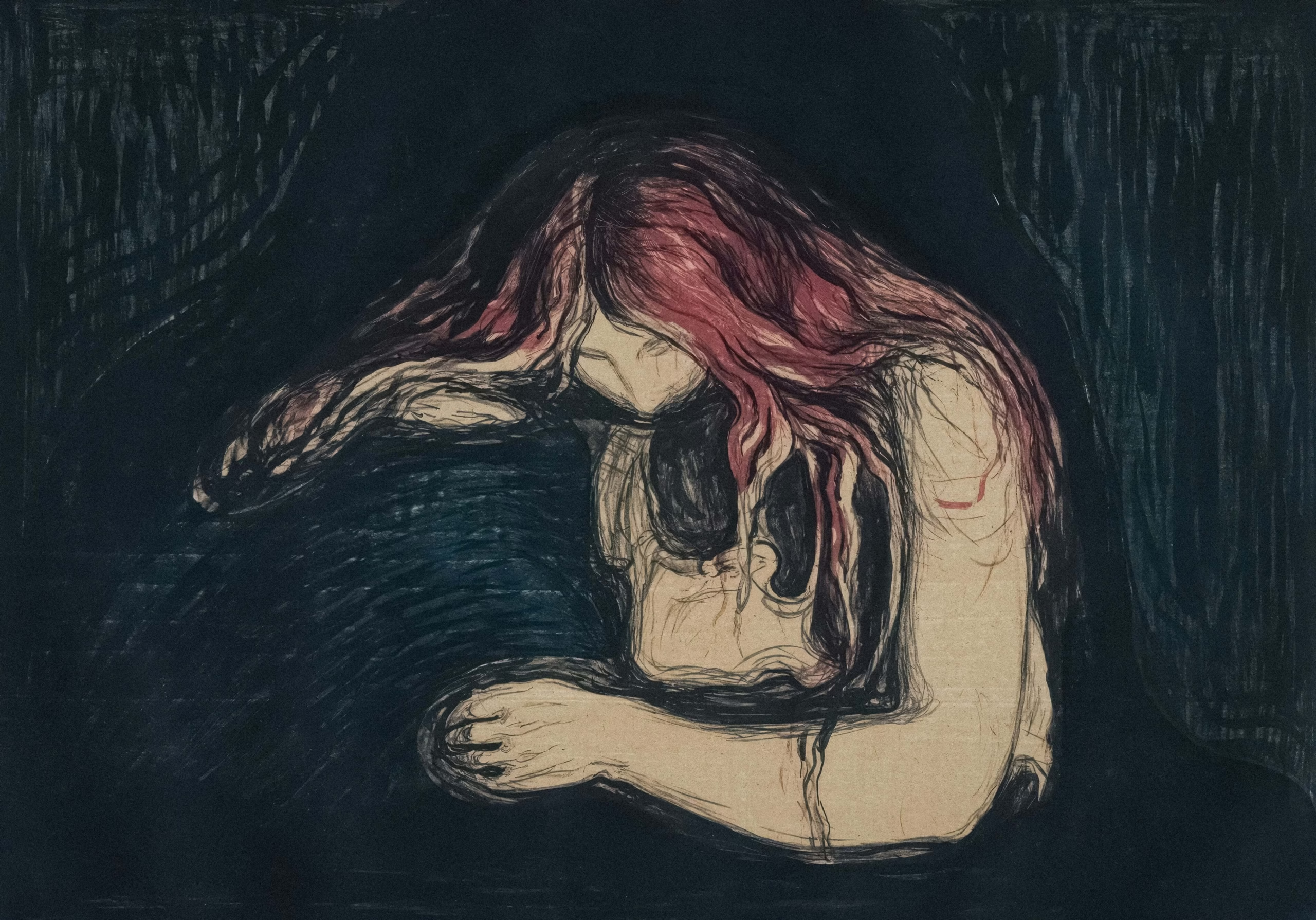
Imagine a car alarm that never stops blaring. That’s what living with crippling anxiety can feel like—a persistent, overwhelming sense of fear and dread that paralyzes your ability to function. It’s more than just feeling stressed or worried; it’s an intense, persistent state of unease that can freeze you in your tracks, making simple tasks feel impossible. This profound feeling of being stuck can silently sabotage your potential, relationships, and overall well-being.
This blog is a compassionate guide to understanding and overcoming crippling anxiety. We’ll demystify what this condition is, explore its symptoms and impacts on daily life, and provide a practical toolkit of coping strategies. Most importantly, we’ll offer a clear path to building long-term resilience and guidance on when and how to seek professional help to reclaim control of your life.
Relevant blog to read: Understanding Anxiety: Types of Anxiety Disorders & Their Impact on Well-being
What is Crippling Anxiety?
The term “crippling anxiety” isn’t a clinical diagnosis, but it’s a powerful and widely understood description of anxiety that is so severe it interferes with your ability to perform daily functions.
It differs from normal, everyday worry in a few key ways:
- Intensity: Normal worry is a fleeting response to a specific event (e.g., a deadline). Crippling anxiety is a deep, often irrational sense of dread that is disproportionate to the situation.
- Duration: Everyday worry passes. Crippling anxiety is persistent, lasting for days, weeks, or even months, creating a state of chronic unease.
- Impact: Normal worry might motivate you to act. Crippling anxiety stops you from acting altogether, causing you to avoid situations, withdraw from social life, or get stuck in a state of indecision.
It’s the difference between a car alarm going off when a car pulls too close (normal anxiety) and an alarm that is constantly blaring, even when no one is around, making you afraid to drive at all (crippling anxiety).
The Symptoms & Impact: How Crippling Anxiety Sabotages Your Life
Crippling anxiety manifests in a wide range of symptoms that impact your mind, body, and behavior. These symptoms collectively create a barrier that “cripples” your ability to thrive.
- Physical Symptoms:
- A constantly racing heart or shortness of breath.
- Sweating, shaking, or feeling faint.
- Digestive issues like nausea, stomachaches, or changes in appetite.
- Chronic fatigue or muscle tension.
- Headaches or dizziness.
- Emotional & Mental Symptoms:
- A persistent feeling of dread or impending doom.
- Pervasive, uncontrollable worry that jumps from one topic to another.
- Intense irritability or anger.
- Difficulty concentrating, making decisions, or remembering things.
- A constant feeling of being “on edge” or keyed up.
- Behavioral Impacts:
- Avoidance: Deliberately avoiding social situations, work tasks, or places that trigger anxiety.
- Procrastination: Putting off important decisions or tasks to avoid the stress of starting.
- Social Withdrawal: Isolating yourself from friends and family.
- Changes in Habits: Significant changes in sleep patterns (insomnia, restlessness) or eating habits.
These symptoms don’t just cause discomfort; they can actively sabotage your career, strain your relationships, and prevent you from engaging with the world.
A First-Aid Kit: Practical Tips to Get Relief in the Moment
When you feel crippling anxiety setting in, these immediate, actionable techniques can help you calm your nervous system and regain a sense of control.
- Box Breathing (4-4-4-4): Inhale slowly for 4 seconds, hold for 4, exhale for 4, and hold the empty lungs for 4. Repeat a few times. This simple rhythm regulates your nervous system.
- The 5-4-3-2-1 Grounding Technique: Look around and name 5 things you can see. Name 4 things you can feel. Name 3 things you can hear. Name 2 things you can smell. Name 1 thing you can taste. This pulls you out of your head and into your physical reality.
- Mindful Movement: Get up and move your body. A short, brisk walk, gentle stretches, or simply shaking out your hands can release pent-up nervous energy. Focus on the physical sensations of movement, not your anxious thoughts.
- Cold Water Therapy: Splash cold water on your face or hold an ice cube in your hand. The sudden temperature shift can shock your nervous system into a calmer state.
- Listen to a Song: Play a song you know by heart and sing along, or focus entirely on the lyrics and instruments. This engages a different part of your brain and provides a mental break from rumination.
Relevant blog to read: Breathing Techniques for Anxiety: 5 Proven Ways to Calm Your Mind
The Long Game: Strategies for Overcoming Crippling Anxiety
Immediate relief is essential, but building long-term resilience is how you truly overcome crippling anxiety.
- Challenge Your Self-Talk: Acknowledge your anxious thoughts (e.g., “I’m having the thought that I’ll fail this”). Then, gently reframe them with positive self-talk: “I’m feeling anxious, but I am capable of taking the next step.”
- Prioritize the Well-being Pillars: Consistent sleep, balanced nutrition, and regular exercise are not optional. They form the biological foundation for your mental resilience.
- Journal to Unstuck Your Mind: Use a journal as a “brain dump” to offload racing thoughts. Write down your worries, then try to find the root cause. This externalizes the anxiety and helps you find patterns and triggers.
- Set and Maintain Healthy Boundaries: Crippling anxiety is often fueled by overcommitment. Learn to say “no” to protect your time and energy, reducing the sources of stress in your life.
- Practice Mindfulness Daily: Consistent meditation or mindful practices train your brain to observe anxious thoughts without being consumed by them, gradually increasing your tolerance for discomfort.
Relevant blog to read: 100 New Beginnings Affirmations: Embrace Change with Positivity
When to Seek Professional Help
While these tips are powerful, they are not a substitute for professional support. You should consider seeking help if your anxiety:
- Interferes with your daily life (work, school, relationships) for an extended period.
- Causes panic attacks or physical symptoms that won’t go away.
- Leads to social isolation or a significant change in your behavior.
- Feels unmanageable despite your best efforts.
Therapists specializing in cognitive-behavioral therapy (CBT) can provide a safe space and structured tools to help you identify and change the thought patterns that fuel your anxiety. Seeking help is not a sign of weakness; it’s a profound act of courage and self-care.
Final Thoughts: From Paralysis to Purpose
The journey to overcome crippling anxiety is a path of resilience, self-compassion, and intentional action. It is not about eliminating fear, but about learning to navigate it with confidence. By giving yourself permission to pause, practicing gentle coping mechanisms, and building a strong foundation of well-being, you can begin to dismantle the invisible walls that hold you back. Your path to a calmer, more purposeful life starts now, one brave step at a time.
Building a Daily Routine to Ease Crippling Anxiety
Managing crippling anxiety isn’t only about what you do in a crisis — it’s about the small, steady habits that make crisis moments rarer and less intense. A predictable daily rhythm gives an anxious mind fewer unknowns to fear, and each calming ritual becomes a quiet reminder that you are safe.
Try anchoring your day with three simple markers: a grounding morning practice, a mid-day pause to check in with your body, and a wind-down ritual at night. It also helps to understand your own patterns — learning the difference between anxiety and overthinking can show you whether you’re facing a physical alarm or a mental loop, so you can respond with the right tool. And because the breath is your fastest route to calm, exploring the science behind breathwork to reduce anxiety can turn a few mindful breaths into a genuinely powerful reset.
Be patient with yourself as these habits take root. Consistency, not intensity, is what gradually loosens crippling anxiety’s grip.
Frequently Asked Questions
A. Normal anxiety is a temporary, proportional response to a specific event. Crippling anxiety is a persistent, disproportionate state of dread that prevents you from functioning.
A. No, it is a medical condition. It’s often the result of a combination of genetics, life experiences, and environmental factors, and it is not your fault.
A. Yes. Anxiety can lead to a wide range of physical symptoms, including a racing heart, headaches, digestive issues, and muscle tension, as your body enters a “fight or flight” response.
A. Grounding techniques (like the 5-4-3-2-1 method) and deep, rhythmic breathing are highly effective for bringing your focus back to the present moment and calming your nervous system.
A. If your anxiety is persistent, impacts your daily life, or is accompanied by physical symptoms and avoidance behaviors, a mental health professional can provide a diagnosis and a personalized treatment plan.
Sources & Further Reading
Author’s note
Thank you for taking the time to focus on your well-being and for being your own cheerleader in this journey called life. I truly appreciate you for choosing to invest in yourself today, and I’m honored that you spent a part of your day here. Remember, every small step you take matters, and you’re doing an amazing job. Keep going—you’ve got this!



One Comment