


Feeling nervous in social situations is normal, but when does it cross the line into social anxiety? If you find yourself constantly avoiding interactions, overanalyzing conversations, or feeling physically sick before social events, you might wonder, Do I have social anxiety?
Social anxiety disorder isn’t just shyness, it’s a persistent fear of judgment that can interfere with daily life. The good news? It’s manageable. This guide will help you recognize the signs, understand what social anxiety is, and explore effective strategies on how to overcome it and regain confidence.
Relevant blog to read: Breathing Techniques for Anxiety: 5 Proven Ways to Calm Your Mind
What is Social Anxiety?
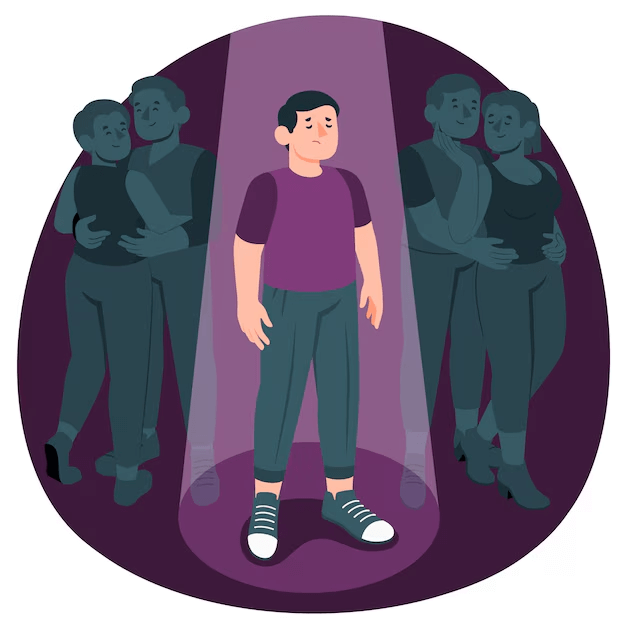
Social anxiety disorder (SAD) is a persistent fear of social situations, leading to intense nervousness and avoidance behaviors. It goes beyond everyday shyness, often interfering with daily life, work, and relationships.
Research indicates that this disorder often begins in childhood or adolescence, affecting millions worldwide. If you constantly worry about being judged, embarrassed, or scrutinized in social settings, you might wonder, Do I have social anxiety?
Unlike general nervousness, SAD is a diagnosable condition that may require self-help strategies or professional treatment. Recognizing the signs is the first step in understanding how to overcome it and regain confidence.
Do I Have Social Anxiety?
Feeling nervous before social events is normal, but if the fear is overwhelming and disrupts your daily life, you might be dealing with SAD. Unlike occasional shyness, social anxiety causes persistent distress, leading to avoidance of interactions that most people handle with ease.
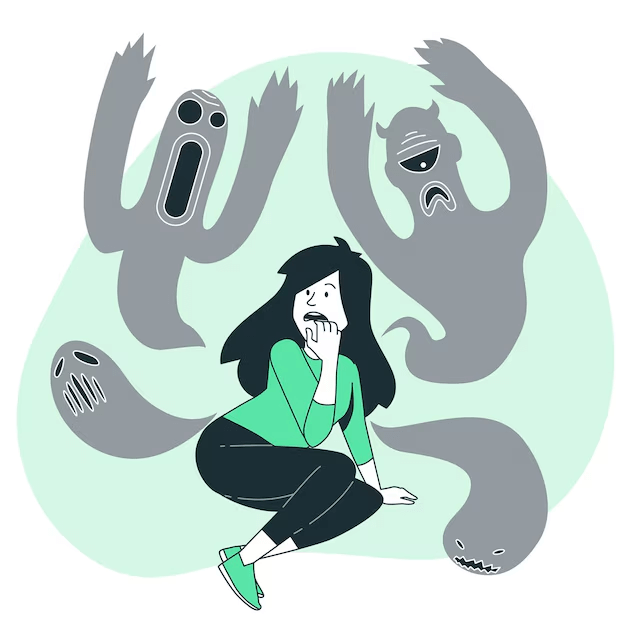
Common Triggers
- Speaking in public or performing in front of others.
- Meeting new people or attending social events.
- Being the center of attention.
- Making small talk or maintaining eye contact.
- Eating or using public restrooms where others may observe.
Emotional & Physical Symptoms
Emotional Signs:
- Intense fear of being judged or embarrassed.
- Avoiding situations where you might be observed.
- Overanalyzing interactions and expecting the worst.
Physical Symptoms:
- Rapid heartbeat, excessive sweating, nausea.
- Trembling, dizziness, or difficulty breathing.
- Blushing or feeling that your mind goes blank.
Self-Assessment Questions
Ask yourself the following:
- Do I experience extreme fear before social interactions?
- Do I avoid social situations due to fear of embarrassment?
- Do I feel physically sick (shaking, sweating, nausea) in social settings?
- Does my anxiety interfere with work, relationships, or daily activities?
If you answered ‘yes’ to most of these, you may have SAD. Consider taking an online social anxiety test for further insights.
Relevant blog to read: 90 Journal Prompts for Self Discovery
When to Seek Professional Help
If social anxiety affects your quality of life, seeking professional help is crucial. Therapy, lifestyle changes, and, in some cases, medication can help manage symptoms and improve confidence in social situations.
Understanding what it is and recognizing its impact is the first step. If you often wonder, “Do I have social anxiety disorder?” or “How to overcome social anxiety?” know that help is available, and improvement is possible with the right support.
How to Overcome Social Anxiety
Social anxiety can feel overwhelming, but with the right strategies, you can gradually build confidence and navigate social situations with ease. Here are practical, actionable ways to manage and reduce it:
1. Identify Your Triggers
- Recognizing what causes your anxiety is the first step in managing it.
- Keep a journal to track when and where you feel anxious.
- Look for patterns, do certain situations, people, or environments trigger your anxiety?
2. Challenge Negative Thoughts
- It often stems from irrational fears about being judged or embarrassing yourself.
- Ask yourself: “Is this thought based on facts or assumptions?”
- Replace negative thoughts with balanced ones, like “I might feel nervous, but people are probably too focused on themselves to notice.”
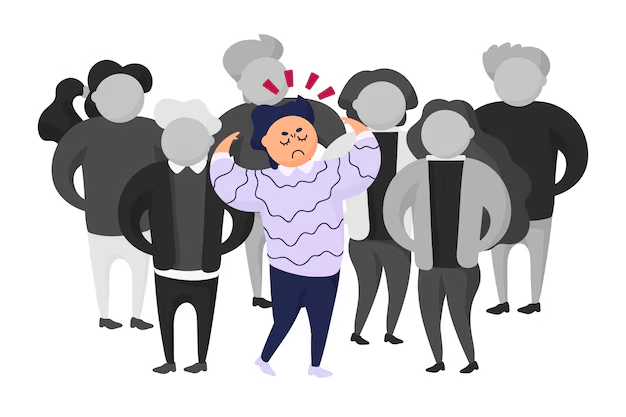
3. Shift Focus from Yourself to Others
- Anxiety makes you hyper-aware of yourself, but most people aren’t scrutinizing you.
- Engage in conversations by asking open-ended questions and genuinely listening.
- Focusing on others makes social interactions more natural and less stressful.
4. Practice Gradual Exposure
- Avoiding social situations reinforces anxiety. Instead, ease into them gradually.
- Start small, order coffee at a café, make brief eye contact, or say hello to a neighbor.
- Slowly increase exposure to more challenging social situations as your confidence grows.
5. Improve Your Social Skills
- Social anxiety often makes interactions feel awkward, but practice helps.
- Join a public speaking group, take an improv class, or practice conversations with a trusted friend.
- The more you engage, the easier socializing becomes.
Relevant blog to read: 120 Questions to Get to Know Someone
6. Control Your Breathing
- Shallow, rapid breathing can intensify anxiety symptoms.
- Try the 4-7-8 technique: Inhale for 4 seconds, hold for 7 and exhale for 8.
- Deep breathing activates the relaxation response, helping you feel calmer.
Relevant blog to read: The Power of Breath: How does breathing help one relax
7. Use Visualization Techniques
- Before a social event, visualize yourself handling it with ease.
- Picture yourself speaking confidently and enjoying the interaction.
- Mental rehearsal helps reduce anxiety and increases preparedness.
Relevant blog to read: What is a Vision Board and How It Can Help Manifest Your Dreams
8. Develop a Relaxation Routine
- Incorporate activities that reduce stress, such as yoga, meditation, or journaling.
- Progressive muscle relaxation (tensing and relaxing different muscle groups) can help ease tension before social events.
- Engaging in calming practices regularly makes social situations feel less overwhelming.

9. Set Realistic Goals
- Instead of aiming for “perfect” social interactions, focus on small wins.
- Start with one simple goal per interaction, like making eye contact or speaking up once in a group setting.
- Celebrate progress, even if it feels minor, small steps lead to big changes.
10. Surround Yourself with Supportive People
- Spend time with individuals who encourage and uplift you.
- Join social groups where people share common interests, shared activities create natural conversation starters.
- Consider support groups for social anxiety; hearing others’ experiences can be reassuring.
11. Use Mindfulness to Stay Present
- Anxiety thrives on “what-ifs” about the past or future.
- Practice grounding techniques, like focusing on physical sensations (feet on the floor, hands touching an object).
- Mindfulness keeps you anchored in the moment, reducing unnecessary worry.
12. Seek Professional Help if Needed
- If it severely impacts daily life, therapy can provide effective coping strategies.
- Cognitive Behavioral Therapy (CBT) helps reframe negative thoughts and change behavioral patterns.
- Medication can be an option for those with severe symptoms, consult a professional to explore possibilities.

Conclusion: Taking Steps Towards Confidence
Overcoming social anxiety is a gradual process that requires patience and consistent effort. If you’ve ever asked yourself, “Do I have social anxiety?”, know that you’re not alone, many people face similar challenges. Identifying triggers, challenging negative thoughts, and practicing exposure can make a significant difference.
If your struggles feel overwhelming, consider seeking professional guidance. Therapy, especially Cognitive Behavioral Therapy (CBT), can provide structured strategies to help you manage it effectively.
Self-compassion is key. Instead of asking, “Do I have social anxiety disorder?”, shift your focus to actionable steps. Small, consistent efforts, such as mindful breathing, improving social skills, and engaging in supportive communities, can gradually build confidence.
Change won’t happen overnight, but progress is always possible. With the right mindset and support, you can learn what it is and how to overcome it and step into social situations with greater ease.
Relevant blog to read: Best Breathing Exercises for Sleep and Relaxation: Unlock Deeper Rest
How Social Anxiety Affects Everyday Life
Left unaddressed, social anxiety can quietly shape the choices you make each day, from declining invitations to avoiding phone calls or speaking up at work. Over time, this avoidance can shrink your world and reinforce the very fears you want to overcome. Recognising this ripple effect is an important first step, because it shows that managing social anxiety is not about becoming a different person, it is about reclaiming the experiences you have been missing.
- Relationships: fear of judgment can make it hard to form or deepen friendships and romantic bonds.
- Work and study: avoiding meetings, presentations, or group work can hold back your growth.
- Health: chronic anxiety may disrupt sleep and increase muscle tension and fatigue.
The encouraging news is that small, consistent steps make a real difference. Calming tools like breathing techniques for anxiety can steady your nervous system in the moment, while being mindful of triggers such as how social media affects mental health helps you protect your peace over the long term.
Frequently Asked Questions (FAQs)
Shyness is a personality trait, while social anxiety is a mental health condition that significantly affects daily life. If you often wonder, “Do I have social anxiety?”, consider whether your fear of judgment prevents you from socializing, speaking up, or even performing routine tasks. Unlike shyness, social anxiety triggers intense distress, avoidance, and physical symptoms like sweating or rapid heartbeat.
If you’re searching for what social anxiety is and how to overcome it, gradual exposure to social situations is key. Practice deep breathing, challenge negative thoughts, and build social skills through small, manageable steps. Journaling and mindfulness can also help reframe anxious thoughts. While self-help methods can be effective, structured therapy may be necessary for long-term improvement.
Social anxiety rarely disappears without intervention. While some people develop coping mechanisms over time, untreated social anxiety can worsen. Recognizing symptoms early and taking steps, whether self-help techniques or therapy, can make a significant difference.
If you frequently ask yourself, “Do I have an anxiety disorder?”, professional help is worth considering. Therapy, especially Cognitive Behavioral Therapy (CBT), helps individuals challenge anxious thoughts and develop healthier social habits. A therapist can provide personalized strategies to manage social anxiety effectively.
In some cases, medication can complement therapy for social anxiety. Selective serotonin reuptake inhibitors (SSRIs) and beta-blockers are commonly prescribed. However, medication should be taken under medical supervision and paired with therapy for the best results.
Sources & Further Reading
Author’s note
Thank you for taking the time to focus on your well-being and for being your own cheerleader in this journey called life. I truly appreciate you for choosing to invest in yourself today, and I’m honored that you spent a part of your day here. Remember, every small step you take matters, and you’re doing an amazing job. Keep going—you’ve got this!



5 Comments