

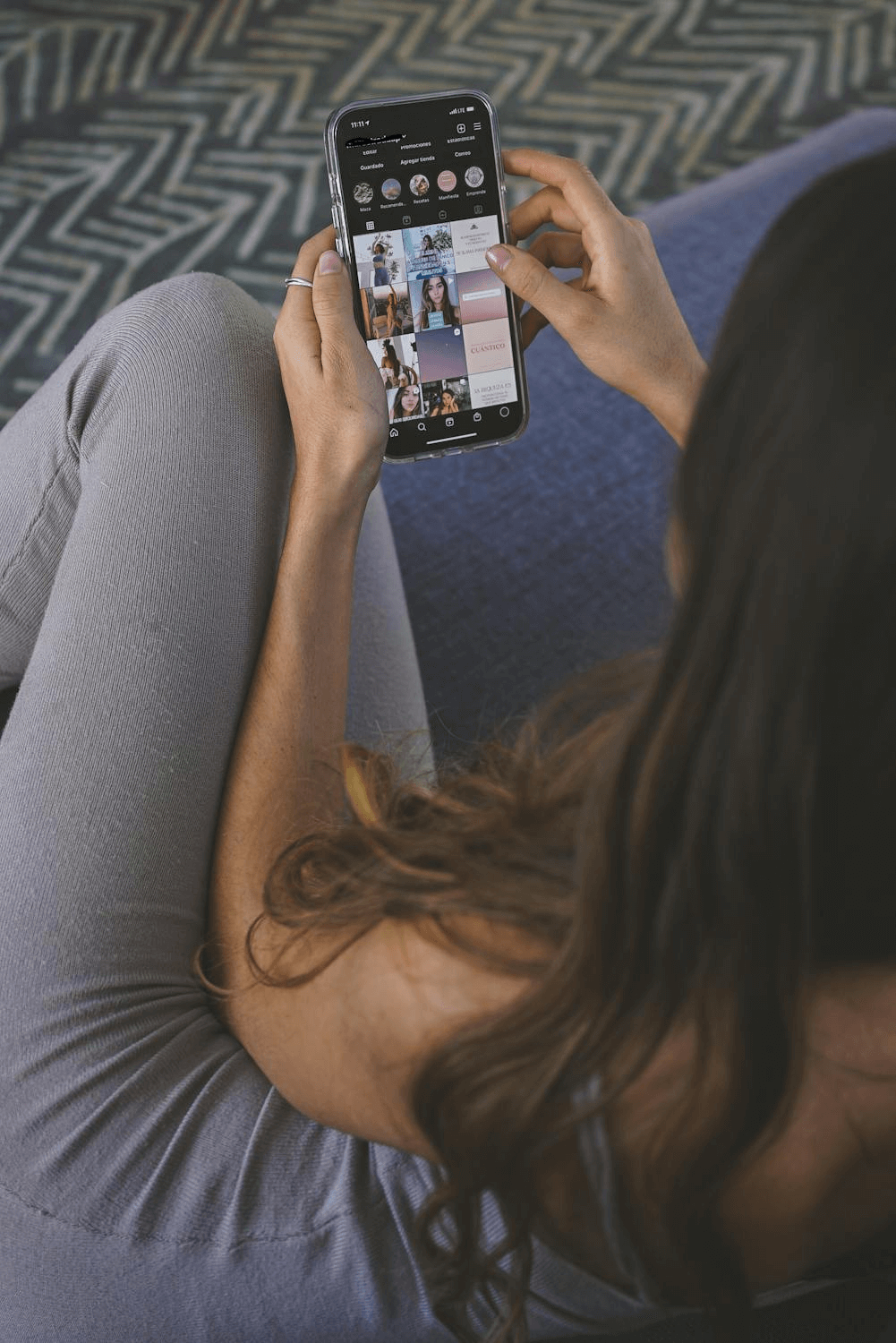
How does social media affect mental health? Social media plays an integral role in daily life, shaping how people connect, share, and consume information. As of January 2019, the global population was approximately 7.7 billion, with 3.397 billion actively using social media (Smith, 2019). Its growing influence has sparked a crucial debate: Is social media bad for mental health, or does it offer benefits?
Studies suggest both positive and negative impacts. On one hand, excessive use can contribute to anxiety, depression, and low self-esteem, particularly among teens; how does social media affect mental health in teens? Research found that using social media more than three times a day predicted poor mental health and well-being in teens. Additionally, understanding how social media pressures mental health revolves around how it impacts social anxiety, as constant online comparisons and digital validation create pressure.
However, social media also fosters support communities, mental health awareness, and self-expression. Understanding how social media pressures mental health is key to using it wisely. This article explores how does social media affect mental health, its risks, benefits, and strategies for maintaining a balanced digital life.
Relevant blog to read: How to Deal with Jealousy
The Psychological Effects of Social Media
Social media’s influence is a topic of ongoing debate on how does social media affect mental health. While it connects people and provides valuable resources, it also contributes to anxiety, depression, and self-esteem issues. Here’s a breakdown of how does social media affect mental health:
Negative Effects
- Increased Anxiety & Depression
- How social media pressures mental health: Constant exposure to curated lifestyles can lead to social comparison, making users feel inadequate.
- Cyberbullying and negative comments increase stress and emotional distress.
- Doom scrolling (endless scrolling through negative news) heightens anxiety.
Relevant blog to read: Do I Have Social Anxiety?
- Sleep Disruptions
- Does social media affect mental health through sleep loss? Yes—excessive screen time before bed suppresses melatonin, leading to poor sleep.
- Sleep deprivation is linked to mood swings and heightened stress levels.
Relevant blog to read: How to Get More Deep Sleep
- Social Isolation vs. Connection
- More screen time often means less real-life interaction, increasing feelings of loneliness.
- How social media increases social anxiety: Fear of missing out (FOMO) and online validation-seeking can make real-life interactions feel overwhelming.
- Self-Esteem Issues
- Is social media bad for mental health regarding body image? Yes, it might promote unrealistic beauty and lifestyle standards, causing insecurity.
- Frequent exposure to edited photos and idealized lives fuels low self-worth.
Relevant blog to read: 150 Law of attraction affirmations
Potential Benefits
- Support Networks
- Social media fosters online communities where people share experiences and support each other through mental health struggles.
- Educational Resources
- Provides access to self-care tips, therapy advice, and mental health awareness content.
- Creative Expression & Advocacy
- A space for storytelling, art, and activism, allowing individuals to share their journeys and advocate for mental health awareness.
Balancing Social Media for Mental Well-being
While social media has risks, mindful usage—such as limiting screen time, curating positive content, and engaging in meaningful interactions—can help maintain a healthier relationship with digital platforms. Therefore, limiting how does social media affect mental health.
How Does Social Media Affect Mental Health in Teens & Young Adults
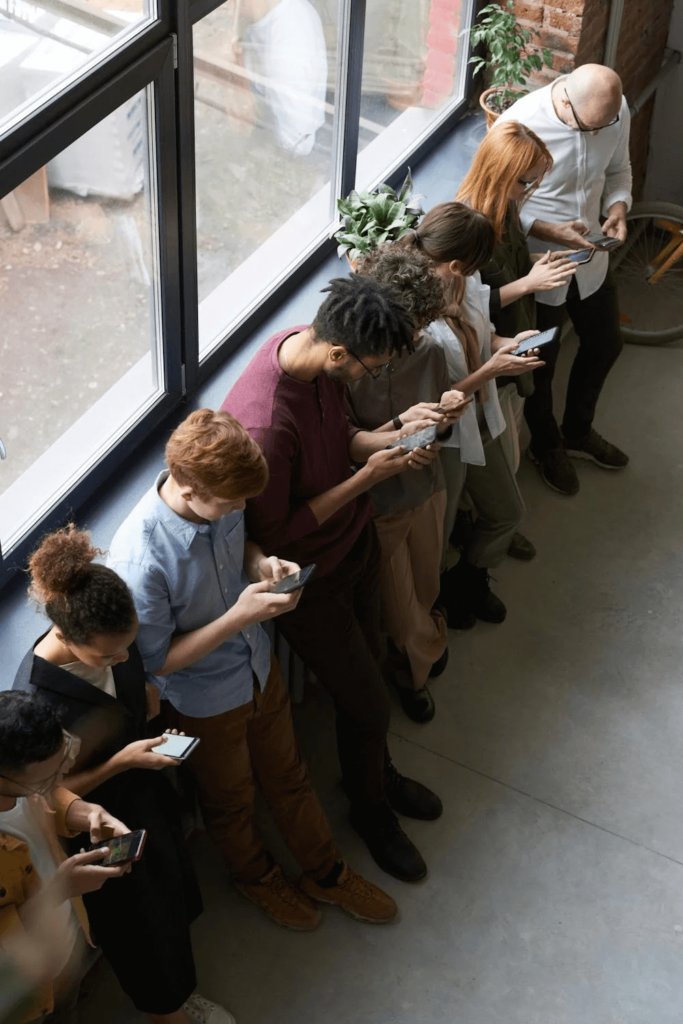
Social media is a double-edged sword for teens and young adults. While it offers connection and self-expression, its overuse is increasingly linked to how social media affects mental health. From heightened anxiety to addictive behaviors, social media’s influence on young minds is undeniable.
Teen Mental Health Risks
In a study focusing on 12- to 15-year-olds in the United States, spending approximately three hours a day on social media platforms was linked to a higher risk of mental health concerns. Constant exposure to idealized lives on social platforms can lead to low self-esteem and a negative self-image. Many young users compare their daily lives to the carefully curated highlights of influencers and peers, often feeling inadequate in the process.
Relevant blog to read: How to Deal with Jealousy
Peer Pressure & Cyberbullying
Unlike traditional peer pressure, social media amplifies expectations in a more persistent and public way. How social media increase social anxiety is evident in the constant need for likes, comments, and validation. Teens often feel the urge to maintain an online persona that fits societal standards, leading to stress and anxiety. According to a study by the University of Georgia, higher social media addiction scores, more hours spent online, and identifying as male significantly predicted cyberbullying perpetration in adolescents.
FOMO (Fear of Missing Out)
How does social media affect mental health by triggering FOMO? Absolutely. Seeing friends at parties, traveling, or achieving milestones can make users feel left out or not good enough. This psychological stress heightens social anxiety and reinforces a constant need to check notifications to stay updated.
Addictive Design & Endless Scrolling
Social media platforms use algorithms designed to maximize user engagement. The endless scroll, autoplay features, and push notifications keep users hooked for longer than intended. This not only disrupts sleep and productivity but also reinforces compulsive behavior. Furthermore, excessive social media use is associated with compulsive behavioral patterns, heightened stress levels, and decreased face-to-face social interactions. These effects contribute to how does social media affect mental health including digital dependency, increasing susceptibility to anxiety and social withdrawal.
Finding a Healthy Balance
To protect teen mental health, setting boundaries, limiting screen time, and curating a positive online environment are essential. Social media isn’t inherently harmful, but its overuse—especially among impressionable young minds—can take a toll. Mindful consumption is key to maintaining mental well-being in the digital age and restricting how social media increase social anxiety.
How to Use Social Media for Better Mental Health
Social media can be a powerful tool for connection and learning, but excessive or unintentional use can take a toll on mental health. To create a healthier digital experience, it’s essential to be mindful of how and why we engage with social platforms. Here are some practical ways to use social media more intentionally:
Set Time Limits
One of the biggest challenges with social media is losing track of time. Platforms are designed to keep users scrolling, which can lead to increased anxiety, reduced productivity, and poor sleep. To combat this, use app trackers or digital well-being settings to monitor screen time. Setting daily limits to up to 3-4 hours helps maintain a healthy balance between online and offline life.
Curate Your Feed
What we consume online affects our mindset. If certain accounts trigger anxiety, self-doubt, or comparison, it’s time to unfollow or mute them. Instead, surround yourself with uplifting content that inspires and empowers you. Social media should be a space that adds value to your life, not one that diminishes your self-worth.
Engage Mindfully
Mindless scrolling can lead to increased stress and social anxiety. Instead of passively consuming content, focus on meaningful interactions. Engage in discussions, share positive messages, and connect with people who uplift you. Prioritizing quality over quantity helps make social media a tool for growth rather than a source of stress.
Practice Digital Detoxes
Spending too much time online can affect sleep patterns, productivity, and overall mental well-being. Schedule social media-free days or set boundaries, such as avoiding social media an hour before bed to improve sleep quality. Taking frequent breaks helps reset your mind and reduces dependence on digital validation.
Use Social Media for Positivity
Rather than letting social media control your emotions, use it as a tool for self-improvement and support. Follow mental health advocates, inspiring content creators, and communities that promote self-care and well-being. Engaging with positive content can transform your feed into a space of motivation and encouragement and limit how does social media affect mental health.
Conclusion: Finding Balance in a Digital World
Mindful social media use is essential for maintaining mental well-being in a digitally driven world. By setting boundaries, curating a positive feed, and engaging with intention, we can reduce anxiety, boost self-esteem, and create a healthier online experience. Instead of letting social media dictate emotions, take control of your digital habits—limit screen time, follow uplifting content, and prioritize real-life connections. When used wisely, social media can be a powerful tool for learning, support, and inspiration. Let it be a space for connection, not comparison, and make your digital world one that uplifts and empowers you while being aware how does social media affect mental health.
Warning Signs of Social Media Burnout
Understanding how social media affects mental health also means learning to spot the moment healthy scrolling tips into harm. Burnout rarely arrives all at once; it builds through subtle shifts in mood, sleep, and self-image that are easy to dismiss until they start affecting daily life. Naming these signals early gives you the power to step back before they take a deeper toll.
- Comparing your life to others leaves you feeling anxious, inadequate, or low.
- You reach for your phone reflexively and feel restless when you cannot.
- Late-night scrolling is eating into your rest and leaving you drained.
If these patterns feel familiar, it may help to explore whether comparison is fuelling deeper worry, as discussed in our guide on recognising social anxiety, and to protect your rest with practical steps for getting more deep sleep.
Frequently Asked Questions
Excessive social media use can lead to anxiety, depression, and low self-esteem, particularly among teens. Understanding its impact can help in creating a healthier digital experience.
Increased Anxiety & Depression – Constant comparison with others can lower self-worth.
Cyberbullying & Peer Pressure – Harassment and unrealistic social expectations cause stress.
Sleep Disruptions – Late-night scrolling affects brain function and mood.
Social Isolation – Excessive screen time reduces real-life interactions.
Addictive Behaviors – Algorithms keep users engaged longer, leading to compulsive scrolling.
Social media shapes self-image influences relationships, and impacts mental well-being. While it fosters global connections, it can also create unrealistic beauty standards, increase social anxiety, and reinforce a need for digital validation.
Social media stimulates the brain’s dopamine system, creating addictive behaviors similar to gambling. Frequent use rewires attention spans, increases impulsivity, and affects sleep cycles, leading to mood swings and stress.
Teens are particularly vulnerable to the pressures of online validation. Fear of Missing Out (FOMO), cyberbullying, and unrealistic lifestyle portrayals contribute to rising mental health concerns among young users.
By taking control of digital habits, we can turn social media into a tool for connection, not comparison, fostering a healthier and more mindful online experience.
Author’s note
Thank you for taking the time to focus on your well-being and for being your own cheerleader in this journey called life. I truly appreciate you for choosing to invest in yourself today, and I’m honored that you spent a part of your day here. Remember, every small step you take matters, and you’re doing an amazing job. Keep going—you’ve got this!



6 Comments