

When we experience stress, trauma, or intense emotion, our bodies do more than just feel it—they hold onto it. The tension in our shoulders, the knot in our stomach, the clenched jaw—these are not just physical reactions; they are the physiological echoes of past experiences. Our nervous system, trained to be in a state of “fight or flight,” can get stuck in a high-alert mode long after a threat has passed. The path to releasing this stored emotional tension often requires more than just talking; it requires a compassionate, conscious reconnection with our body through movement. This blog will explore the profound science of the mind-body connection, explaining how and why emotional pain becomes stored in our muscles and fascia.
We’ll provide a compassionate guide to using movement to release trauma and stress, offering gentle, actionable techniques like dancing and yoga that can help you find healing and resilience from the inside out.
Relevant blog to read: The Power of Stress Resilience – Why It Matters and How to Strengthen It
The Science of a Stressed Body: Why We Store Trauma
The stress response is a survival mechanism. When we face a threat, our sympathetic nervous system floods our body with stress hormones like adrenaline and cortisol. This prepares us to either fight or flee.
- “Fight or Flight” Freeze: In moments of extreme stress or trauma, especially when we can’t fight or flee, the body’s response can go into a “freeze” state. This freeze response is often accompanied by a rigidness in the body, a holding of breath, and a deep, physiological tension.
- The Body’s Unfinished Business: According to trauma experts like Dr. Bessel van der Kolk, this physical response doesn’t just disappear. The energy and muscle tension from a traumatic event can remain locked in our bodies, particularly in the nervous system, leading to chronic anxiety, muscle tension, and emotional reactivity.
- The Body’s Story: This is why our bodies “remember.” A sudden loud noise might cause a person with trauma to jump, not just from the sound, but from the stored energy of a past traumatic event. Conscious movement is a way of completing the physical cycle of the stress response, allowing the body to finally release the tension.
4 Gentle Movements to Release Emotional Tension
The key to using movement to release trauma and stress is to choose gentle, compassionate movements that feel safe and empowering, not demanding or intense. The goal is to listen to your body, not to force it.
1. Mindful Movement and Conscious Breathing
This is a foundational practice that combines awareness with gentle motion.
- How to do it: Stand or sit comfortably. Take a moment to notice how you are feeling in your body. Start with a gentle movement—a simple wrist roll, a shoulder shrug, or a slow neck stretch. Coordinate the movement with your breath. Inhale as you lift your shoulders to your ears, exhale as you release them down.
- Why it works: By focusing on the sensations of your body and your breath, you are bringing your awareness back to the present moment, which is the foundation of emotional regulation.
Relevant blog to read: Breathing Techniques to Strengthen Immunity
2. Gentle Yoga and Stretching
Yoga is a powerful tool for connecting the mind and body. The poses (asanas) and conscious breathing help to release physical tension and calm the nervous system.
- How to do it: Start with gentle, restorative poses like Child’s Pose, Cat-Cow, or a simple forward fold. Hold each pose with a gentle breath, focusing on the sensations of stretching and release. Do not push through pain.
- Why it works: These gentle movements help to release tension stored in the hips, shoulders, and spine, which are common areas for the body to hold onto stress.
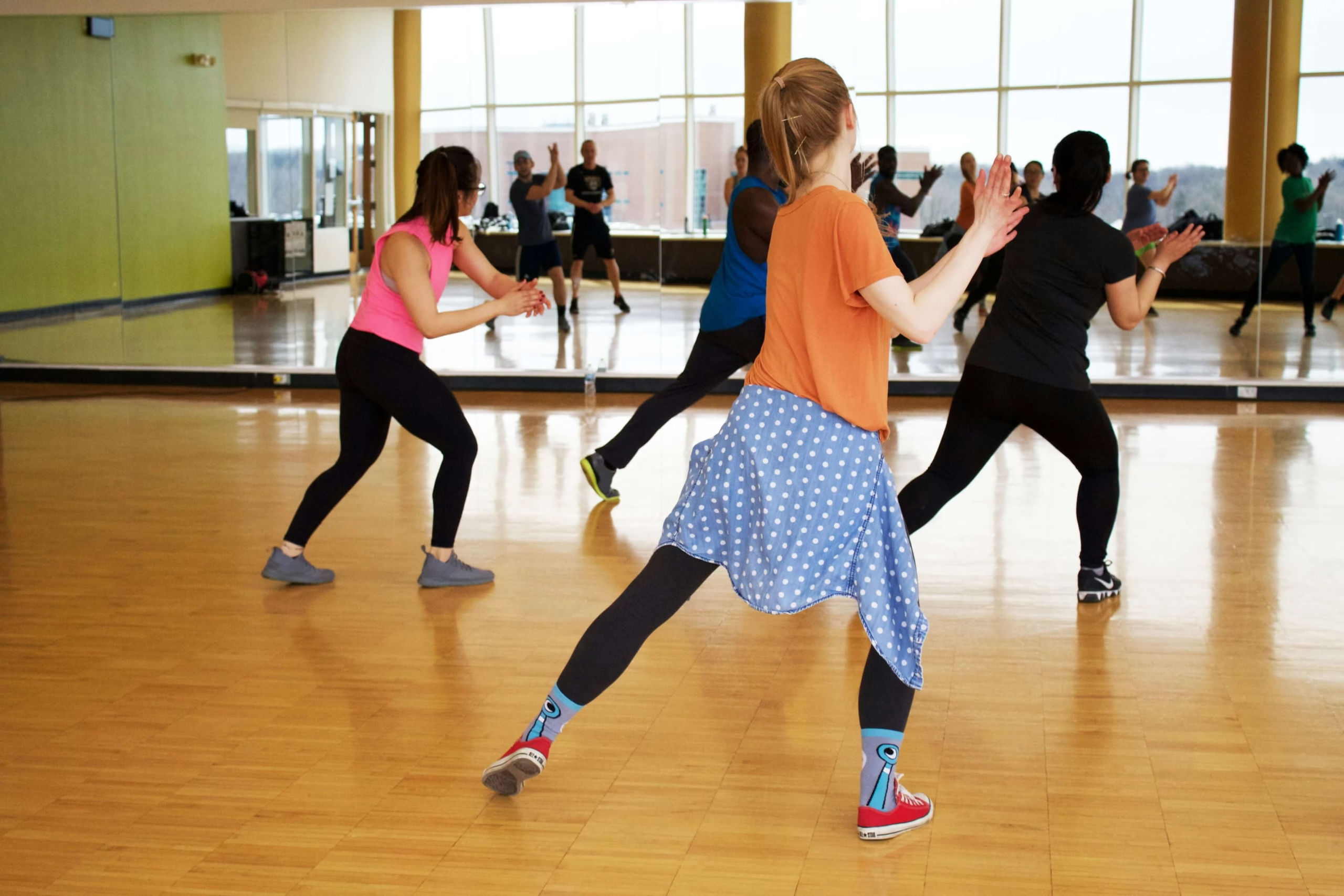
3. Intuitive Dance and Free Movement
This is a playful, non-judgmental way to release emotional energy that is stored in the body.
- How to do it: Put on a song that makes you feel good. Close your eyes and just move your body in whatever way feels natural. There is no right or wrong way to move. Just let your body do what it wants to do.
- Why it works: This is a safe way to release energy without a fixed outcome. It bypasses the analytical mind and allows the body to express and release emotions that may have been suppressed.
Relevant blog to read: The Indivisible Duo: The Deep Connection Between Physical and Mental Health
4. Grounding Exercises
Grounding techniques are essential for bringing you back to the present moment when you feel overwhelmed or triggered.
- How to do it: Stand with your feet firmly planted on the ground. Feel the texture of the floor and the weight of your body. Gently sway back and forth. You can also press your hands together or push against a wall, focusing on the sensations in your muscles.
- Why it works: This practice helps you to connect with the present moment and reminds your body that it is safe and secure.
Well-being Practices that Align
These well-being practices are the long-term allies that support your healing journey, making your body and mind more resilient to stress.
- Mindfulness & Meditation: Regularly practicing mindfulness helps you become more aware of your body’s sensations, allowing you to identify and address emotional tension before it becomes overwhelming.
- Journaling: A powerful tool for emotional processing. Use a journal to write about what you feel in your body, to track your progress, and to write down what movements feel most healing.
- Self-Compassion: Be kind to yourself. The healing journey is not linear. There will be good days and bad days. When you stumble, acknowledge it with compassion and start again.
- Sleep & Nutrition: A healthy, well-rested, and well-nourished body is more resilient to stress. Prioritize consistent sleep, healthy food, and hydration.
- Professional Support: A therapist, especially one who specializes in trauma or somatic experiencing, can provide a safe and structured framework for your healing journey.
Final Thoughts: The Journey Back to You
Your body is a testament to everything you have endured. It is not just a vessel for your mind; it is a repository of your experiences. The path to releasing stress and healing from trauma is not about ignoring your body but about listening to it. By embracing gentle, compassionate movement, you are giving your body a voice and giving yourself the freedom to finally release the past. This journey of self-discovery and physical reconnection is a profound act of self-love, and it is the key to unlocking a future of greater peace, resilience, and joy.
Somatic Movement: Completing the Stress Cycle
One reason using movement to release trauma feels so effective is that it lets the body finish what stress started. When a threat appears, your nervous system mobilises huge amounts of energy to fight or flee. If that energy never gets discharged—because you froze, stayed still, or simply couldn’t act—it stays trapped as tension. Animals in the wild literally shake off this survival energy after a chase. Humans often skip that step, and the charge lingers in the muscles and nervous system.
Somatic movement—gentle shaking, swaying, stretching, or trembling—gives that stored energy a safe exit. You might set a timer for two minutes and let your hands, arms, and legs shake loosely, almost like a dog after a bath. It can feel silly at first, but many people notice a wave of warmth, a spontaneous sigh, or unexpected tears as the body lets go. That is the stress cycle completing itself.
- Start with 1–2 minutes. Let your body shake, bounce, or sway without any choreography.
- Pause and notice. Afterward, stand still and feel the tingling, warmth, or calm settling in.
- Pair it with breath. A long exhale after shaking deepens the release and signals safety.
Relevant blog to read: Exercise for Stress Relief: How Movement Calms the Mind
Frequently Asked Questions
A. Yes. Trauma can get stored in the nervous system. Gentle, conscious movement helps to complete the physical stress response, allowing the body to release the stored emotional tension.
A. It is okay. Start with something very small and gentle. A slow stretch, a deep breath, or even a simple finger wiggle can be a way of getting back in touch with your body. The key is to start small and listen to your body’s needs.
A. No. Any form of gentle, conscious movement can be helpful. This includes dancing, walking in nature, or Tai Chi. The most important thing is to choose a movement that feels safe and empowering to you.
A. Yes. Conscious movement is a powerful complementary practice, but it is not a substitute for professional therapy for trauma. A therapist can provide you with a safe and structured framework for your healing journey.
A. It calms your nervous system and helps to bring you back to the present moment, which is the foundation of emotional regulation.
Author’s note
Thank you for taking the time to focus on your well-being and for being your own cheerleader in this journey called life. I truly appreciate you for choosing to invest in yourself today, and I’m honored that you spent a part of your day here. Remember, every small step you take matters, and you’re doing an amazing job. Keep going—you’ve got this!




3 Comments