

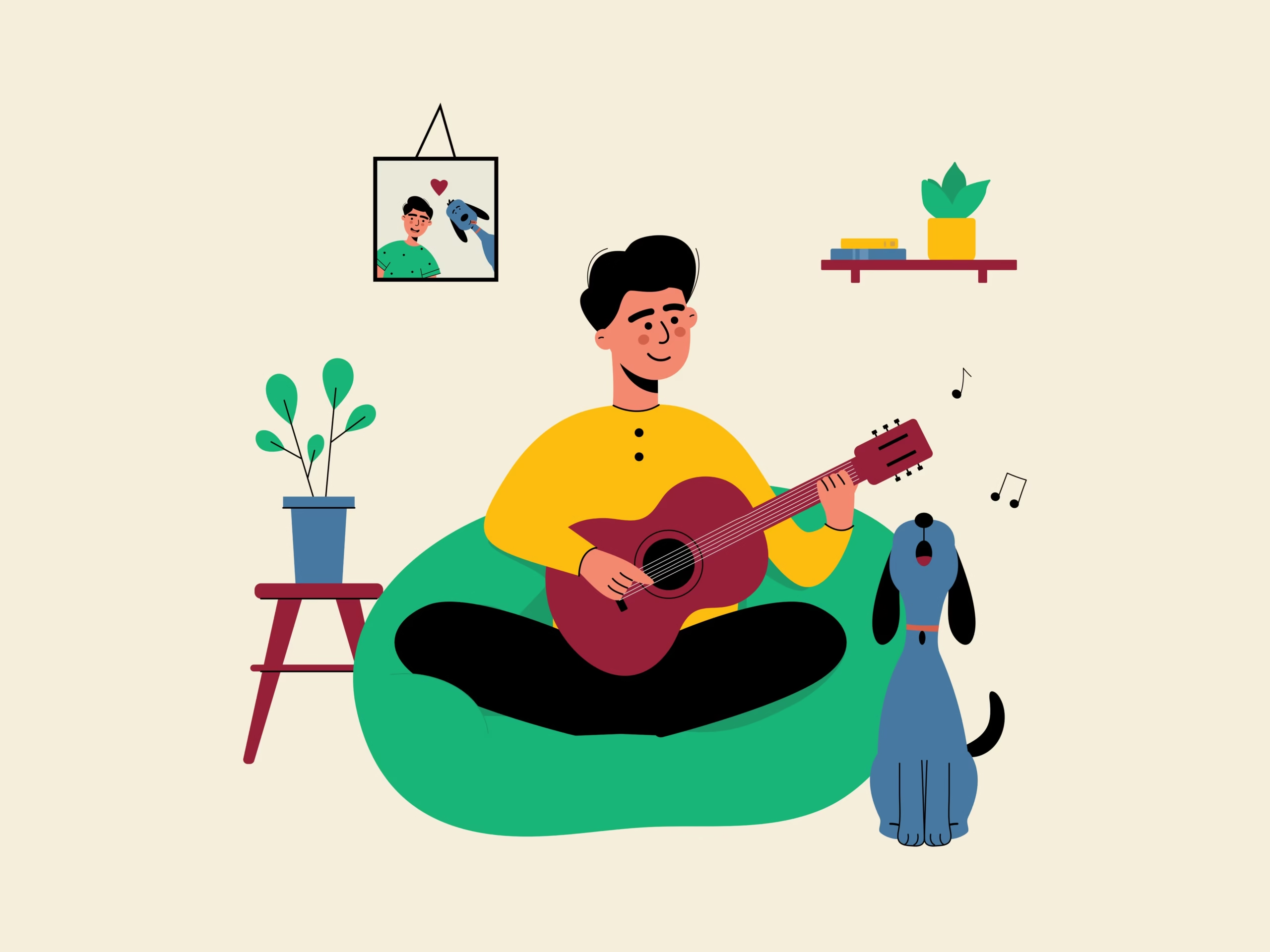
Music is more than just a background soundtrack to our lives; it is a powerful neurological tool that can shift our biochemistry in minutes. From the dopamine hit of a favorite chorus to the cortisol-lowering effects of a slow melody, the relationship between notes and the brain is profound. This guide explores the science behind how music affects mental and emotional health and how you can use it as a functional tool for well-being.
We’ve all felt it—that sudden chill when a powerful song hits its peak or the immediate sense of calm that washes over you during a lo-fi beat. But what is actually happening? Science suggests that music is one of the few activities that involves using the whole brain. It isn’t just entertainment; it’s a biological necessity for emotional regulation.
Relevant blog to read: Empathy Fatigue: Symptoms, Causes, and How to Heal – A Complete Guide
1. The Neurochemistry of a Melody
When we listen to music, our brain becomes a chemical factory. Depending on the rhythm and tone, music triggers the release of several key neurotransmitters:
- Dopamine (The Reward Chemical): When you listen to a “peak” moment in a song, your brain releases dopamine, similar to the feeling of eating great food or achieving a goal.
- Oxytocin (The Connection Hormone): Singing in a group or attending a concert releases oxytocin, which helps us feel bonded and connected to others.
- Cortisol Reduction: Slow, steady music (around 60–80 BPM) has been shown to significantly lower cortisol levels, the body’s primary stress hormone.
2. Music as an Emotional Regulator
Music acts as an “external nervous system.” We often use it to match our current mood (iso-principle) or to shift into a new one.
- Processing Grief: Sad music can actually be healing. It provides a “safe container” for our emotions, allowing us to feel and release sadness without the real-world consequences of the trauma.
- Anxiety Management: Ambient and classical music can lower blood pressure and heart rate. Research has found that the song “Weightless” by Marconi Union was specifically designed to reduce anxiety by up to 65%.
- Focus and Flow: “Alpha wave” music or video game soundtracks (designed to be engaging but not distracting) can help the brain enter a “flow state,” increasing productivity and reducing mental fatigue.
3. The Benefits of Music Therapy
Clinical music therapy is now used to treat a variety of conditions:
- PTSD: Helping survivors find words for feelings that are too difficult to speak.
- Dementia: Music often remains accessible to patients even when language is lost, as musical memory is stored in different parts of the brain.
- Depression: Active music-making (drumming or singing) has been shown to improve self-esteem and reduce symptoms of withdrawal.
How to Create a “Mental Health Playlist”
To use music as a tool, don’t just shuffle. Be intentional:
- The “Hype” List: High-BPM tracks for when you feel lethargic or need to conquer a difficult task.
- The “Release” List: Songs that resonate with your pain. Use these when you feel “stuck” emotionally.
- The “Grounding” List: Instrumental or nature-infused sounds for when your thoughts are racing or you’re experiencing health anxiety.
How to Use Music for Anxiety, Focus, and Sleep
Once you understand how music affects mental and emotional health, you can start using it intentionally rather than by accident. The key is matching the sound to the state you want to reach, then giving your nervous system a few minutes to follow the rhythm.
- For anxiety: choose slow tempos (around 60 BPM) and familiar, predictable melodies to signal safety to your body.
- For focus: instrumental or lo-fi tracks without lyrics reduce distraction while keeping you gently alert.
- For sleep: gradually slow the tempo and lower the volume, letting the last track fade toward silence.
- For low mood: start with music that matches how you feel, then slowly shift toward brighter, warmer tones.
Sound pairs beautifully with other wind-down rituals, too. If racing thoughts keep you up, combining a calming playlist with a mindfulness meditation for sleep can help your mind and body settle together.
Frequently Asked Questions (FAQs)
A. While it doesn’t “cure” injury, music can act as an analgesic. By distracting the brain and releasing endorphins, it can lower the perception of pain, which is why it’s often used in post-surgery recovery.
A. Not necessarily. Research shows that sad music can provide a sense of “empathy” and validation. However, if you find yourself spiraling or ruminating, it may be helpful to slowly transition to more “neutral” or upbeat tracks.
A. The “best” music is highly subjective. While classical is often cited for study, if you hate classical music, it will likely stress you out. The most effective music for your mental health is the music you personally connect with.
A. The ISO-principle involves starting with music that matches your current mood (e.g., angry or sad) and then gradually changing the tempo and tone of subsequent songs to lead you toward a desired state (e.g., calm or happy).
Related Reading
- Mental Health Awareness: From Knowing to Actually Helping
- Mental Health Advocacy: How Young Voices Change Everything
- Mental Health Stigma: How Words Hurt More Than We Know
- Exercise for Mental Health: How Much Is Enough?
Author’s note
Thank you for taking the time to focus on your well-being and for being your own cheerleader in this journey called life. I truly appreciate you for choosing to invest in yourself today, and I’m honored that you spent a part of your day here. Remember, every small step you take matters, and you’re doing an amazing job. Keep going—you’ve got this!



2 Comments