

In a world filled with constant digital noise, finding a mental “reset button” is essential for long-term health. If traditional meditation feels too abstract for you, Color Breathing provides a structured, visual, and highly effective way to reclaim your peace of mind. By merging the physiological power of deep breathing with the psychological impact of color, this technique acts as a fast-acting tool for emotional regulation.
Relevant blog to read: Love Vision Board Ideas: Manifesting Your Relationship in 2026
What is Color Breathing?
Color Breathing is a focused mindfulness practice that involves visualizing a specific color as you inhale and another color as you exhale. This technique is rooted in the concept of color psychology—the study of how different hues influence human behavior and mood.
While standard deep breathing focuses on the air moving through your lungs, Color Breathing adds a layer of mental imagery that occupies the visual cortex. This helps prevent intrusive thoughts from breaking your concentration, making it one of the most accessible forms of meditation for beginners.
How Color Breathing Helps with Stress Relief
The practice of Color Breathing goes beyond simple relaxation; it triggers specific biological and psychological shifts:
- Activates the Parasympathetic Nervous System: By slowing down the breath, you signal your brain to stop producing stress hormones like cortisol and adrenaline.
- Cognitive Displacement: Stress often stems from cyclical thoughts. When you focus on the vibrancy and movement of a specific color, you displace those stressful thoughts with a neutral, calming visual.
- Mind-Body Connection: It encourages a “body scan” mentality, helping you identify where tension is held and “breathing” a healing color directly into that area.
The Importance of Colors in Your Practice
When practicing Color Breathing, the color you choose should align with the emotion or state you wish to achieve. Here is a deterministic guide to the most common colors and their importance:
- Blue for Tranquility: Blue is the most popular choice for Color Breathing. It is a cooling color that helps lower blood pressure and heart rate. Use Blue when you feel overwhelmed, angry, or overstimulated.
- Green for Emotional Balance: Representing nature and growth, Green is the color of healing. It is particularly useful when you feel emotionally “shook” or are recovering from a physical ailment.
- Yellow for Mental Clarity: Yellow stimulates the intellect and clears “brain fog.” Use it when you need to focus on a difficult project or when you are struggling with indecision.
- Red for Physical Vitality: Red is a grounding color. If you feel lethargic, weak, or disconnected from reality, breathing in a vibrant Red light can help you feel more “present” and energized.
- Pink for Self-Compassion: Pink is associated with soft, nurturing energy. Use this color when you are being too hard on yourself or need to practice forgiveness toward yourself or others.
- Orange for Creative Energy: Orange is the color of enthusiasm. It helps break through creative blocks and encourages a sense of joy and playfulness.
Step-by-Step: How to Practice Color Breathing
To ensure success, follow this deterministic routine. You only need five minutes to see results.
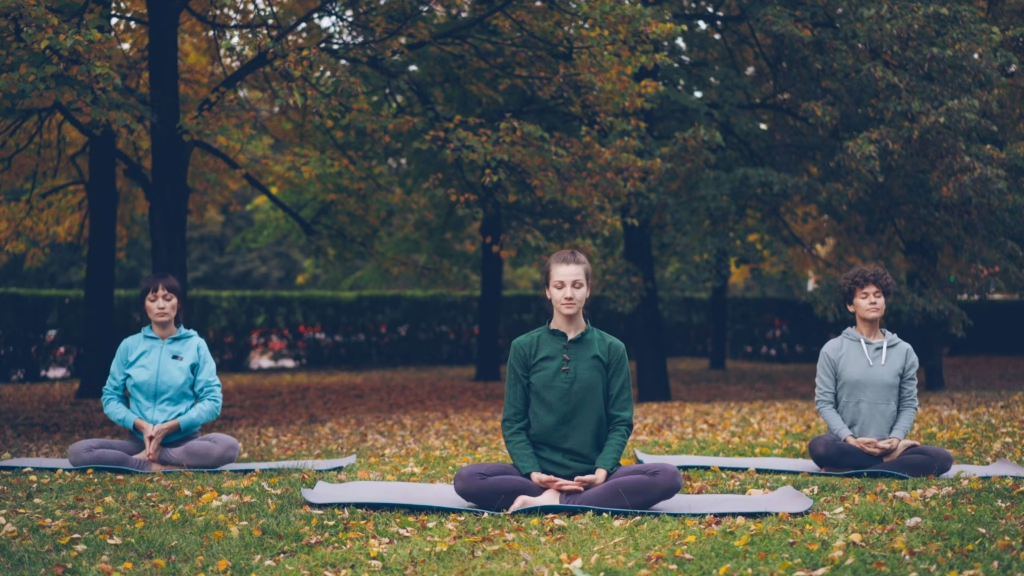
- Preparation: Sit or lie down in a comfortable position. Loosen any tight clothing and close your eyes to minimize external distractions.
- The Inhalation: Breathe in deeply and slowly through your nose. Visualize a bright, glowing mist of your chosen color (e.g., a serene Sky Blue) entering your body. Imagine it filling your chest, stomach, and even your fingertips.
- The Pause: Hold your breath for two to three seconds. In this moment, imagine the color “washing” through your cells, neutralizing any stress or tension it touches.
- The Exhalation: Breathe out slowly through pursed lips. Visualize your stress, anxiety, or fatigue leaving your body in the form of a dark, muddy grey or black smoke.
- The Disappearance: Watch the “dark smoke” of your exhale drift away and vanish into the distance, leaving only the vibrant color inside you.
- Repetition: Continue this for 10 to 15 breath cycles. With each breath, the color you inhale should become brighter, and the smoke you exhale should become lighter.
Tips for Success with Color Breathing
- Texture Matters: Don’t just see the color; feel it. Imagine the Blue mist is cool like water, or the Yellow light is warm like sunlight.
- Consistency is Key: Practice Color Breathing at the same time every day—ideally right after waking up or just before a stressful meeting.
- Use Visual Aids: If you find visualization difficult, look at a solid block of your chosen color on your phone or a piece of paper for 30 seconds before closing your eyes to begin your practice.
Frequently Asked Questions (FAQs)
A. You can experience benefits in as little as 2 minutes (about 10 breaths). For deeper stress relief, aim for a 10-minute session.
A. It is best to stick to one “healing” color for the inhale to keep your focus sharp. Using too many colors at once can make the visualization feel cluttered and less effective.
A. Visualization is a skill that improves with time. Even if you only “think” the name of the color without seeing a vivid image, your brain will still respond to the psychological association of that color.
A. Yes, it is a non-invasive mindfulness tool. However, if you have a respiratory condition, always ensure you are breathing at a pace that feels comfortable and never force yourself to hold your breath for too long.
Author’s note
Thank you for taking the time to focus on your well-being and for being your own cheerleader in this journey called life. I truly appreciate you for choosing to invest in yourself today, and I’m honored that you spent a part of your day here. Remember, every small step you take matters, and you’re doing an amazing job. Keep going—you’ve got this!
One Comment