

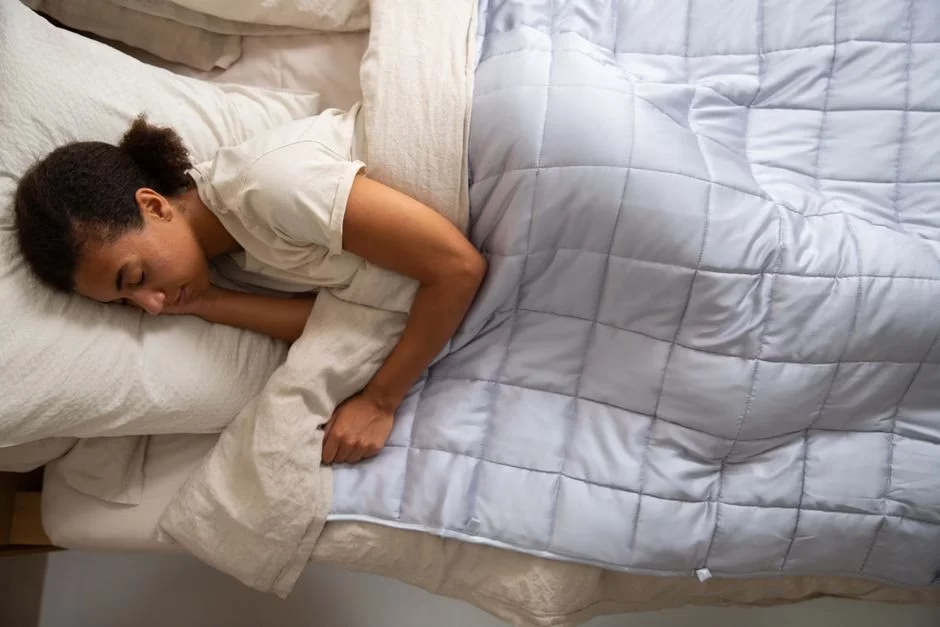
You close your eyes exhausted, finally drift off — and then wake up at 3am with your heart already racing and your thoughts halfway through tomorrow’s worst-case scenarios. Sound familiar? You went to bed tired. You needed sleep. So why does morning still feel like dread?
The answer might not be about how long you slept. It might be about which part of sleep you actually got. There’s a specific stage of sleep — deep sleep, also called NREM slow-wave sleep — that works like a quiet overnight mechanic for your anxious brain. And most people have never heard of it. This post will walk you through what deep sleep anxiety reduction really means, why it matters more than your total hours in bed, and what small changes could genuinely help you wake up feeling calmer.
Relevant blog to read: How to Get More Deep Sleep
Table of contents
The Sleep Stage That Actually Calms Anxiety
Most of us grew up thinking sleep was just… sleep. Eight hours good, six hours bad, simple as that. But your brain doesn’t see it that way. Sleep happens in cycles, and each stage does something completely different. The one that matters most for anxiety is deep sleep — and it does something almost miraculous.
Researchers at UC Berkeley found that deep sleep (NREM slow-wave sleep) physically reorganises the connections in your brain overnight, reducing anxiety levels by up to 30%. Think of it like your brain filing away the emotional weight of the day, loosening the grip of worry while you rest. It’s not a metaphor — the brain is genuinely rewiring itself while you’re in that deep, still, dreamless sleep.
Here’s why that matters so much: when you don’t reach deep sleep — even if you’re technically in bed for eight hours — your brain misses that nightly reset. The emotional filing doesn’t happen. The worry from yesterday carries straight into today, sitting right at the surface before you’ve even had breakfast.
- What deep sleep is: The slowest, most restorative stage of sleep, where your body temperature drops, your heart rate slows, and your brain produces slow, rhythmic waves.
- Why it works for anxiety: During this stage, the brain’s emotional processing centres calm down, stress-related activity quiets, and neural connections linked to worry and fear are literally reorganised.
- How to get more of it: Deep sleep tends to happen most in the first half of the night — which means going to bed consistently at the same time each night, rather than staying up late and sleeping in, gives your brain the best chance of reaching it early and often.
What Happens to Anxiety When Sleep Goes Wrong
You know that feeling after a really bad night — where everything feels slightly too big? Small problems feel catastrophic. Someone’s tone of voice feels like a personal attack. That’s not just tiredness. That’s your brain operating without its emotional buffer.
The same UC Berkeley research found that even a single sleepless night can trigger a 30% rise in anxiety levels. One night. That’s how closely your anxiety is tied to what happened — or didn’t happen — while you were asleep.
And here’s where it gets a little circular, in the most frustrating way. Anxiety makes it harder to fall asleep. Racing thoughts, a tense body, a mind that won’t stop rehearsing conversations — all of that keeps you out of the deep sleep your brain so badly needs. Then, because you didn’t get enough deep sleep, your anxiety is worse the next day. Which makes it even harder to sleep that night. And so it goes.
This isn’t just bad luck or a personality flaw. Anxiety and poor sleep share overlapping circuitry in the brain — each one actively cranking up the volume on the other. That’s why telling yourself to simply “worry less” or “just get more sleep” never seems to stick. You have to interrupt the loop, not just one end of it.
How Short Sleep Duration Raises Your Anxiety Risk
If you’re regularly sleeping less than seven hours, your anxiety risk climbs significantly — and the numbers are stark. A large national study of over 13,000 US adults found that people sleeping less than five hours a night had a 138% higher risk of anxiety symptoms compared to those getting seven to nine hours. That’s not a small difference. That’s more than double the risk.
Even sleeping five to seven hours — which many people consider a normal working week — showed a meaningful increase in anxiety risk. So if you’ve been running on six hours and wondering why you feel so on edge, your sleep might be a bigger piece of that puzzle than you’d think.
What this research makes clear is that there’s a floor. Below a certain amount of sleep, your brain simply cannot do the emotional maintenance it needs. The deep sleep anxiety reduction process requires enough time to actually happen — and when you cut sleep short, deep sleep is often the first thing that gets sacrificed.
The Truth About Alcohol and Sleep (It’s Not What You Think)
This is one of the most common misconceptions around, and it’s worth addressing gently — because a lot of people reach for a drink in the evening to take the edge off anxiety and help them wind down. It makes sense. Alcohol is a sedative. It slows things down. It feels like it’s helping.
But here’s what’s actually happening: alcohol suppresses REM sleep — the stage where your brain does its heaviest emotional processing — and splinters the natural architecture your sleep cycle depends on. You go under fast, but you never really go deep. You surface too early, drift restlessly, and by 4am your nervous system is dealing with a rebound effect that leaves it more activated than before you even closed your eyes.
That post-drinking morning anxiety some people notice — sometimes called “hangxiety” — isn’t just in your head. It’s your brain reacting to a night of disrupted sleep and the way alcohol affects the chemical systems that regulate both sleep and mood. So if you’re using alcohol to manage anxiety at night, it may actually be quietly making the daytime harder.
Deep Sleep Anxiety Reduction Techniques You Can Try Tonight
The good news is that your sleep quality isn’t fixed. There are real, practical things you can do to help your brain reach deep sleep more reliably — and give that overnight anxiety-reset process the best chance to work. None of these require a prescription or a perfect life. They just require consistency.
- Go to bed and wake up at the same time every day. Even on weekends. Your brain loves rhythm. A consistent schedule helps you reach deep sleep earlier in the night, when it’s most restorative.
- Cool your bedroom down. Your body temperature naturally drops as you enter deep sleep. Keeping your room around 65°F (18°C) supports that process. If your feet are cold, wearing socks can actually help your body regulate temperature and fall asleep faster.
- Dim the lights an hour before bed. Turn off screens too. The blue light from phones and laptops tells your brain it’s still daytime, which delays the natural wind-down process.
- Skip caffeine after 1pm. Caffeine has a longer half-life than most people realise — it can still be active in your system six hours later, making it harder to reach deep sleep.
- Try a calming wind-down routine. Deep breathing, gentle mindfulness, or a quiet guided imagery practice before bed can help quieten a racing mind. The reason this works isn’t magic — it’s that slow, deliberate breathing activates your body’s calming system, making the transition into deep sleep smoother.
- If you can’t sleep, get up. Lying in bed anxious about not sleeping actually trains your brain to associate bed with stress. Get up, do something quiet and unstimulating until you feel genuinely sleepy, then go back.
These aren’t quick fixes — they’re small, repeatable habits that, over time, genuinely shift how well your brain sleeps and, in turn, how your anxiety feels day to day. Starting with just one or two is completely enough.
Frequently Asked Questions
Deep sleep — also called NREM slow-wave sleep — is the most powerful stage for reducing anxiety. During this stage, your brain physically reorganises its connections and processes emotional stress from the day. UC Berkeley researchers found it can reduce anxiety levels by up to 30% overnight. It tends to happen most in the first half of the night, which is why a consistent bedtime really does make a difference.
When you don't sleep enough, your brain loses access to its overnight emotional reset. The part of your brain that processes fear and stress becomes overactive, while the part that keeps it in check gets quieter. Even one poor night can raise anxiety levels significantly. Over time, regularly sleeping less than seven hours can more than double your risk of experiencing anxiety symptoms, according to a large national study of US adults.
It feels like it helps — but it doesn't, not really. Alcohol is a sedative, so it can make you fall asleep faster. But it blocks REM sleep and disrupts the natural sleep cycles your brain needs to process emotions overnight. The result is that anxiety symptoms are often worse the morning after drinking, not better. Many people notice a distinct increase in anxious feelings the day after alcohol, even with a full night in bed.
Seven to nine hours is the range where anxiety risk drops most clearly. A large study found that sleeping less than five hours raised anxiety risk by 138% compared to those in the seven-to-nine hour range. But hours alone aren't the whole story — the quality of your sleep, and specifically whether you're reaching deep sleep, matters just as much as how long you're in bed.
Waking up anxious after what feels like a full night is more common than you might think, and it doesn't mean you're broken. It's worth considering whether you actually reached deep sleep — alcohol, inconsistent bedtimes, a warm room, or late-night screen use can all reduce sleep quality without reducing total hours. If racing thoughts regularly pull you awake, that cycle of anxiety disrupting sleep — and poor sleep worsening anxiety — may be at play.
Author’s note
Thank you for taking the time to focus on your well-being and for being your own cheerleader in this journey called life. I truly appreciate you for choosing to invest in yourself today, and I’m honored that you spent a part of your day here. Remember, every small step you take matters, and you’re doing an amazing job. Keep going—you’ve got this!
How to Protect Your Deep Sleep for Lasting Anxiety Reduction
Deep sleep anxiety reduction only works if your body actually reaches that slow-wave stage — and modern life is full of small habits that quietly rob you of it. Protecting deep sleep is less about doing more and more about removing the things that fragment it.
- Keep a steady schedule. Your deepest sleep is front-loaded early in the night, so a consistent bedtime protects the stage that calms your anxious brain most.
- Cool and darken the room. A slightly cooler, darker space nudges the body into deeper, more restorative sleep.
- Wind down on purpose. A calm pre-sleep routine signals safety to a nervous system that’s been on alert all day.
If you want a fuller toolkit, it’s worth exploring practical ways to get more deep sleep so more of your night is spent in the stage that does the quiet repair work. Better deep sleep tonight often means a noticeably calmer tomorrow.




4 Comments