

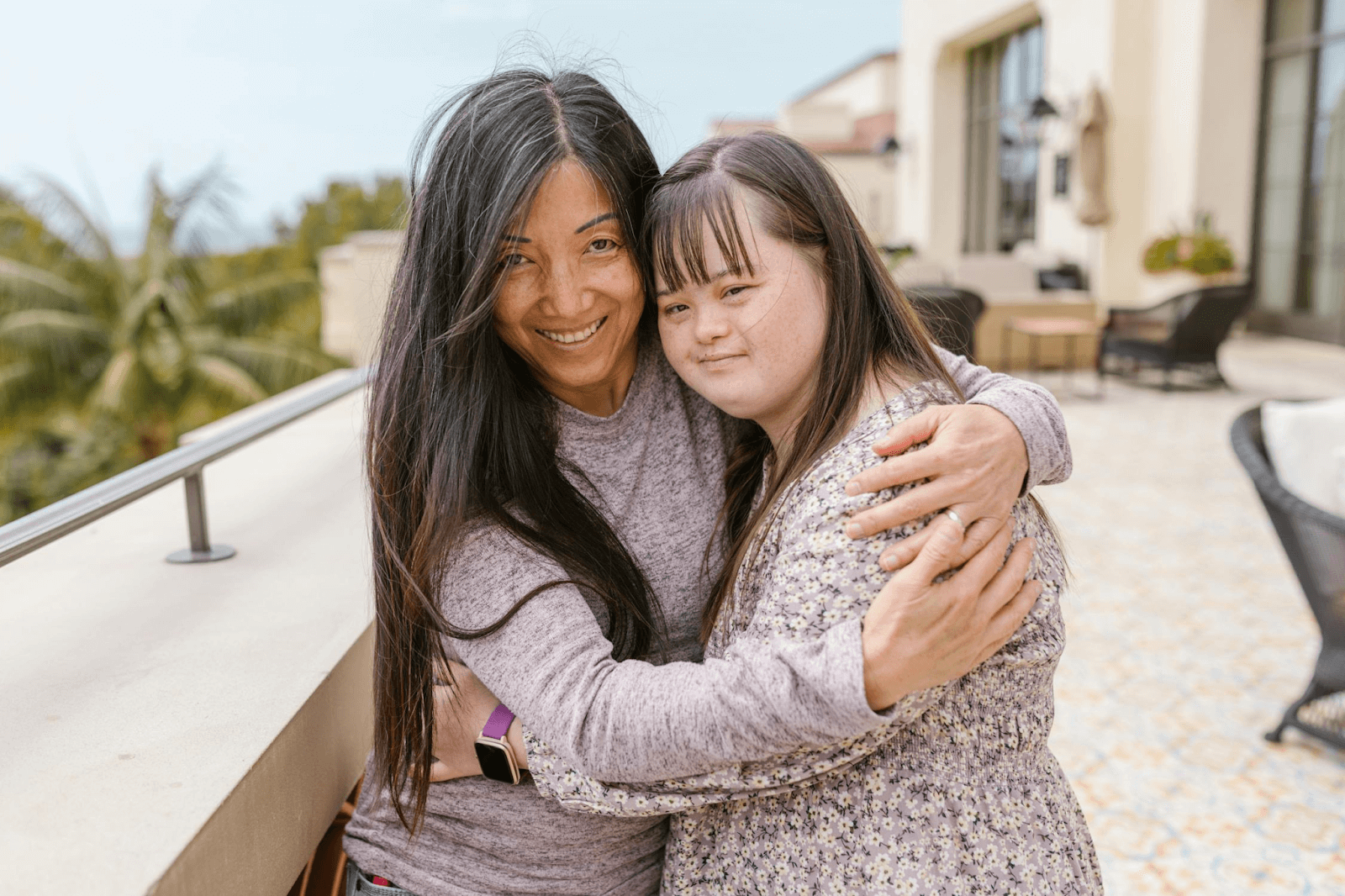
ADHD (Attention-Deficit/Hyperactivity Disorder) is a neuro-developmental condition affecting focus, impulse control, and activity levels. While often linked to children, it persists into adulthood, impacting daily life. ADHD symptoms in women often manifest as inattention, forgetfulness, and emotional overwhelm in adulthood. Usually, contrasts with the hyperactivity seen more commonly in men. Women may mask their struggles due to societal expectations. Thereby, making ADHD in women symptoms harder to detect and often overlooked.
Relevant blog to read: Positive Affirmations for Women to Empower and Inspire Daily Confidence
Why Recognizing ADHD in Women Matters
Identifying symptoms of ADHD in women is key to improving their mental health and overall quality of life. Left untreated, adult ADHD symptoms in women can lead to anxiety, low self-esteem, and burnout. Early recognition and support enable women to manage their symptoms effectively. Thus, leading to a more balanced and fulfilling life.
Awareness of ADHD symptoms can drive better diagnosis and empower them to thrive.
Why ADHD Symptoms in Women Are Overlooked
ADHD symptoms in women are often overlooked due to societal expectations and gender norms. Women are traditionally expected to be organized and nurturing. Expecting them to manage multiple responsibilities can lead them to mask or internalize their struggles. Symptoms of ADHD in adult women include:
- Forgetfulness
- Disorganization
- Difficulty focusing
Unlike men, who often display hyperactivity and impulsivity, ADHD in adult women symptoms tend to be more subtle and internalized. Women with ADHD may struggle with chronic anxiety, low self-esteem, and perfectionism. These internal battles make adult ADHD symptoms in women harder to recognize. Thereby, often leading to a delayed or missed diagnosis.
The impact of undiagnosed ADHD in women is profound. Symptoms of ADHD include difficulty managing daily responsibilities, strained relationships, and emotional exhaustion. Left unaddressed, these challenges may lead to missed opportunities for personal and professional growth. Further, evoking feelings of inadequacy and self-doubt.
Raising awareness of symptoms of ADHD in women is crucial for timely diagnosis. By recognizing these unique challenges, we can help women access the support they need to thrive and reclaim control over their lives.
Common ADHD Symptoms in Women
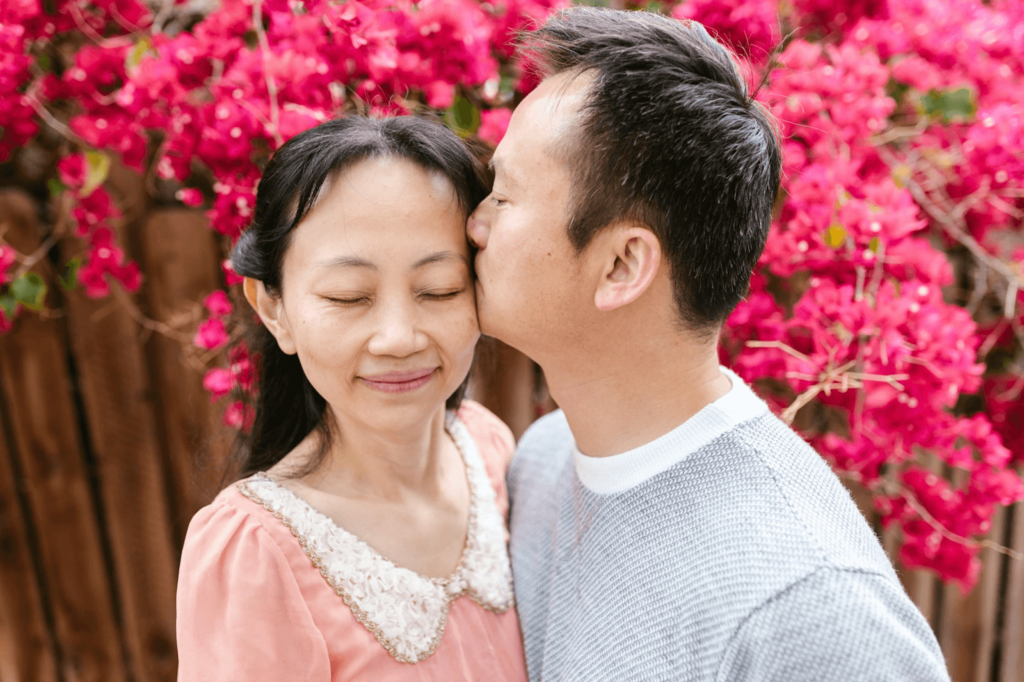
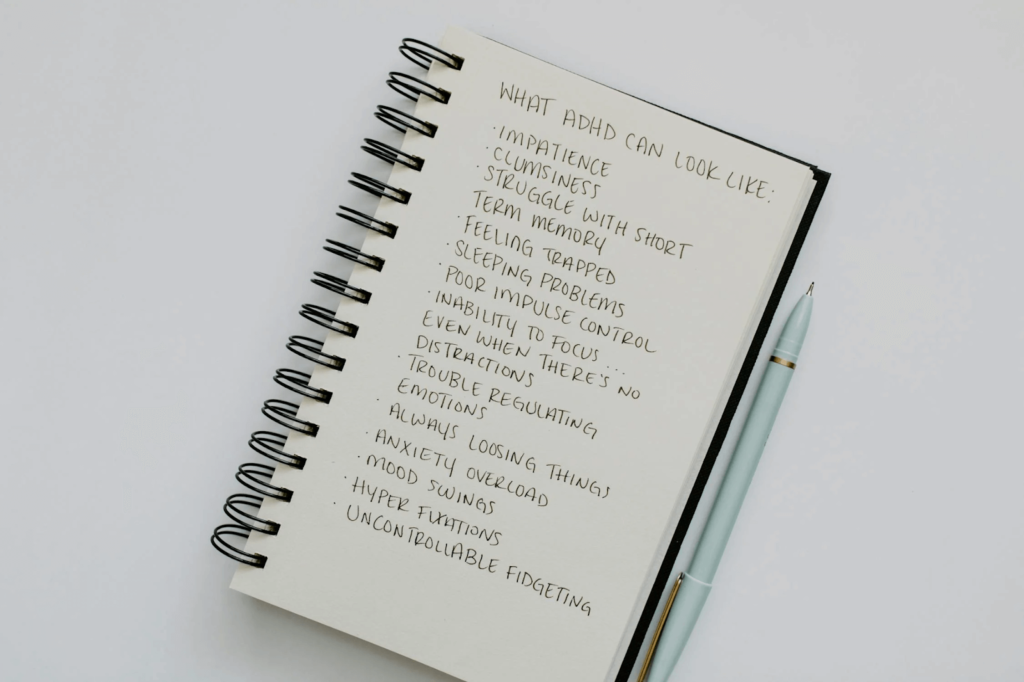
ADHD in adult women often presents differently than in men. Therefore, making it challenging to recognize. Symptoms manifest across various aspects of life. Thus, influencing emotional health, cognitive function, physical well-being, social interactions, and workplace performance. Understanding these symptoms in categories can provide a clearer picture of how ADHD impacts women.
Emotional and Mental Health Symptoms
- Chronic Stress and Overwhelm
Women with ADHD often feel overwhelmed by daily responsibilities. The constant struggle to stay on top of tasks can lead to chronic stress and burnout. - Difficulty Regulating Emotions
Frequent mood swings and emotional outbursts are common symptoms of ADHD in adult women. Women may overreact to situations or struggle to calm down after a stressful event. - Persistent Feelings of Inadequacy
Many women with ADHD experience feelings of shame or inadequacy. Thereby, fueled by societal pressures and the difficulty of meeting expectations. These emotions can lead to low self-esteem and anxiety.
Cognitive Symptoms
- Trouble Focusing or Completing Tasks
A hallmark of ADHD in women symptoms is difficulty concentrating on tasks. Especially those requiring sustained mental effort. Distractions can derail progress, leading to unfinished work. - Forgetfulness and Disorganization
Symptoms of ADHD often include forgetting appointments, misplacing items, or struggling to keep spaces organized. This constant disorganization can feel chaotic and stressful. - Difficulty Managing Time
Women with ADHD frequently struggle to prioritize tasks, meet deadlines, or stick to schedules, exacerbating feelings of inadequacy.
Physical Symptoms
- Restlessness or Inability to Relax
Adult ADHD symptoms in women can include a sense of restlessness, such as feeling unable to sit still or relax. This can manifest as fidgeting or always needing to stay busy. - Fatigue from Compensating
Women with ADHD often expend significant energy masking their struggles or overcompensating to appear “normal,” leading to exhaustion.
Social and Relational Symptoms
- Challenges Maintaining Relationships
Difficulty managing time and staying organized can affect friendships and romantic relationships. Women with ADHD may struggle to remember commitments or stay present in conversations. - Overcommitting and Boundary Struggles
ADHD in women symptoms often includes overcommitting to tasks or saying “yes” too often. Difficulty with boundaries can lead to resentment and emotional exhaustion.
Workplace and Academic Symptoms
- Difficulty Meeting Deadlines
Procrastination and a tendency to hyper-focus on less important tasks are common symptoms of adult ADHD. Making it hard to meet deadlines or stay productive. - Impulsive Decision-Making
Women with ADHD may make quick decisions without considering the consequences, which can affect career growth or academic performance.
Recognizing these symptoms of ADHD in adult women is essential for addressing their unique challenges. Misdiagnosis or undiagnosed ADHD in women often leads to unnecessary struggles, from chronic stress to missed opportunities. Awareness and early intervention can help women better understand their condition, access effective treatment, and thrive personally and professionally.
Diagnosing ADHD in Women
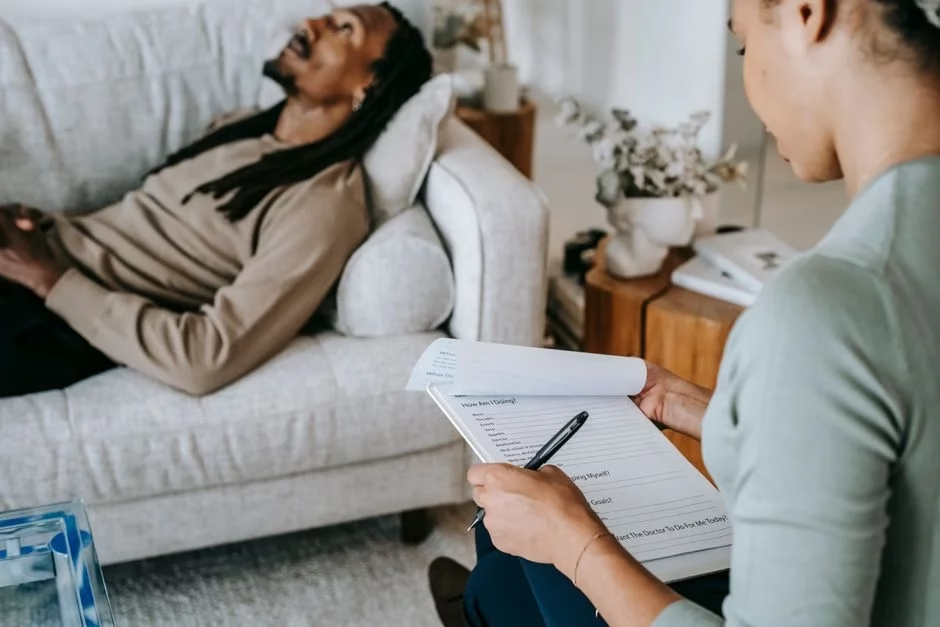
Diagnosing ADHD in women is crucial for improving mental health and overall quality of life. Many women remain undiagnosed due to the subtle presentation of ADHD symptoms, which can be mistaken for anxiety, depression, or stress. Seeking professional help is the first step toward understanding and managing symptoms effectively.
Healthcare providers use various diagnostic tools to evaluate ADHD in adult women. Comprehensive assessments typically include interviews, questionnaires, and detailed discussions about medical history and daily challenges. Tools like the Adult ADHD Self-Report Scale (ASRS) and Conners’ Adult ADHD Rating Scales are commonly used to identify patterns of inattention, impulsivity, and hyperactivity.
Self-awareness plays a vital role in the diagnostic process. Women with ADHD often internalize their struggles, making it essential to recognize patterns such as chronic disorganization, forgetfulness, or emotional overwhelm. Open communication with healthcare professionals is equally important. Sharing specific examples of how symptoms of ADHD in adult women impact daily life can lead to a more accurate diagnosis.
By identifying and addressing ADHD in women early, individuals can access tailored treatments, such as therapy, medication, and coping strategies. This empowers women to manage their condition better and lead more balanced, fulfilling lives.
Coping Strategies and Solutions for Women with ADHD
Managing ADHD symptoms in women requires a combination of lifestyle adjustments, therapies, and support systems tailored to their unique challenges. These strategies can significantly improve the quality of life and help women with ADHD thrive.
Lifestyle Adjustments
Establishing routines is essential for creating structure and minimizing overwhelm. Consistent daily schedules can help manage symptoms of ADHD in adult women, such as forgetfulness and disorganization. Tools like planners, digital calendars, or productivity apps can aid in task prioritization and time management, reducing the chaos often associated with ADHD in women symptoms.
Relevant blog to read: 90 Journal Prompts for Self Discovery
Therapies and Treatments
Cognitive-behavioral therapy (CBT) is an effective approach for addressing emotional regulation and impulsivity, common ADHD symptoms in adult women. CBT helps women develop coping mechanisms and reframe negative thought patterns. For some, medication may also be a viable option, as it can alleviate symptoms such as inattention and hyperactivity, improving focus and productivity. Consulting a healthcare professional is essential to determining the best treatment plan for individual needs.
Relevant blog to read: Top 10 inspiring ideas for things to write in a journal
Support Systems
Joining ADHD support groups or online communities provides a safe space to share experiences and learn from others facing similar challenges. These groups offer practical advice and emotional encouragement for managing ADHD in adult women symptoms. Additionally, open communication with friends and family can foster understanding and create a supportive environment.
By adopting these strategies, women with ADHD can better manage their symptoms and lead more balanced, fulfilling lives. Recognizing and addressing the symptoms of adult ADHD in women is key to unlocking their full potential.
Conclusion
Recognizing ADHD symptoms in women is essential for improving their overall well-being and quality of life. Symptoms such as emotional regulation challenges, inattention, and disorganization can significantly impact daily functioning if left unaddressed. Encouraging self-awareness and seeking a professional diagnosis is the first step toward understanding and managing these symptoms effectively. With the right strategies, including routine building, therapy, and support systems, women with ADHD can thrive both personally and professionally. By embracing these tools and fostering a supportive environment, women with ADHD can unlock their full potential and lead fulfilling, balanced lives.
Building Daily Routines That Work With Your Brain
Recognising ADHD symptoms in women is only the first step. What changes daily life is building gentle structure that works with your brain instead of against it. Rigid, one-size-fits-all systems tend to collapse, while flexible routines you can return to after an off day are far more forgiving.
- Externalise your memory. Use visible lists, alarms, and sticky notes so you are not relying on recall alone.
- Break big tasks into the smallest possible next step to lower the activation energy it takes to begin.
- Pair boring tasks with something pleasant, like music or a favourite drink, to make starting easier.
- Protect your self-worth on hard days by building resilience skills you can lean on when things feel messy.
- Reconnect with your strengths often, because building self-confidence matters just as much as managing symptoms.
The goal is not to force yourself into a neurotypical mould, but to design a life that honours how your mind actually works. Small, consistent adjustments usually create more relief than any dramatic overhaul.
Frequently Asked Questions
Common symptoms of ADHD in adult women include difficulty focusing, forgetfulness, chronic disorganization, and emotional regulation challenges. Women may also experience overwhelming stress, low self-esteem, and persistent feelings of inadequacy. Emotional symptoms like anxiety and mood swings are also common, alongside struggles with time management and prioritization.
ADHD in women often presents with internalized symptoms, such as anxiety, emotional dysregulation, and self-doubt. Whereas, ADHD in men is typically characterized by hyperactivity and impulsive behavior. Women may struggle with masking their symptoms, making them less likely to be diagnosed. On the other hand, men may display more obvious signs like restlessness and impulsivity.
ADHD in women, like in men, is believed to be caused by a combination of genetic and environmental factors. A family history of ADHD can increase the likelihood of developing the disorder. Environmental factors such as prenatal exposure to toxins or stress may also contribute to its development.
Women with ADHD can manage symptoms by establishing structured routines, using tools like planners and apps to stay organized, and engaging in therapies such as cognitive-behavioral therapy (CBT) to address emotional regulation. Joining support groups or seeking encouragement from friends and family can also help manage challenges and reduce feelings of isolation.
High-functioning ADHD in women often involves managing responsibilities despite struggles with focus, organization, and emotional regulation. Women may excel in certain areas, such as creativity or problem-solving. But still face underlying difficulties with time management, meeting deadlines, and maintaining consistency.
The hidden struggles of a woman with ADHD include persistent feelings of inadequacy, anxiety, and the emotional burden of constantly compensating for symptoms. Women may also struggle with maintaining relationships due to forgetfulness or disorganization, as well as dealing with the societal pressures of perfectionism and “masking” their struggles. These hidden challenges often go unnoticed, leading to delayed diagnosis and support.
Sources & Further Reading
Author’s note
Thank you for taking the time to focus on your well-being and for being your own cheerleader in this journey called life. I truly appreciate you for choosing to invest in yourself today, and I’m honored that you spent a part of your day here. Remember, every small step you take matters, and you’re doing an amazing job. Keep going—you’ve got this!

3 Comments