

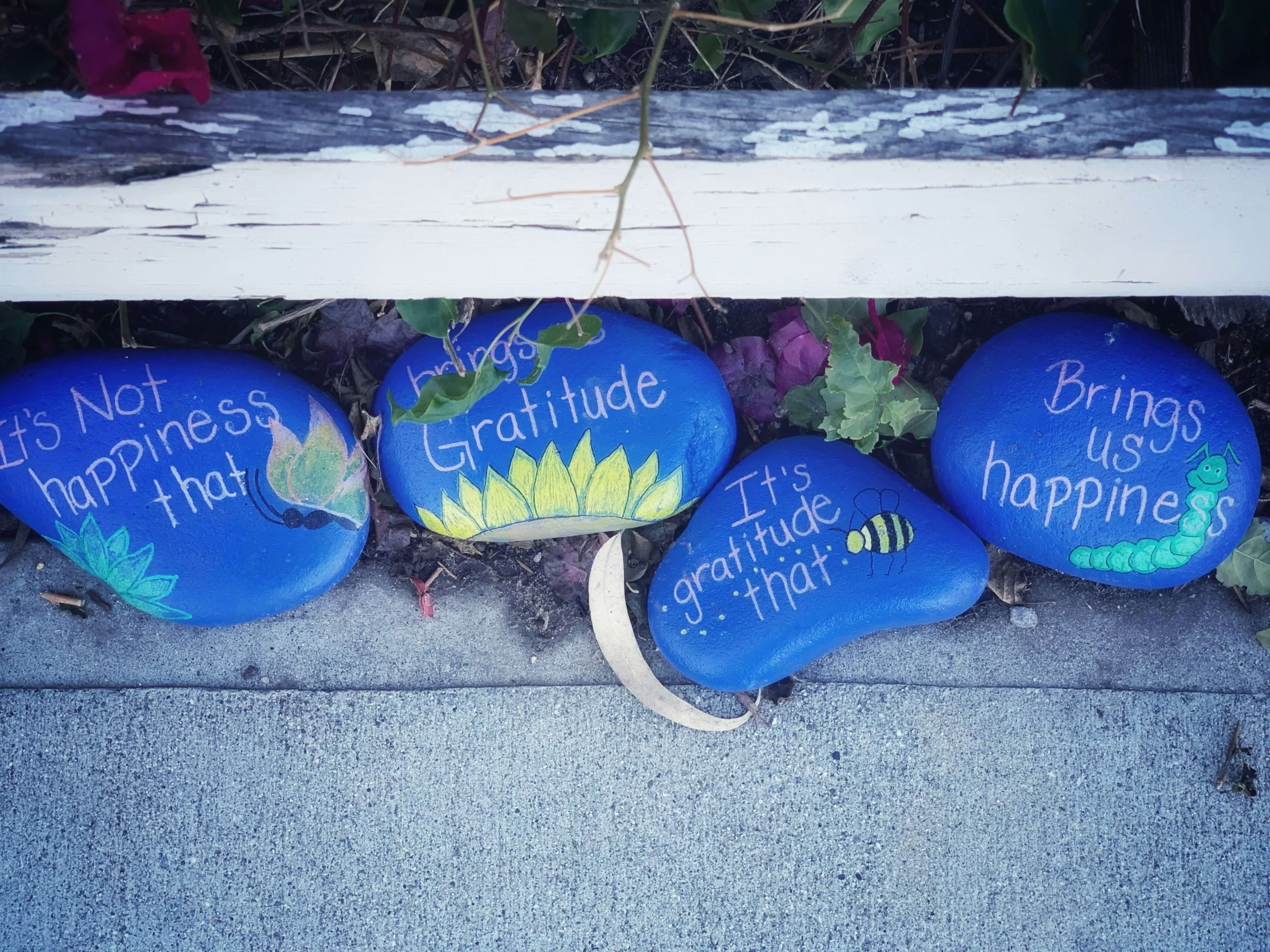
As the calendar turns to 2026, the tradition of setting resolutions begins. While many focus on external changes, the most profound transformation starts within. A commitment to practicing gratitude is a low-effort, high-reward habit that fundamentally rewires your brain and consistently boosts happiness.
Relevant blog to read: How to Set Realistic Mental Wellness Goals for the New Year
What is Gratitude?
Gratitude is often misunderstood as a simple “thank you” or a polite social gesture. In reality, it is a complex emotional state and a personality trait. It is the intentional practice of noticing and appreciating the positives in life, regardless of how small they may seem. It involves acknowledging that there are good things in the world and recognizing that the sources of these good things often lie outside ourselves. When you cultivate this mindset, it creates an internal shift that boosts happiness by moving your focus from what is lacking to what is present.
Why is Gratitude Important?
In a world that often emphasizes “more”-more money, more followers, more achievements-gratitude is the antidote to the “hedonic treadmill.” It is important because it:
- Shifts Perspective: It moves you from a scarcity mindset to an abundance mindset.
- Improves Physical Health: Studies show grateful people experience fewer aches and pains and report feeling healthier.
- Enhances Sleep: Reflecting on what you are thankful for before bed helps calm the nervous system.
- Fosters Connection: It strengthens social bonds by making us more empathetic and appreciative of others.
By addressing the root of our discontent, a gratitude practice boosts happiness more effectively than many temporary external successes.
The Science of Positive Rewiring
When you intentionally focus on things you are grateful for, your brain releases dopamine and serotonin. These “feel-good” chemicals are the biological engine that boosts happiness. Making this a daily habit strengthens the neural pathways associated with positivity. Much like a muscle, the more you practice looking for the good, the easier it becomes for your brain to find it naturally.
Finding Gratitude in Small and Big Things
A common barrier to this practice is the belief that we only have to be grateful for “big” events. To truly cultivate a life that boosts happiness, you must find a balance between the monumental and the mundane.
The Power of Small Things
The majority of our lives are lived in the “small” moments. Finding gratitude here means noticing the warmth of a morning sunbeam, the perfect crunch of a fresh apple, or the fact that your favorite song came on the radio. These micro-moments of appreciation act as “happiness snacks” throughout the day, ensuring your mood boosts happiness consistently rather than waiting for a rare big event.
Appreciating the Big Things
Big things—like a promotion, a new relationship, or overcoming a health challenge—are easier to notice but often fleeting in their impact. To ensure these milestones boosts happiness long-term, you must practice “active reflection.” Don’t just celebrate the win; acknowledge the journey, the support you received, and the personal growth that allowed you to reach that peak.
2026 New Year Gratitude Prompts
If you aren’t sure where to start, use these prompts to guide your journaling or reflection. Each of these is designed to trigger a mindset shift that boosts happiness:
- Reflecting on 2025: What is one challenge from last year that you are now grateful for because of the strength it gave you?
- Sensory Joy: What is one sound, one smell, and one physical sensation you experienced today that made you feel peaceful?
- The “Hidden” Helpers: Who is someone you don’t know personally (a delivery driver, a content creator, a public official) whose work made your life easier this week?
- Self-Appreciation: What is a part of your own personality or a skill you possess that you are genuinely thankful for?
- Future Hope: What is one opportunity available to you in 2026 that you feel lucky to have?
- Comfort in Routine: What part of your daily routine (like a morning coffee or an evening skincare ritual) provides you with the most comfort?
Overcoming the “Gratitude Plateau”
To prevent your practice from feeling like a chore, keep it fresh:
- Vary your focus: Don’t write the same three things every day.
- Focus on surprises: What happened today that you didn’t expect?
- Go deep, not wide: Write a detailed paragraph about one specific thing rather than a list of ten vague things.
Conclusion: Start Your Year with Abundance
Starting a gratitude practice is a gift to your future self. By choosing to notice the abundance in your life, you build a mental fortress that boosts happiness and shields you from the drain of modern stress. As you move through 2026, let gratitude be the lens through which you view every experience.
Frequently Asked Questions (FAQs)
A. Research suggests most people start feeling a shift in their mood after just two weeks of consistent daily practice. Significant changes in brain structure often occur after three months of dedication.
A. On those days, scale back. Are you grateful for the air in your lungs? The fact that the day will eventually end? Even the smallest acknowledgement of a “neutral” fact prevents a downward spiral and eventually boosts happiness.
A. Writing is more effective. The physical act of writing or typing requires more cognitive engagement, which helps the positive thoughts “stick” in your memory better, which ultimately boosts happiness more effectively.
A. Yes! Sharing “one good thing” during dinner is a wonderful way to teach children emotional regulation. It boosts happiness for the entire household and builds a culture of appreciation.
Author’s note
Thank you for taking the time to focus on your well-being and for being your own cheerleader in this journey called life. I truly appreciate you for choosing to invest in yourself today, and I’m honored that you spent a part of your day here. Remember, every small step you take matters, and you’re doing an amazing job. Keep going—you’ve got this!



One Comment