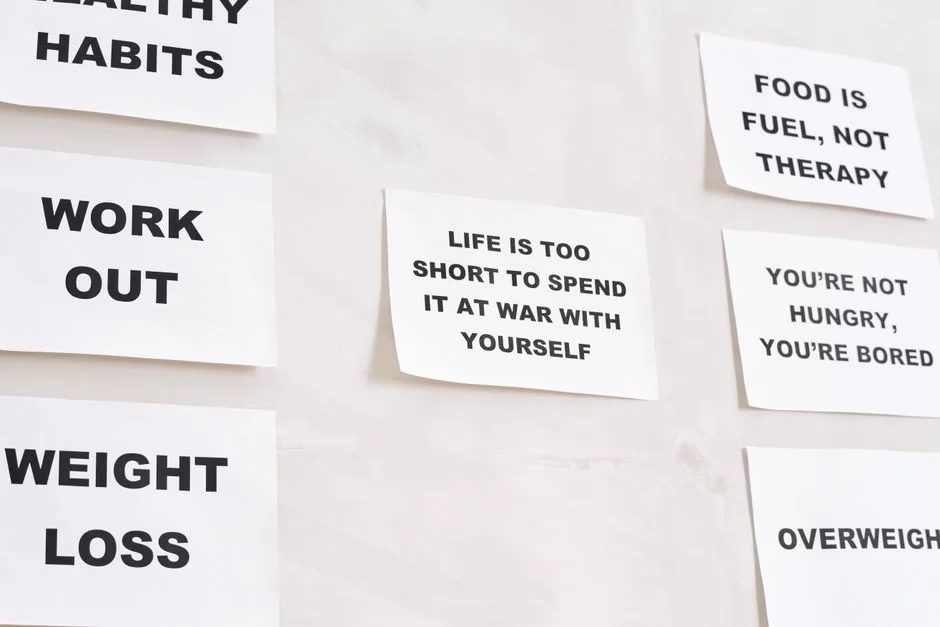
The way you eat and the way you think about your body are deeply intertwined aspects of your mental health. In a culture saturated with diet rules and unattainable beauty standards, food often becomes a source of anxiety, and our bodies become targets for criticism. The solution isn’t another strict diet; it’s a shift toward mindfulness. Mindful eating benefits your mind and body by fostering presence, curiosity, and non-judgment. It’s the path to genuine body positivity mental health and provides sustainable emotional eating solutions.
Relevant blog to read: Conquer the 2 PM Crash: Quick and Healthy Meal Prep to Prevent Afternoon Energy Slumps
The Anxiety of Restriction: Why Dieting Fails the Mind
Traditional dieting is inherently based on restriction and external rules, which creates a negative feedback loop:
- Guilt and Shame: Eating a “bad” food leads to feelings of moral failure.
- Increased Obsession: Telling yourself you can’t have something makes you crave it more.
- Loss of Trust: You stop trusting your body’s signals of hunger and fullness, outsourcing your nourishment to an external plan.
Mindful eating and the intuitive eating guide provide an alternative: a framework built on self-trust, allowing you to honor your body’s true needs without the stress and anxiety of counting or restricting.
Part I: The Mindful Eating Guide to Presence
Mindful eating involves paying attention to the food you are consuming, using all your senses, and noticing your body’s response without judgment.
1. The 5-Minute Sensory Scan
Before you even take a bite, take five minutes to engage your senses. This simple practice grounds you and prevents the mindless consumption that leads to overeating:
- See: Notice the colors, shapes, and textures of your food. How is the plate arranged?
- Smell: Take a deep breath. What aromas do you detect? Research shows smell plays a huge role in satiety.
- Touch: Note the temperature and texture of the food on your fork or in your hand. Is it warm, cold, smooth, or crunchy?
- Hear: Listen to the sounds the food makes as you prepare it, chew it, and swallow it.
- Taste: Focus on the initial flavor hit, the flavors that develop as you chew, and the aftertaste.
2. The Half-Time Check-In (A Pause for Satiety)
Midway through your meal, put your utensil down for 30 seconds.
- Check Hunger Levels: Ask yourself, “Am I still truly hungry, or am I just eating because the food is there?” Use a simple scale (0 = ravenous, 10 = painfully full). If you are around a 6 or 7, you are likely satisfied.
- Notice the Pleasure: Assess how much you are enjoying the remaining food. Often, the first few bites are the most pleasurable. Continuing to eat past the point of enjoyment is a common driver of overconsumption.
3. Identify and Address Cravings
Not all cravings are physical hunger. The mindful eating benefits include learning to recognize the difference between physical need and emotional desire.
- H.A.L.T. Check: Before reaching for a snack, quickly check in: Are you Hungry, Angry, Lonely, or Tired?
- If you realize you are A.L.T. (Angry, Lonely, Tired), address the emotional need first (e.g., call a friend, take a 5-minute nap, write in a journal) before deciding whether food is still necessary. This provides excellent emotional eating solutions.
Part II: Fostering Body Positivity Mental Health
Mindful eating requires self-acceptance. If you are constantly criticizing the vessel that processes your food, you cannot trust its signals.
1. The Mirror Self-Compassion Exercise
This simple, powerful exercise rewires your internal monologue.
- Stand in front of a mirror and identify one neutral or positive trait about your body (e.g., your strong hands, your stable legs, your kind eyes).
- Say it out loud: “I appreciate my body for its strength,” or “I am grateful for my legs that carry me every day.”
- The Key: This practice is not about forced love; it’s about shifting the focus from aesthetic judgment (what it looks like) to function appreciation (what it does). This strengthens body positivity mental health.
2. Challenge the Perfection Myth
Recognize that body positivity is not about loving your body every minute; it’s about neutrality and acceptance.
- Acceptance Script: The next time a critical thought arises (“My stomach looks awful”), counter it with a statement of acceptance: “This is just my body today. I accept it and will treat it kindly.”
- This removes the emotional charge and allows you to move on with your life, rather than getting stuck in a cycle of self-criticism.
3. Curate Your Digital Diet
The media you consume directly impacts your perception of your body.
- Unfollow and Unsubscribe: Actively unfollow accounts that trigger comparison, promote extreme diet culture, or make you feel inadequate.
- Follow for Function: Replace those accounts with ones that promote intuitive eating guide principles, joyful movement, and function-based fitness. Protect your body positivity mental health by controlling your input.
By integrating mindful eating with radical self-acceptance, you begin to heal your relationship with food and your body, recognizing that both are invaluable parts of your wellness journey.
How to Make Mindful Eating a Daily Habit
Understanding the benefits of mindful eating is one thing; weaving the practice into a busy life is another. The goal isn’t perfection at every meal, but small, repeatable moments of awareness that gradually rewire your relationship with food. Start with a single meal a day and let the habit grow from there.
- Begin with one mindful meal. Choose breakfast or a snack you can eat without screens, and give it your full attention.
- Pause before the first bite. Take one slow breath, notice the colors and aromas, and check in with how hungry you actually feel.
- Put your utensils down between bites. This tiny reset slows the pace and lets your body register fullness.
- Name one thing you’re grateful for about the food in front of you — where it came from, or simply that it nourishes you.
- Notice, don’t judge. If you eat quickly or emotionally, treat it as information rather than failure.
Pairing meals with a brief grounding practice makes presence easier. If you’d like a simple way to reset your nervous system before you eat, these 5-minute mindfulness exercises can help you arrive at the table calm and attentive rather than rushed and distracted.
Frequently Asked Questions (FAQs)
A: Absolutely not. Mindful eating is the opposite of a diet. It is a philosophy centered on awareness and intuition, completely rejecting external rules. The goal of mindful eating is well-being and self-trust, not weight loss.
A: This is common, especially after years of dieting. Start slowly. Begin by checking your hunger only before a meal, not during. Focus on gentle nutrition—choosing foods that make you feel good and energized, rather than focusing on “good” versus “bad” food. Consider consulting with a certified intuitive eating counselor or a non-diet-focused registered dietitian.
A: Use the H.A.L.T. check religiously. Once you identify that you are Angry, Lonely, or Tired, you need a different coping tool. Keep a list of non-food coping mechanisms handy: calling a friend (loneliness), deep breathing (anger), or reading a book (tiredness). This creates new, healthier pathways for emotional eating solutions.
Related Reading
- The Link Between Mindfulness and Mental Health
- Calm Kids, Calm Home: Mindful Parenting Techniques for Children’s Mental Well-being
- Body Scan Meditation: How It Prepares Your Mind and Body for Sleep
- Postpartum Meditation: Calm Your Mind, Heal Your Body
Author’s note
Thank you for taking the time to focus on your well-being and for being your own cheerleader in this journey called life. I truly appreciate you for choosing to invest in yourself today, and I’m honored that you spent a part of your day here. Remember, every small step you take matters, and you’re doing an amazing job. Keep going—you’ve got this!