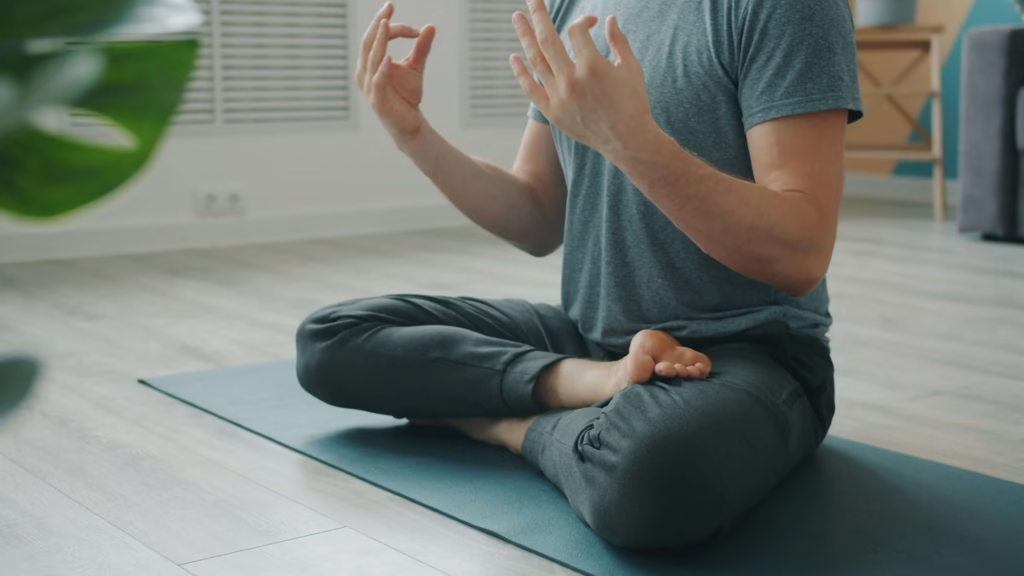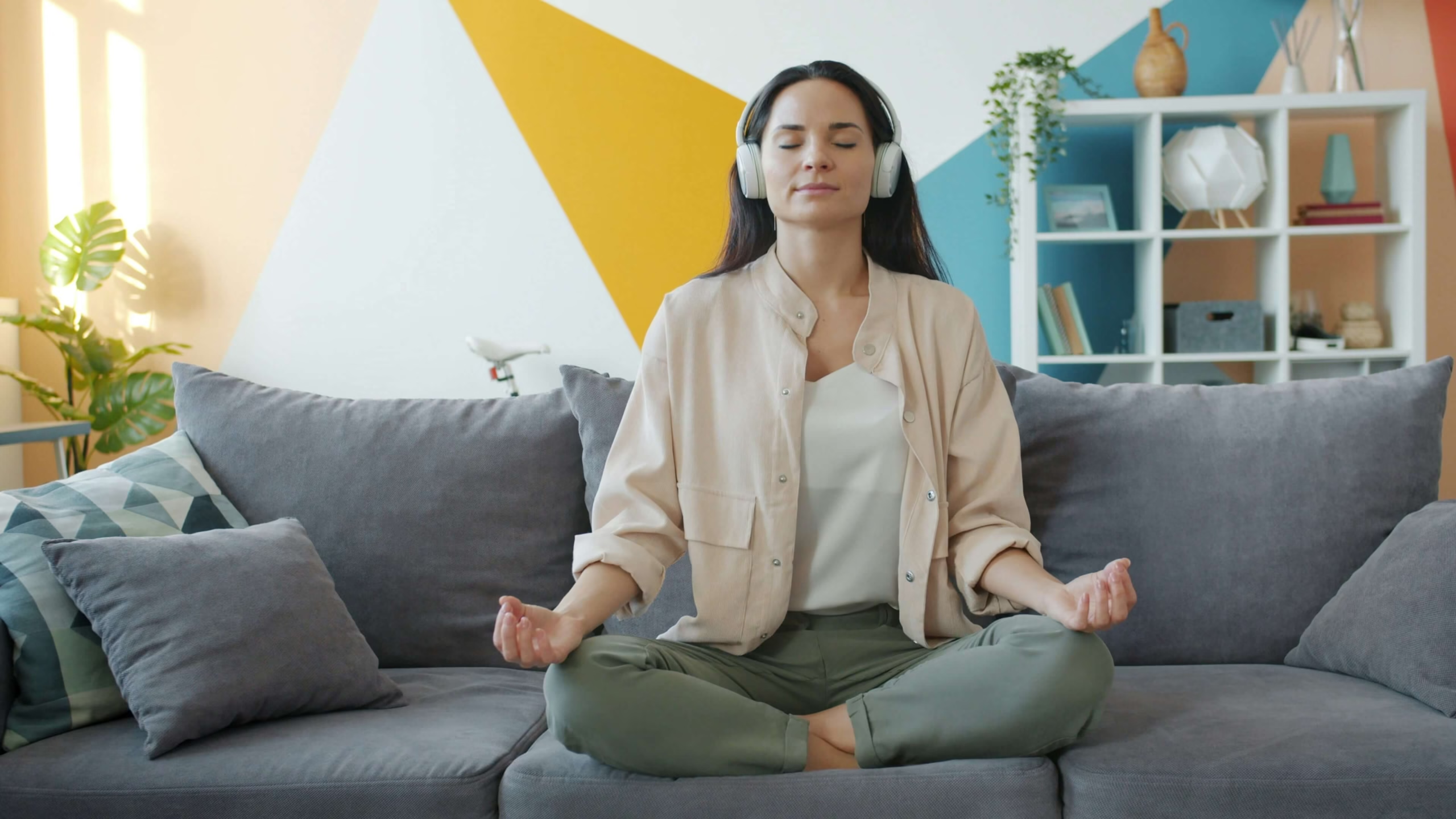
In the high-velocity world, a mother’s role is more complex than ever. Between managing a career, household logistics, and the “Acceleration Stress” of a digital-first society, the maternal nervous system is often in a state of perpetual high-alert. Meditation for moms is no longer a luxury or a “spa-day” activity; it is a vital deterministic tool for Neural Sovereignty. When a mother regulates her own nervous system, she creates a ripple effect of calm that stabilizes the entire family.
Relevant blog to read: How to Prepare Yourself for Mental Health Awareness Month
Why is Meditation Important for Mothers?
Mothers are the “Emotional Thermostats” of the home. Due to a biological process called Co-regulation, children (and even partners) often mirror the internal state of the mother.
- Biological Regulation: Regular meditation increases Vagal Tone and improves Heart Rate Variability (HRV). This means you recover faster from a toddler’s tantrum or a teenager’s defiance.
- Reduced Cortisol: Chronic stress keeps Cortisol levels high. Meditation acts as a “manual brake,” lowering stress hormones and protecting your long-term health.
- Cognitive Clarity: It clears “Attention Residue,” allowing you to switch from “Work Mode” to “Mom Mode” without carrying the baggage of the day.
5 Ways to Practice Meditation (Even with a Busy Schedule)
Forget the image of sitting in silence for an hour. We focus on “Micro-Habit Architecture.”
1. The 120-Second “Brain Sprint”
When the house is loud and you feel your temper rising, step into another room (or even the bathroom). Practice Box Breathing (4-4-4-4) for two minutes. This is the fastest way to “downshift” your nervous system.
2. Walking Meditation
Instead of scrolling on your phone during a stroller walk or your commute, practice mindful walking. Notice the sensation of your feet hitting the ground and the “Analog Anchors” of the trees and sky.
3. Sensory Meditation
Use a Sensory Anchor, such as a specific essential oil (Lavender or Sandalwood) or a textured stone. Touch the object or inhale the scent and take three deep breaths. This grounds your consciousness in the present moment.
4. Guided “Identity” Meditation
Listen to affirmations that reinforce your identity as a calm, capable, and abundant woman. Instead of “I am trying to stay calm,” use: “I am the steady anchor of my family’s peace.”
5. Transition Meditation
Use the car as your “Sanctuary.” Before you get out to pick up the kids or enter the house after work, sit in silence for three minutes to “clear the cache” of your brain.
When to Practice: Finding the “Golden Windows”
- The Morning Alignment: 5–10 minutes before the rest of the house wakes up. This sets your “Internal Frequency” for the day.
- The Afternoon Pivot: Around 3:00 PM, when energy levels typically dip and “Acceleration Stress” peaks.
- The Digital Sunset: Part of your evening End-of-Day Reflection, helping your brain transition into deep, restorative sleep.
How Your Family Can Join the Journey
Meditation shouldn’t be something you do away from your family; it can be something you do with them.
- The “Glitter Jar” for Kids: Use a jar of glitter and water. Shake it up to represent “big feelings.” As the glitter settles, practice deep breathing together. This teaches kids that feelings pass if we stay still.
- Family Breathing Sprints: Before dinner, have everyone take three “unity breaths” together. This synchronizes the family’s collective nervous system.
- Gratitude Audits: During the evening, share one “Micro-Win” each. This trains the family’s Reticular Activating System (RAS) to look for abundance instead of lack.
The Power of Group Meditation for Moms
Joining a group—whether it’s a local neighborhood circle or a digital wellness community—provides Validation.
- Shared Vibration: There is a measurable “synergy” when a group meditates together, making it easier for beginners to reach a state of deep calm.
- Accountability: Knowing other mothers are practicing alongside you reduces the feeling of isolation and makes the habit more deterministic.
Frequently Asked Questions (FAQs)
A. Use the interruptions as part of the meditation. Instead of getting angry, acknowledge the noise, breathe, and return to your center. This is “Real-World Stoicism.” You can also tell your kids: “Mommy is taking 2 minutes for her ‘Magic Breathing’ so I can be a better mommy for you.”
A. Yes, but it is a “scarcity” thought. Remember: You cannot pour from an empty cup. Taking 10 minutes to regulate yourself is the most selfless thing you can do for your children’s emotional development.
A. Absolutely. By stimulating the Vagus Nerve, you physically signal to your brain that the “threat” is gone. However, always pair meditation with professional support if you are experiencing severe symptoms.
A. It’s a visual and tactile board where you place images of your goals along with textures (like soft fabric) and scents. Reviewing this while meditating helps “anchor” your future goals into your current physical reality.
Author’s note
Thank you for taking the time to focus on your well-being and for being your own cheerleader in this journey called life. I truly appreciate you for choosing to invest in yourself today, and I’m honored that you spent a part of your day here. Remember, every small step you take matters, and you’re doing an amazing job. Keep going—you’ve got this!