


In today’s fast-paced world, relationships often take a backseat due to work pressures, social obligations, and digital distractions. However, the strength of our personal and professional relationships determines our overall happiness and success. One of the most crucial skills for maintaining strong relationships is emotional intelligence (EI). It plays a critical role in building stronger relationships, improving communication, and fostering mutual respect.
Emotional intelligence helps us understand, manage, and express emotions effectively. In this blog, we will explore how emotional intelligence impacts relationships and provide actionable tips to strengthen this skill.
Relevant blog to read: Breaking the Stigma: How to Talk About Mental Health
What is Emotional Intelligence?
Emotional Intelligence (EI) refers to the ability to recognize, understand, and manage our own emotions while also being able to recognize and influence the emotions of others. The five main components of EI are:
- Self-Awareness – Recognizing your emotions and their impact.
- Self-Regulation – Managing emotions to respond appropriately.
- Motivation – Using emotions to drive goal-oriented behavior.
- Empathy – Understanding others’ emotions and perspectives.
- Social Skills – Building and maintaining healthy relationships.
By mastering these skills, individuals can develop stronger relationships, enhance trust, and communicate more effectively.

Relevant blog to read: 25+ New Years’ Journal Prompts for 2025
The Role of Emotional Intelligence in Building Stronger Relationships
1. Enhancing Communication
Effective communication is the backbone of any strong relationship. Emotional intelligence helps individuals:
- Express their thoughts clearly and assertively.
- Listen actively and respond with empathy.
- Recognize non-verbal cues and emotions.
2. Managing Conflicts Effectively
Conflicts are inevitable in any relationship, but emotional intelligence enables individuals to:
- Approach disagreements with patience and understanding.
- Regulate their emotions to prevent heated arguments.
- Find common ground and work toward a resolution.
3. Strengthening Trust and Understanding
Trust is built when individuals feel valued and understood. Emotional intelligence fosters trust by:
- Encouraging open and honest conversations.
- Being accountable for one’s actions and emotions.
- Showing consistency in words and actions.
4. Improving Empathy and Compassion
Empathy is the ability to put oneself in another’s shoes. High emotional intelligence allows individuals to:
- Recognize and validate others’ feelings.
- Offer support without being judgmental.
- Build deeper emotional connections with loved ones.

Relevant blog to read: Positive Affirmations for Women to Empower and Inspire Daily Confidence
How to Improve Emotional Intelligence for Stronger Relationships
1. Develop Self-Awareness
- Reflect on your emotions and their triggers.
- Keep a journal to track emotional patterns.
- Seek feedback from trusted individuals.
2. Practice Self-Regulation
- Take deep breaths before reacting in difficult situations.
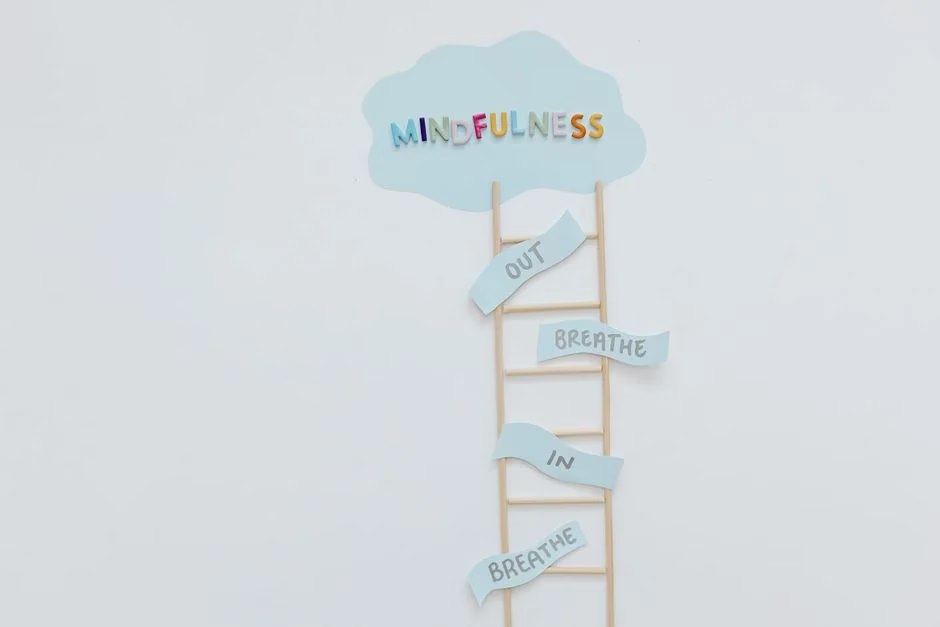
- Engage in mindfulness and meditation exercises.
- Learn to pause and process emotions before responding.
3. Enhance Empathy Skills
- Practice active listening by focusing on the speaker.
- Ask open-ended questions to understand others better.
- Acknowledge others’ emotions without dismissing them.
4. Strengthen Social Skills
- Work on clear and open communication.
- Learn to resolve conflicts without aggression.
- Build rapport with positive body language and tone.
5. Stay Motivated and Positive
- Set realistic goals for personal and professional growth.
- Surround yourself with supportive and emotionally intelligent individuals.
- Engage in activities that enhance self-growth and resilience.
Relevant blog to read: 90 Journal Prompts for Self Discovery
Conclusion
Emotional intelligence is the foundation of building stronger relationships in both personal and professional life. By enhancing self-awareness, practicing empathy, and improving communication skills, individuals can foster meaningful connections and create a positive impact in their interactions.
Invest in developing your emotional intelligence today—it’s the key to happier, healthier, and stronger relationships.
Frequently Asked Questions (FAQs)
Emotional intelligence enhances communication, fosters empathy, and helps in managing conflicts, which are essential for developing and maintaining healthy relationships.
Yes! Through self-awareness, practice, and conscious effort, anyone can improve their emotional intelligence and strengthen their relationships.
Emotional intelligence improves teamwork, leadership, and workplace communication, leading to better collaboration and productivity.
Signs include difficulty managing emotions, poor communication, lack of empathy, and frequent conflicts in personal and professional relationships.
Approach conflicts with an open mind, regulate emotions, listen actively, and seek a mutually beneficial resolution.
Everyday Habits for Building Stronger Relationships
Emotional intelligence is not something you master once — it grows through small, repeated choices. Building stronger relationships often comes down to unglamorous daily habits: pausing before you react, asking one more question instead of assuming, and naming your own feelings honestly rather than expecting others to guess them. Over time these micro-moments of attunement build the trust that holds relationships together.
A few simple practices help. Try a weekly check-in with someone you care about, listen to understand rather than to reply, and treat repair after conflict as a skill worth practising. Cultivating self-compassion makes this easier — a loving-kindness meditation practice softens how you speak to yourself and, in turn, to others. When conversations feel stuck, a few thoughtful questions to get to know someone can reopen genuine connection.
Author’s note
Thank you for taking the time to focus on your well-being and for being your own cheerleader in this journey called life. I truly appreciate you for choosing to invest in yourself today, and I’m honored that you spent a part of your day here. Remember, every small step you take matters, and you’re doing an amazing job. Keep going—you’ve got this!



12 Comments