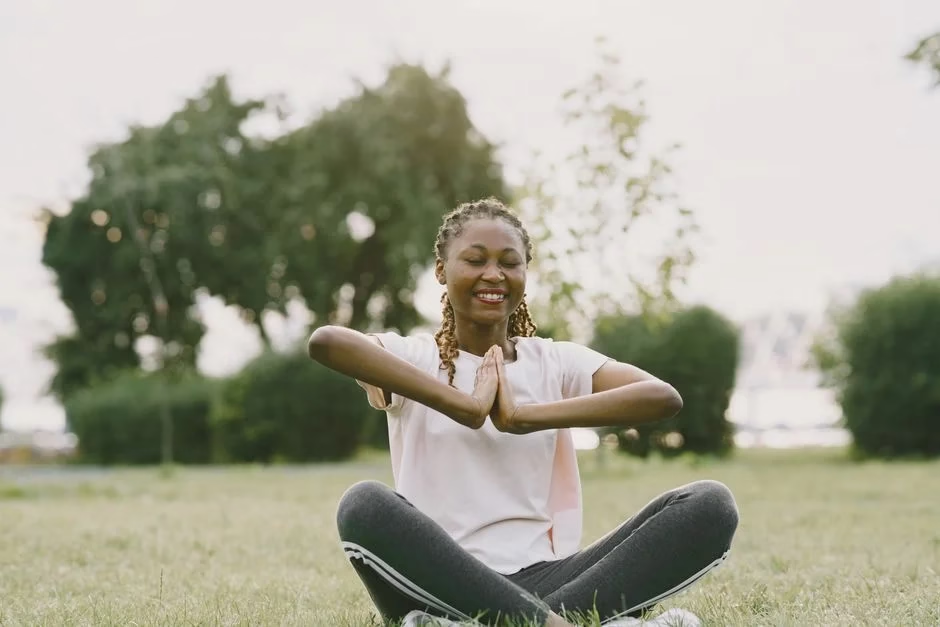
You’re exhausted, something feels heavy, and someone suggests you just “be grateful.” If that phrase has ever made you want to scream a little — you’re not wrong to feel that way. Gratitude has been packaged into something that sounds suspiciously like “stop feeling bad and think happy thoughts instead.” That’s not what it is. And that version of it doesn’t work.
Real gratitude practices don’t ask you to pretend everything is fine. They don’t require you to minimise grief, ignore injustice, or plaster a smile over real pain. What they do — when done honestly — is gently train your attention to notice what’s also true: that alongside the hard things, there are small pockets of warmth, support, or meaning. That’s a very different thing.
This post walks you through what the research actually says about gratitude, why it works (and when it doesn’t), and how to build a practice that feels honest rather than hollow. No forced positivity. No toxic brightness. Just something real you can try tonight if you want to.
Relevant blog to read: Gratitude Practices That Actually Work
Table of contents
What the Research Actually Shows About Gratitude
Gratitude has been studied far more rigorously than most wellness trends. And the findings are genuinely encouraging — as long as you read them honestly, without the hype.
A 2023 systematic review that looked at 64 randomised clinical trials found that people who took part in gratitude interventions reported up to 7.76% lower anxiety symptoms and 6.89% lower depression symptoms compared to those who didn’t. Those aren’t enormous numbers, but they’re real and consistent. A separate 2025 meta-analysis — one of the largest ever done on this topic, covering over 24,000 participants across 145 studies — found a small but statistically significant positive effect on overall wellbeing.
Small-to-moderate effects are still meaningful effects. And the key phrase researchers use again and again is adjunctive — meaning gratitude works best alongside other support, not instead of it. If you’re carrying something heavy right now, gratitude is a companion tool, not a cure.
Why Gratitude Actually Works (It’s Not Magic)
When life gets stressful, your brain tends to zoom in on threats. That’s not a character flaw — it’s biology. Your brain is wired to notice danger because, for most of human history, missing a threat was more costly than missing a good thing. The problem is that this same system, when it runs on overdrive, makes you feel like everything is a threat, all the time.
Gratitude practices work by gently interrupting that pattern. Think of it as attention training — you’re not denying the difficult things exist, you’re deliberately also looking at what else is there. Over time, that shift can change how your brain weighs up information, slow down repetitive anxious thinking, and even strengthen the relationships in your life.
Here’s what the research points to as the main reasons it helps:
- Attention shifting: Deliberately noticing good things makes your brain less likely to get stuck in a loop of everything that’s wrong.
- Savoring: Lingering on a positive moment — even briefly — extends the emotional benefit of that experience beyond the moment itself.
- Social connection: Expressing appreciation to someone strengthens the bond between you, which is one of the most powerful buffers against poor mental health.
- Interrupting rumination: Gratitude gives your mind something specific and concrete to focus on, which can break the cycle of replaying worries.
None of that requires pretending life is perfect. It just requires looking in a slightly wider direction than the problem right in front of you.
The Part Nobody Talks About: When Gratitude Backfires
Here’s the most important thing in this entire post, and it’s something most gratitude articles gloss over entirely: gratitude can actually make things worse for some people, in some circumstances.
If you’re going through grief, trauma, real injustice, or significant depression, being told to list three good things can feel dismissive — not helpful. It can create a quiet sense of shame, like you’re failing at being grateful, on top of everything else you’re already carrying. That’s not a personal weakness. That’s the practice being applied badly.
Gratitude was never meant to be compulsory positivity. When it’s framed that way, it becomes a form of emotional suppression — pushing feelings down rather than processing them. And suppressing difficult emotions doesn’t make them go away; it just makes them louder later.
Mental health professionals increasingly recommend pairing gratitude with emotional honesty rather than using it to override feelings. That means acknowledging what hurts first, and then — only if it feels genuine — noticing what’s also helping. Not instead of the pain. Alongside it.
And if you’re experiencing persistent low mood, anxiety that’s affecting your daily life, or thoughts of harming yourself, please reach out to a qualified professional. Gratitude is a lovely complement to good support — it is not a replacement for it.
How to Build a Gratitude Practice That Feels Real
The most common reason gratitude practices stop working is that they become mechanical. You write “my family, my health, my morning coffee” every single day until the words mean nothing — until it’s just a chore you do before bed, like taking a vitamin you’re not sure is working. The fix is specificity — and a little flexibility.
The Three Good Things Exercise (Done Properly)
You may have heard of the three good things gratitude exercise — it’s one of the most well-studied formats out there. A randomised trial of 108 adults found that just three weeks of this practice increased positive feelings compared to doing nothing at all. But the version that works isn’t just a list. It’s a reflection.
For each good thing, write one extra sentence that answers: why did this matter to me today? That one question is what turns a list into something that actually lands emotionally. For example, instead of writing “sunshine,” you might write: “I noticed the sun on my face walking to the car this morning, and for about ten seconds I felt my shoulders drop.” That’s specific. That’s real. That’s what creates the emotional shift.
The Honest Start Approach
If the idea of jumping straight into gratitude feels wrong on a hard day, try this instead. Begin by writing one sentence about what’s difficult right now — name it plainly, without softening it. Then ask yourself: what is one source of support, one small comfort, or one thing I want to protect that still exists alongside this? You’re not being asked to balance the scales or find a silver lining. You’re just refusing to let the hard thing be the only thing in the frame.
Relational Gratitude
Writing a short, sincere message to someone — naming exactly what they did and how it affected you — tends to produce a stronger emotional lift than writing privately. You don’t have to send it. But if sending it feels safe and welcome, it can strengthen that relationship in a way a journal entry can’t.
Keeping It Sustainable
Daily practice isn’t required. Research supports two or three sessions a week as being effective and easier to maintain long-term. The goal isn’t a streak. The goal is a practice that still feels genuine six months from now.
- Rotate your focus: Some days write about people. Other days, write about small physical comforts, moments of beauty, your own efforts, or something in nature. Variety keeps it honest.
- Try different formats: A gratitude journal suits quiet reflection. A gratitude letter emphasises connection. Savoring — just spending 60 seconds really noticing something pleasant — is perfect when you don’t want to write anything at all.
- Use a stress prompt: When you’re anxious, try asking yourself: “What support, resource, or next step is available to me right now?” It’s gratitude reframed as a practical question — and it works.
There’s no perfect version of this practice. The best version is the one you’ll actually do — and the one that leaves room for how you honestly feel.
Frequently Asked Questions
Gratitude works by gently training your attention away from a constant focus on threats and problems. Over time, this shift can reduce repetitive anxious thinking, improve your mood, and strengthen your relationships. Research suggests it works through several pathways — including savoring positive moments, increasing social connection, and interrupting worry loops. Effects are real but modest, and work best alongside other support.
A gratitude journal gives your brain a regular, low-pressure opportunity to notice what's going well — not to deny what's hard, but to widen the picture. The key benefit comes from being specific: writing why something mattered, not just what it was. Studies consistently find that people who journal with this kind of specificity report better mood, more life satisfaction, and lower anxiety over time.
Start by writing one honest sentence about what's difficult. Don't skip over it — name it. Then gently ask yourself: is there one small source of support, comfort, or something I want to protect that also exists right now? You don't have to find silver linings. You're just widening the frame slightly. If nothing comes, that's okay too — some days the practice is simply showing up.
Research suggests it can help — but modestly, and not for everyone. A 2023 review of 64 clinical trials found lower anxiety and depression scores in people who practised gratitude regularly. That said, gratitude is not a treatment for clinical anxiety or depression. It works best as a complement to professional support, not a replacement. If your symptoms are persistent or affecting daily life, please speak with a qualified professional.
Three is a well-researched starting point — it's manageable without feeling like a chore. More important than the number is the quality: write one sentence about why each thing mattered to you, not just what it was. And daily practice isn't required. Two or three sessions a week is enough to see benefits, and may actually be easier to sustain without the exercise feeling mechanical.
Related Reading
- Gratitude Practices That Actually Work
- Gratitude Practice Train Your Brain to Feel Better
- Effective Communication Techniques That Build Real Trust
- Positive Affirmations That Actually Work
Author’s note
Thank you for taking the time to focus on your well-being and for being your own cheerleader in this journey called life. I truly appreciate you for choosing to invest in yourself today, and I’m honored that you spent a part of your day here. Remember, every small step you take matters, and you’re doing an amazing job. Keep going—you’ve got this!