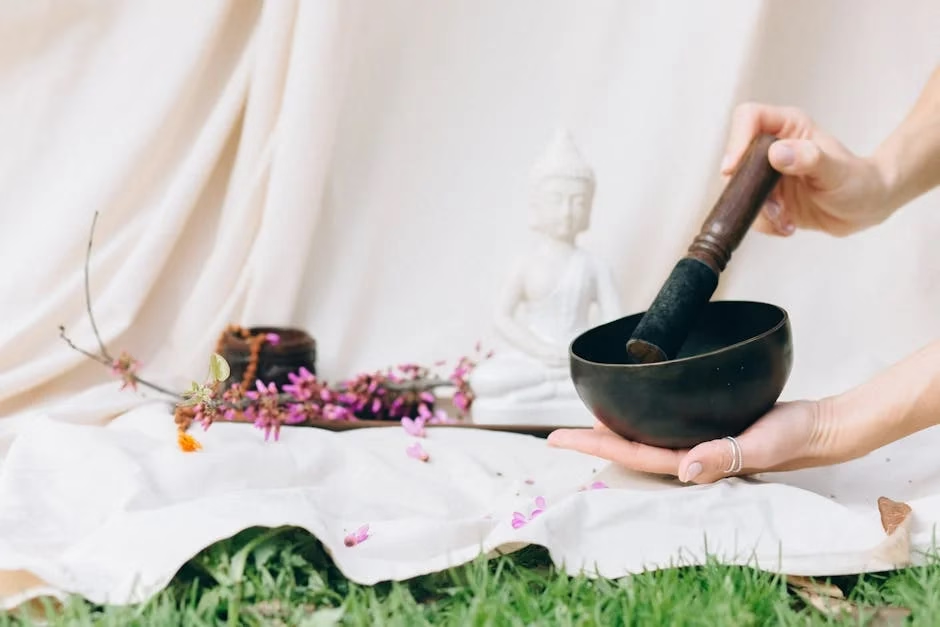
There’s a moment many people describe — usually after something has broken them open a little — where the usual fixes stop working. Sleep doesn’t rest you. Talking helps only so much. And somewhere in the quiet, you find yourself reaching for something deeper. That reaching has a name: spiritual healing.
But here’s the thing nobody tells you upfront. Spiritual healing isn’t a magic reset button, and it doesn’t work the same way for everyone. The research on it is actually fascinating — and a little surprising. Over 3,000 studies have examined the connection between spirituality and health, according to Harvard Medical School, and the picture they paint is nuanced. Sometimes spiritual practice genuinely helps people recover, cope, and find peace. And sometimes, when spirituality comes wrapped in guilt, fear, or pressure, it can make things harder. That gap — between healing spirituality and harmful spirituality — is exactly what this post explores.
You’ll come away understanding how spiritual healing actually works inside the mind and body, which practices tend to help, what to watch out for, and how to start gently — wherever you are right now.
Relevant blog to read: Positive Affirmations Do They Actually Work
Table of contents
- What Spiritual Healing Really Means (It's Not What Most People Think)
- The Spiritual Healing Practices That Actually Help
- When Spirituality Doesn't Help — and Why That's Worth Knowing
- How to Find Spiritual Healing: A Gentle Starting Point
- Spiritual Healing vs. Emotional Healing: How They Overlap
- Frequently Asked Questions
- Author's note
What Spiritual Healing Really Means (It’s Not What Most People Think)
Spiritual healing is often painted as something mystical or tied to one particular faith. But when researchers look at what’s actually happening when people heal through spiritual practice, the picture is much more grounded — and much more human.
At its core, spiritual healing is a process of making meaning out of painful experiences, rebuilding a sense of identity, and finding ways to feel connected again — to yourself, to others, or to something larger than daily life. A 2021 qualitative study published in a nursing journal followed critically ill patients through their spiritual healing journey and found that it wasn’t passive. People moved through stages: evaluating where they were, seeking guidance, adopting practices, and taking active steps toward acceptance and peace. That’s not supernatural — that’s deeply human.
The most surprising insight here is this: spiritual healing often works through the same psychological mechanisms as therapy — hope, meaning-making, self-compassion, and connection — just accessed through a different door. That means the benefits are real, even if the path looks different for everyone.
- It’s behavioral, not just belief-based: What you do — sitting quietly, writing, connecting with others — shapes healing as much as what you believe.
- It’s relational: Community, shared experience, and feeling truly seen by others are central to how spiritual healing unfolds.
- It’s deeply personal: There’s no single right practice. What helps one person might not help another, and that’s completely okay.
The Spiritual Healing Practices That Actually Help
You know that feeling when you’ve been carrying something heavy for so long that you’ve forgotten what it felt like to put it down? Many spiritual healing practices work precisely because they give the nervous system permission to soften. Here’s what the research points to most consistently.
Quiet Reflection and Meditation
When stress builds up, the body shifts into a state of alertness — breathing gets shallow, the mind races, and rest feels impossible. Spiritual healing meditation interrupts that cycle. Even five minutes of intentional stillness — whether that’s prayer, guided breathing, or simply sitting with your own thoughts — signals safety to the body. Over time, this creates emotional space that makes hard feelings easier to tolerate rather than run from.
You don’t need a cushion or an app. A warm cup of tea and five quiet minutes counts.
Forgiveness — On Your Own Timeline
Forgiveness keeps showing up in healing research, not as a moral obligation, but as something that quietly frees the person doing the forgiving. Carrying resentment is genuinely exhausting — it keeps painful memories active and prevents the mind from settling. But forgiveness isn’t something you can rush or force. The most helpful approach is gentle and gradual: name what hurt you, acknowledge how it affected you, and then ask yourself what the tiniest next step toward releasing it might look like. Nothing more than that, until you’re ready.
Writing and Reflection
There’s a reason people reach for a notebook when they don’t know what else to do. Writing doesn’t tidy pain up — but it does move it. When something is swirling inside you, putting it into words on a page externalises it just enough that you can look at it instead of drowning in it. Even one sentence about what felt meaningful today — a conversation, a moment of quiet, finishing something hard — starts to rebuild a sense of purpose you might not have realised you’d lost. The brain processes emotion more fully when we name it. That’s not a metaphor. That’s what happens.
Community and Connection
A 2021 qualitative study on emotional healing identified community support as one of five core themes in recovery — sitting alongside prayer, spiritual insight, and personal identity. There’s something genuinely powerful about being in a room (or a call, or a group chat) with people who understand what you’re carrying. It reduces isolation, which is one of the biggest barriers to healing of any kind.
- Prayer or quiet intention: Helps create a sense of being heard and supported, even when words are hard to find.
- Spiritual healing meditation: Calms the nervous system and builds emotional resilience over time.
- Shared stories: Hearing how others have moved through pain restores hope in a way that advice rarely does.
- Grounding rituals: A simple end-of-day practice — slow breathing, a gratitude list, reading something comforting — signals to the brain that it’s safe to rest.
When Spirituality Doesn’t Help — and Why That’s Worth Knowing
This part doesn’t get talked about enough, and it genuinely matters. Spiritual healing for anxiety or grief can be deeply supportive — but spirituality can also become a source of distress when it’s wrapped in shame, fear, or rigid rules that leave no room for doubt or struggle.
Spiritual distress is real. It can look like anxiety, guilt that won’t shift, a crushing sense of being punished, or a feeling of profound disconnection from everything you used to believe. Sometimes people mistake this distress for a personal failing, when actually it’s a sign that a particular belief or community isn’t a safe fit for them right now.
A useful exercise is to sit with this question honestly: Which of my beliefs feel comforting, and which ones feel frightening or shaming? You don’t have to have the answer immediately. But noticing the difference is the first step toward finding spiritual healing that genuinely supports you, rather than one that adds to the weight.
- Signs spiritual practice is helping: You feel calmer, more grounded, more connected, or more at peace — even slightly.
- Signs it may be adding to distress: You feel more guilty, more fearful, more isolated, or like you’re never doing enough.
- What to do: Gently step back from practices or communities that consistently leave you feeling worse, and give yourself permission to seek something kinder.
How to Find Spiritual Healing: A Gentle Starting Point
If you’re wondering how to heal spiritually, the honest answer is: start smaller than you think you need to. Healing doesn’t usually arrive in a dramatic moment. It tends to accumulate quietly, in the margins of ordinary days.
Here’s a simple way to begin this week — no special equipment, no prior experience needed.
- Five minutes of stillness each morning. Sit somewhere quiet before the day pulls you in. Breathe slowly. You don’t have to think anything in particular. Just be still.
- One sentence of meaning. Each evening, write one sentence about what felt meaningful today — however small. A conversation, a moment of sunlight, a task completed. This rebuilds your sense of purpose gradually.
- Find one safe space. Whether it’s a community, a trusted friend, or a values-based group — look for somewhere you feel genuinely accepted rather than judged. Connection is one of the most powerful healing practices that exists.
- Use spiritual practices alongside, not instead of, professional support. If you’re navigating anxiety, grief, trauma, or depression, spiritual healing works best when it complements evidence-based care — therapy, medical advice, and the support of people trained to help. It’s a companion to those tools, not a replacement.
Wherever you are right now — whether you’ve been carrying something for years or you’re only just beginning to feel the weight of it — spiritual healing as a gentle, personal, meaning-making process is available to you. It doesn’t require certainty. It doesn’t require perfection. It just requires you to begin, one quiet step at a time.
Spiritual Healing vs. Emotional Healing: How They Overlap
People often ask where spiritual healing ends and emotional healing begins. The honest answer is that they braid together far more than they separate. Emotional healing tends to focus on processing specific feelings—grief, anger, fear—while spiritual healing zooms out to ask the larger questions: What does this pain mean? Who am I now? What am I connected to? You rarely do one without touching the other.
This is why the practices overlap so neatly. Sitting with a difficult emotion until it softens is emotional work, but doing it with a sense of trust that you are held by something larger is spiritual work. If you want to go deeper into the feelings side of this journey, our guide to emotional healing and what it really takes is a gentle companion to this one. The two approaches strengthen each other: emotional healing keeps spiritual practice grounded and honest, while spiritual healing gives emotional work a sense of meaning and hope.
You don’t need to decide which “type” of healing you’re doing. Notice what helps, keep doing more of that, and let the labels fall away. Healing rarely respects the neat categories we try to place it in.
Frequently Asked Questions
Spiritual healing is the process of rebuilding meaning, emotional stability, and a sense of connection after pain, loss, or trauma. It works largely through well-understood psychological processes — hope, self-compassion, forgiveness, and feeling supported. Practices like meditation, quiet reflection, and community connection help calm the nervous system and restore a sense of identity and purpose. It's personal and behavioural, not just belief-based.
It can, when used thoughtfully. Spiritual healing for anxiety works best through practices that calm the nervous system — such as meditation, slow breathing, and grounding rituals — and through community support that reduces isolation. However, if spiritual practice involves guilt, shame, or fear-based beliefs, it can worsen anxiety. The key is choosing practices that consistently leave you feeling safer and more settled, not more burdened.
Start with five minutes of quiet stillness each morning — no special knowledge required. Add one sentence of daily writing about what feels meaningful to you right now. If it resonates, explore a supportive community where you feel accepted rather than judged. Small, consistent practices build more lasting change than occasional intense ones. Gentleness is the starting point, not effort.
Spiritual distress often feels like persistent guilt that won't ease, a deep sense of being punished or abandoned, or a painful disconnect from beliefs that once felt comforting. It can look a lot like anxiety or depression. A helpful check-in is asking yourself which of your beliefs feel comforting and which feel frightening or shaming. If most feel shaming, that's worth exploring gently — ideally with a compassionate therapist or counsellor.
Not exactly. Religious healing typically happens within a specific faith tradition, with its rituals, community, and beliefs. Spiritual healing is broader — it can include religious practice, but it also encompasses any process of finding meaning, restoring inner peace, and rebuilding connection. Someone with no religious affiliation can experience genuine spiritual healing through meditation, nature, community, or purposeful reflection.
Author’s note
Thank you for taking the time to focus on your well-being and for being your own cheerleader in this journey called life. I truly appreciate you for choosing to invest in yourself today, and I’m honored that you spent a part of your day here. Remember, every small step you take matters, and you’re doing an amazing job. Keep going—you’ve got this!