

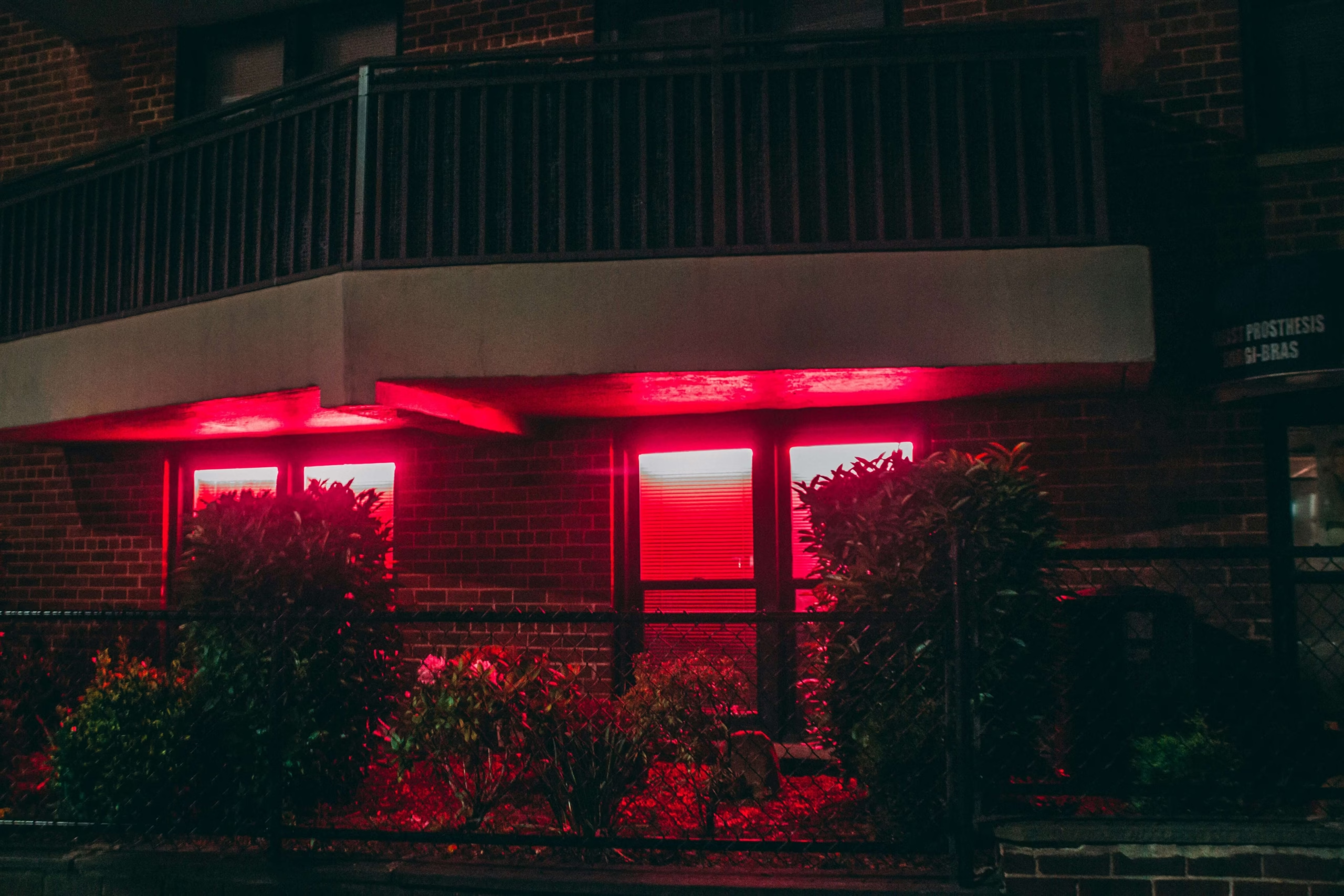
We often think of sleep as a simple “on/off” switch, but our biology is far more complex. Our bodies are governed by the circadian rhythm—a 24-hour internal clock that tells us when to be alert and when to rest. The primary driver of this clock is light. Understanding how lights affect sleep is the secret to overcoming chronic fatigue, brain fog, and midnight tossing and turning. By mastering your environment, you can harness the power of light to heal your sleep cycle.
Relevant blog to read: Understanding the Different Types of Stress and How to Master Your Response
The Biological Connection: Why Light Matters
To understand how lights affect sleep, we must look at a tiny part of the brain called the Suprachiasmatic Nucleus (SCN). This “master clock” reacts to light signals received through your eyes.
- Daylight: When your eyes detect bright, blue-spectrum light (like the sun), the SCN triggers the release of cortisol and suppresses melatonin, making you feel alert.
- Darkness: When light fades, the SCN signals the pineal gland to produce melatonin, the hormone responsible for deep, restorative sleep.
Modern technology has “hacked” this system. By exposing ourselves to artificial light at night, we trick our brains into thinking it is still noon, leading to delayed sleep onset and poor sleep quality.
The “Bad” Lights: What to Avoid for Better Sleep
Not all light is created equal. Short-wavelength light is the most disruptive to your sleep architecture.
- Blue Light: Emitted by smartphones, tablets, laptops, and LED televisions. This is the most potent suppressor of melatonin. Even a few minutes of scrolling before bed can delay your “sleep gate” by hours.
- Cool White LEDs: Many modern home bulbs are “daylight” or “cool white” (high kelvin). While great for productivity in an office, they are detrimental in a bedroom.
- Fluorescent Lighting: These often flicker at a frequency that can cause eye strain and mental agitation, making it difficult for the nervous system to downshift.
The “Good” Lights: What to Use for Better Sleep
If you must have light on in the evening or during the night, choose long-wavelength options that have a minimal impact on your circadian rhythm.
- Red Light: Red light has the longest wavelength and is the least likely to suppress melatonin. Using a red-tinted night light for bathroom trips ensures you don’t “shock” your brain back into wakefulness.
- Warm Amber/Orange Light: These “sunset” hues mimic the natural progression of the day. They provide enough visibility for evening activities without signaling the brain to stay awake.
- Salt Lamps and Dimmable Warm Bulbs: These create a “Sleep Sanctuary” atmosphere. (Consider adding high-quality dimmable bulbs or the Hatch Restore to your toolkit for this purpose).
Understanding Light Therapies
Light therapy is the intentional use of specific light frequencies to correct sleep disorders or seasonal depression.
1. Bright Light Therapy (SAD Lamps)
This involves sitting in front of a 10,000-lux light box for 20–30 minutes every morning.
- How it helps: It “anchors” your circadian rhythm, ensuring your brain knows exactly when the day has started. This leads to a more predictable “melatonin dump” in the evening.
2. Blue-Light Therapy for Shift Workers
For those working nights, exposure to blue-light boxes during the “start” of their shift can help keep them alert and shift their sleep cycle to the daytime.
3. Dawn Simulators (Sunrise Alarms)
Instead of a jarring sound, these devices slowly increase light intensity 30 minutes before you wake up.
- How it helps: It allows for a “natural” wake-up process by gradually lowering melatonin levels while you are still asleep, preventing “sleep inertia” (that groggy feeling).
Best Practices: How to Use Lights While Sleeping
To maximize your emotional and physical recovery, follow these deterministic light hygiene rules:
- Total Darkness is Best: Use blackout curtains or a high-quality weighted eye mask. Even small amounts of light hitting your skin or eyelids can disrupt sleep depth.
- The Two-Hour Digital Sunset: Turn off all blue-light-emitting devices at least two hours before bed. If you must use them, use “Night Mode” filters or wear blue-light-blocking glasses.
- Low-Level Lighting: Keep lamps below eye level in the evening. Light hitting the bottom of the retina (where we detect overhead sun) is more stimulating than light hitting from below.
- Morning Exposure: Within 30 minutes of waking, get outside for natural sunlight. This is the most important step in regulating how lights affect sleep later that evening.
Building a Circadian-Friendly Home
Once you understand how lights affect sleep, you can redesign your daily environment to work with your biology instead of against it. Small, consistent changes to the light around you send powerful signals to your internal clock and make quality rest feel automatic rather than forced.
Try structuring your light exposure around the natural arc of the day:
- Morning: Open the curtains within 30 minutes of waking and, if possible, step outside for 10 minutes of natural daylight to anchor your rhythm.
- Daytime: Keep your workspace bright and, where you can, positioned near a window to sustain alertness and mood.
- Evening: Switch to warm, dim lamps after sunset and enable a night-shift filter on your devices to reduce blue light.
- Bedtime: Aim for a fully dark room, using blackout curtains or a sleep mask to protect melatonin production.
Layering these habits turns your home into a gentle cue system that guides you toward deeper, more restorative sleep every single night.
Frequently Asked Questions (FAQs)
A. No. The flickering light from a TV screen is highly disruptive to the brain’s ability to enter REM sleep. The constant change in light intensity prevents the “deep dive” your brain needs for memory processing.
A. Yes, provided they have a strong amber or orange tint. Clear “computer glasses” often only block a small percentage. For effective sleep prep, look for glasses that block 90% or more of blue light.
A. The human eye has different types of photoreceptors. We are less sensitive to red light in the specific cells that regulate our biological clock, allowing us to see without triggering a “daytime” hormonal response.
A. Most people see a significant shift in their sleep-wake patterns within 3 to 7 days of consistent morning sunlight exposure and evening light restriction.
Sources & Further Reading
Related Reading
- What Is Circadian Rhythm: Tips To Get Better Sleep
- How Screen Time Before Bed Affects Your Health and Sleep
- The Sleep-Mood Connection: How Better Sleep Transforms Your Mental Health
- From Gut to Giggles: A Holistic Look at Kids’ Mental Health (Sleep, Food, Play)
Author’s note
Thank you for taking the time to focus on your well-being and for being your own cheerleader in this journey called life. I truly appreciate you for choosing to invest in yourself today, and I’m honored that you spent a part of your day here. Remember, every small step you take matters, and you’re doing an amazing job. Keep going—you’ve got this!


One Comment