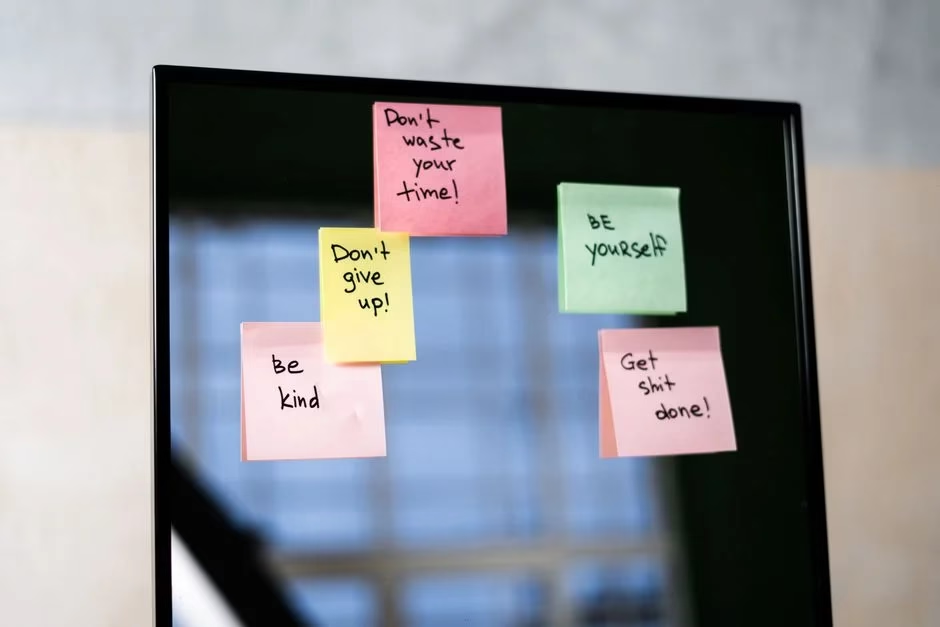
You don’t need to have it all figured out. You don’t need a calling, a five-year plan, or a sudden flash of clarity to start feeling like your life has direction. But if you’ve been waking up lately and wondering what’s the point of any of this — that quiet, heavy feeling deserves to be taken seriously.
A lot of people quietly ask themselves why they have no motivation — not because they’re lazy, but because something deeper has shifted. Depression, burnout, grief, or simply feeling lost can drain the energy right out of you. And then the world tells you to “find your passion” or “pursue your purpose,” and somehow that makes everything feel even harder.
This post is not about grand life missions. It’s about something much gentler: learning how to find motivation and purpose in life through tiny, real, value-aligned actions — the kind you can actually take on a Tuesday when you’re running on empty. That’s where meaning quietly begins.
Relevant blog to read: How to Find Purpose in Life
Table of contents
- The Biggest Myth About Motivation (And Why It's Holding You Back)
- Motivation and Purpose Are Not the Same Thing
- Why You Might Have No Motivation Right Now
- How to Find Your Purpose in Life — Without the Pressure
- Small Ways to Stay Motivated Every Day
- When Goals Feel Wrong, It's Worth Asking Why
- Frequently Asked Questions
- Related Reading
- Author's note
The Biggest Myth About Motivation (And Why It’s Holding You Back)
Most of us believe we need to feel motivated before we can do anything. We wait for the spark. We wait to feel ready. And while we’re waiting, days pass — and the waiting itself starts to feel like failure.
Here’s what the research actually shows: motivation often comes after action, not before it. Starting something small — even something that takes two minutes — can create a tiny sense of momentum. That momentum builds evidence in your brain that you are capable, and capability quietly feeds motivation.
So if you’ve been thinking “I’ll start when I feel ready,” it might be worth gently flipping that around. You don’t have to feel ready. You just have to begin.
Motivation and Purpose Are Not the Same Thing
It helps to understand what these two words actually mean — because they’re easy to mix up, and mixing them up makes both harder to find.
- Motivation is the energy or willingness to act. It rises and falls. It’s affected by sleep, stress, mood, health, and a hundred other things. It was never meant to be constant.
- Purpose is the direction that makes certain actions feel worth doing. It’s not a job title or a life mission — it’s more like a personal compass made up of your values.
You can act with purpose even when motivation is low — because purpose doesn’t depend on how you feel. It depends on what matters to you. Knowing the difference is quietly one of the most freeing things you can learn.
Think of it this way: a parent who is exhausted at 3am still gets up for their child. The motivation might be zero. The purpose — love, protection, connection — carries them anyway.
Why You Might Have No Motivation Right Now
If you’ve been asking yourself “why do I have no motivation,” please hear this first: low motivation is not a character flaw. It is information. Your mind and body are telling you something.
There are many things that quietly drain our drive — and most of them have nothing to do with willpower:
- Depression: One of its most common signs is a loss of interest in things that used to matter. It can feel like flatness, not sadness.
- Burnout: When you’ve been giving too much for too long, the tank empties. Exhaustion isn’t laziness — it’s your nervous system asking for rest.
- Poor sleep: Even a few nights of broken sleep can significantly reduce your ability to start tasks and feel enthusiasm.
- Anxiety: Constant background worry uses up enormous mental energy — often leaving very little left for anything else.
- Grief or major life change: Losing a sense of normal can strip purpose away temporarily. That’s a human response, not a personal failing.
If low motivation has been hanging around for weeks, or if it’s making it hard to take care of yourself or your responsibilities, that’s worth talking to a doctor or therapist about. You don’t have to carry that alone.
How to Find Your Purpose in Life — Without the Pressure
Here’s something quietly radical: your purpose doesn’t have to be grand. It doesn’t have to be permanent. It doesn’t have to look impressive to anyone else. Purpose is allowed to be ordinary, evolving, and personal.
A 2025 review of 22 studies involving over 7,700 university students found that a stronger sense of meaning in life was linked with lower anxiety and depression, greater resilience, and higher life satisfaction. But what’s important is how people found that meaning — not through big achievements, but through connection, gratitude, and acting in line with their values.
So instead of asking “what is my life’s purpose?” — which can feel enormous and paralyzing — try asking a smaller, warmer question: What do I care about?
Here’s a gentle way to start:
- Write down three values that feel true to you. These could be things like honesty, creativity, family, learning, kindness, or community. Don’t overthink it.
- Pick one of those values. Just one.
- Choose one ten-minute action today that expresses it. If you chose “kindness,” maybe you send one encouraging message to someone. If you chose “learning,” maybe you watch one short video on something that interests you.
That’s it. That’s purpose — lived in ten minutes, without a vision board in sight.
Small Ways to Stay Motivated Every Day
Motivation doesn’t need to be a roaring fire. A small, steady flame gets you through more days. These practical tools are built around that idea — they’re designed to work even when you’re tired, uncertain, or low.
- The five-minute launch: Set a timer for five minutes and simply begin. You’re not committing to finishing — just to starting. Most of the time, starting is the hardest part, and five minutes is honest enough to feel possible.
- Attach new habits to old ones: Instead of relying on motivation to remember something new, attach it to something you already do. “After I make my morning tea, I’ll write one thing I’m grateful for.” This is called an implementation intention, and it works because it removes the decision-making energy.
- Keep an evidence log: Each evening, write down one thing you completed, one moment of connection, and one action that felt aligned with your values. Over time, this log becomes proof — to yourself — that you are showing up, even on hard days.
- Schedule one purposeful social moment each week: Not a networking event. Not something you feel you should do. A real one — calling the friend you actually miss, helping a neighbour you’ve been meaning to check on, showing up for someone who wouldn’t expect it. Connection is one of the strongest contributors to a sense of meaning, and it doesn’t have to be deep or perfectly timed to count.
- Do a Sunday reset: At the end of each week, ask yourself three questions: What felt meaningful? What drained me? What one small change would make next week feel more like me? Keep the adjustments tiny and kind.
None of these steps require you to have a plan for your whole life. They just ask you to show up — a little, gently, today.
When Goals Feel Wrong, It’s Worth Asking Why
Sometimes low motivation isn’t a sign that something is broken in you. Sometimes it’s a sign that you’ve been chasing goals that don’t actually belong to you.
Goals driven by fear, comparison, or the need for approval tend to feel hollow — even when you achieve them. You cross the finish line and wait to feel something, and the feeling doesn’t come. Goals rooted in your own values feel different. They feel quieter, steadier, and more worth the effort — not because they’re easier, but because when you’re exhausted halfway through, you still remember why you started.
If a goal has been making you feel empty rather than energised, it’s worth pausing and asking honestly: Is this what I actually want — or is this what I think I should want? There’s no shame in revising. That’s not giving up. That’s growing.
Meaning in life is not a destination you reach. It’s something you build, slowly, through the choices you make each ordinary day. And the fact that you’re here, reading this, already says something true about you — you haven’t stopped looking for it.
Frequently Asked Questions
Start smaller than you think you need to. Rather than searching for one grand life mission, try writing down two or three things you genuinely care about — kindness, learning, family, creativity — and then choose one ten-minute action today that reflects one of them. Purpose tends to reveal itself through doing, not thinking. Over time, those small aligned actions add up into a real sense of direction.
This one deserves a gentle answer first: low motivation when you're depressed isn't a personal failing — it's one of depression's most common symptoms. Rather than waiting to feel ready, try the smallest possible step. Set a timer for five minutes and just begin one task. Action, even tiny action, can create a small sense of momentum. If depression is making daily life feel very difficult, talking to a doctor or therapist can make a real difference.
There's almost always a reason — and it's rarely laziness. Low motivation can be a sign of depression, burnout, poor sleep, anxiety, grief, or other health conditions. Think of it as information your mind and body are sending you, not a verdict on your character. Tracking your mood, sleep, and energy over a few weeks can help you spot patterns. If it's been weeks and it's affecting your daily life, a GP or therapist is a good next step.
Motivation is the energy that gets you moving — it rises and falls and is affected by everything from sleep to stress. Purpose is the direction that makes certain actions feel worth doing, even when motivation is low. You can act with purpose on your worst days because purpose is rooted in values, not feelings. Separating the two can take a lot of pressure off — you don't need to feel motivated to live meaningfully.
Consistency matters more than intensity. A few tools that genuinely help: attach new habits to things you already do each day, use a five-minute timer to get started rather than waiting for the right feeling, and keep a short daily log of one completed task and one value-aligned action. Scheduling one meaningful social moment each week also helps — connection is one of the most reliable sources of sustained motivation and meaning.
Related Reading
- How to Find Purpose in Life
- How to Find Your Purpose in Life
- Self Motivation Techniques That Actually Work
- Emotional Dysregulation is Real Why You Feel So Much So Fast
Author’s note
Thank you for taking the time to focus on your well-being and for being your own cheerleader in this journey called life. I truly appreciate you for choosing to invest in yourself today, and I’m honored that you spent a part of your day here. Remember, every small step you take matters, and you’re doing an amazing job. Keep going—you’ve got this!